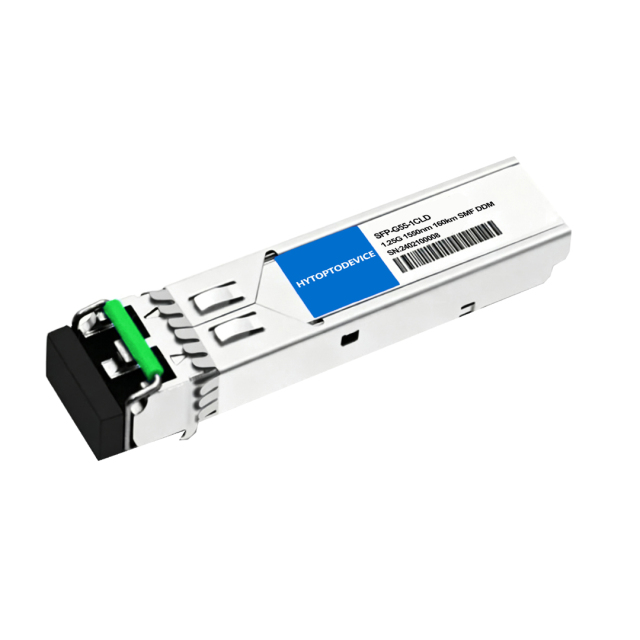
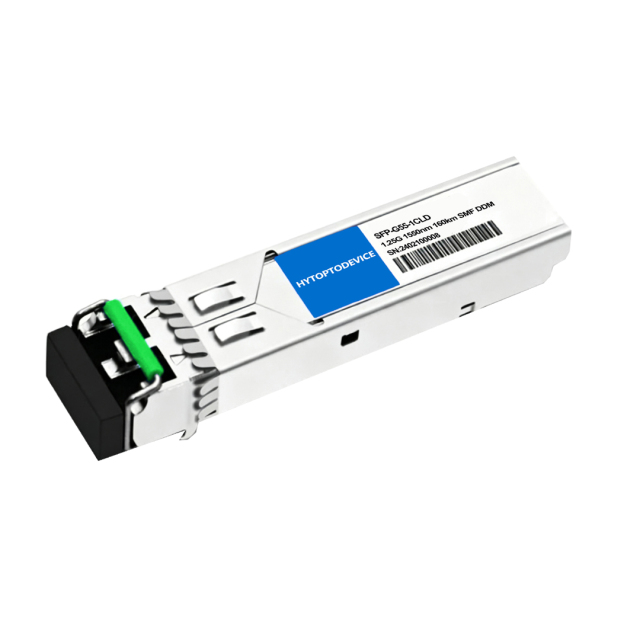
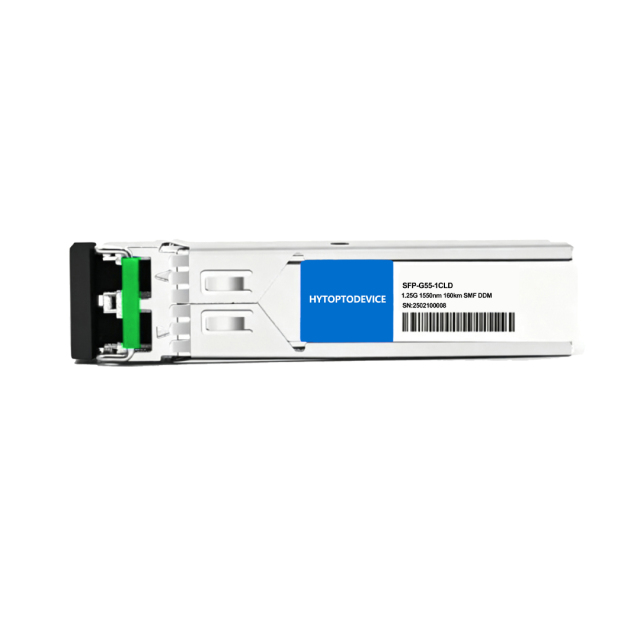
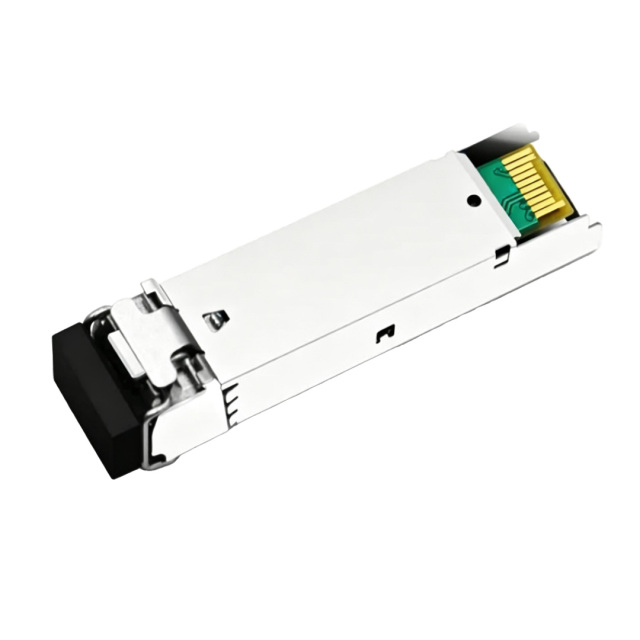
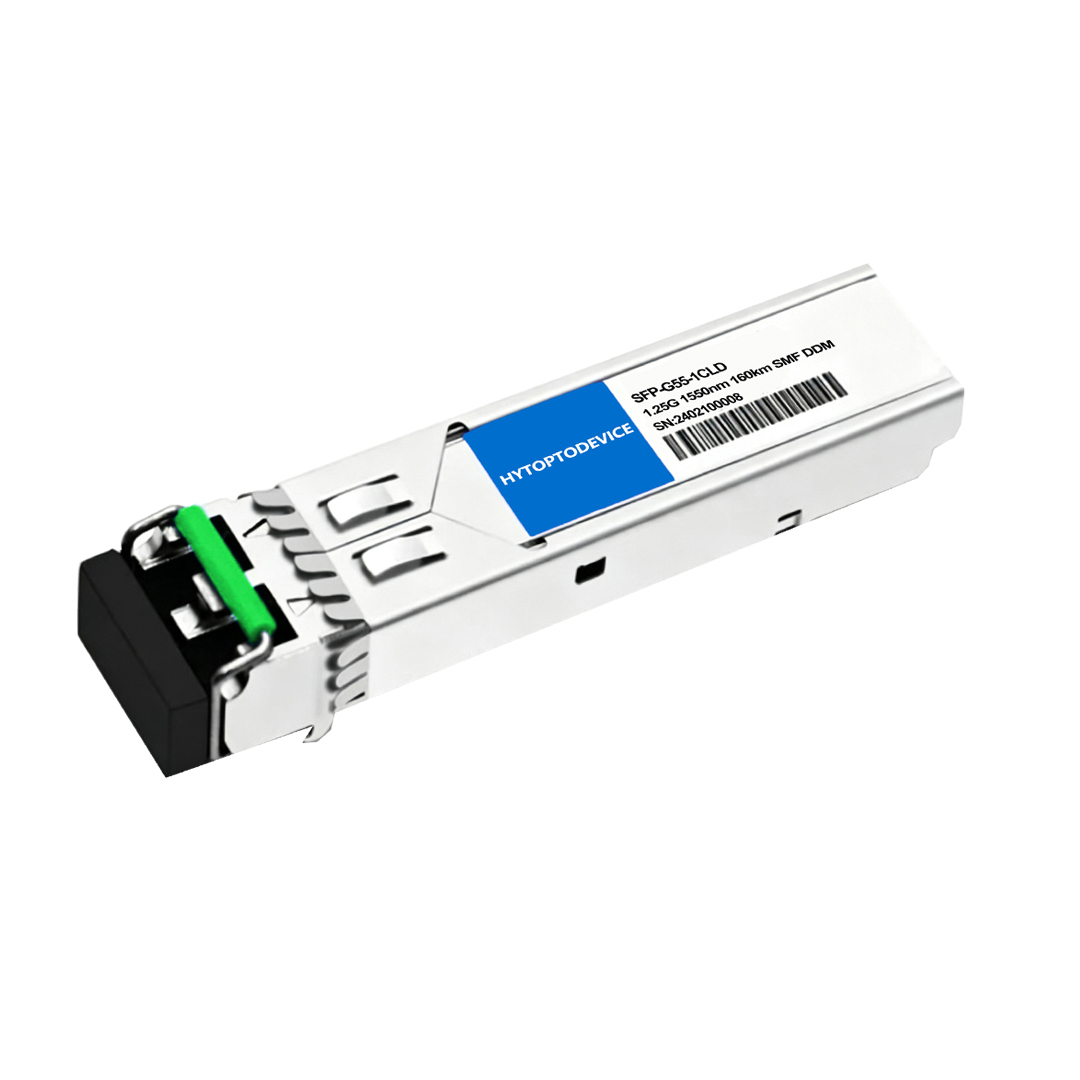
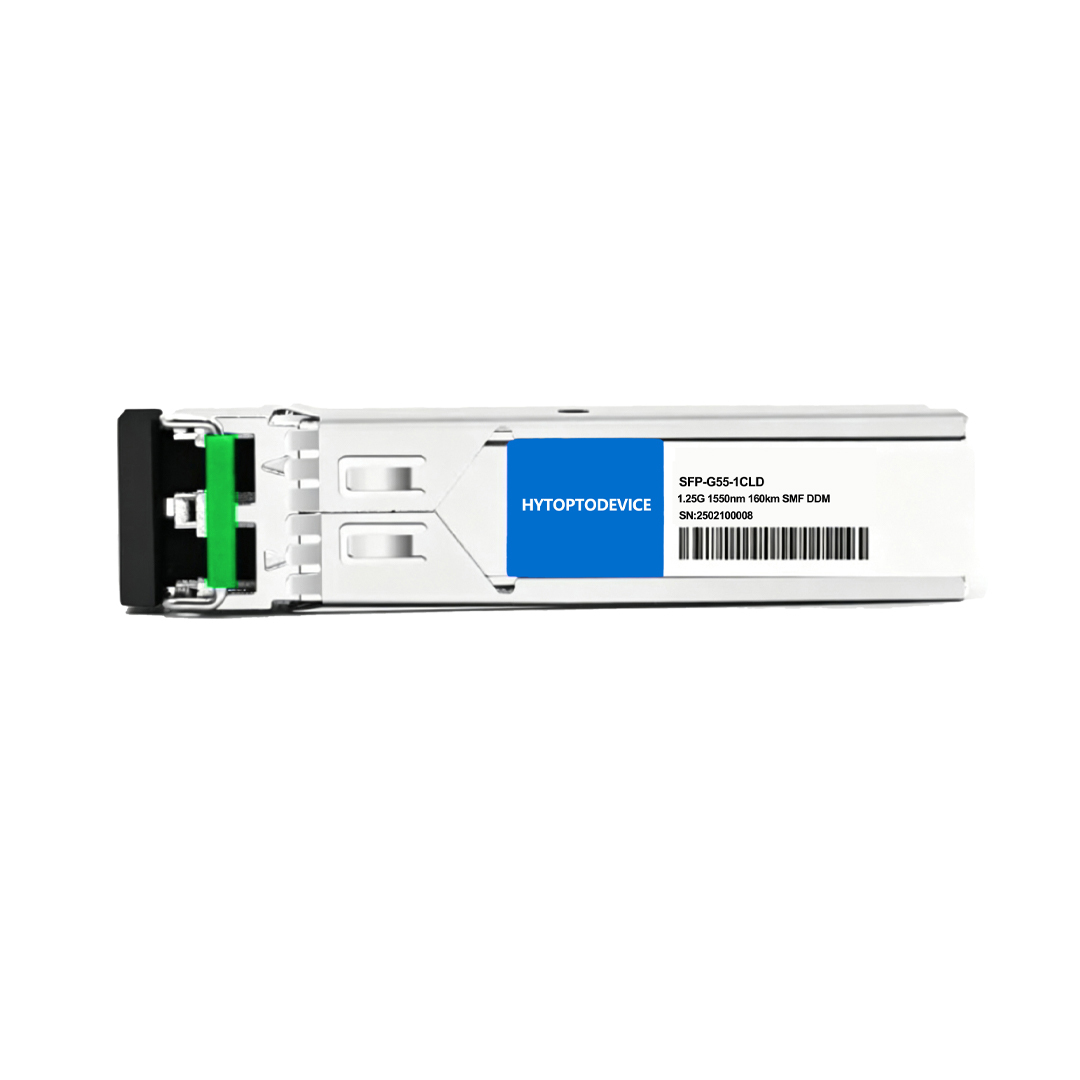
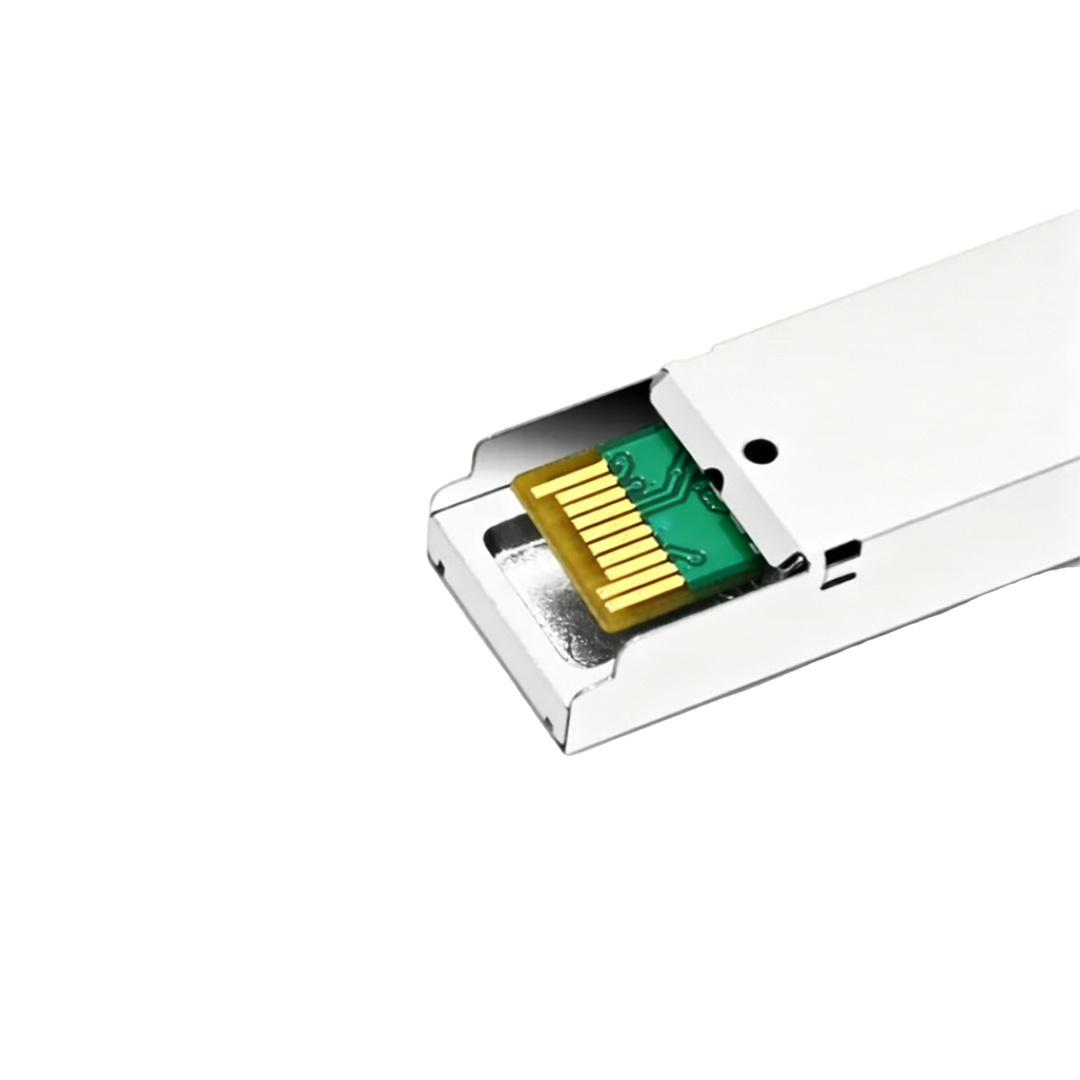
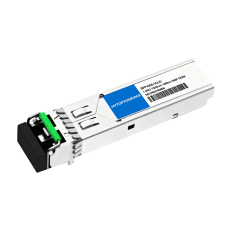
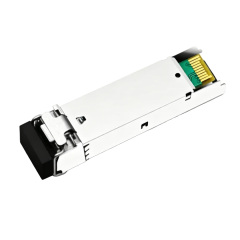
Q1: Can HYTOPTODEVICE 160km GLC-EZX-SM-160 sfp optical transceiver achieve full 160km transmission on standard G.652 single mode fiber?
A1: The 160km specification of our Cisco compatible sfp optical transceiver is a nominal industry rating based on standard 0.19–0.20 dB/km fiber attenuation. Stable full-distance transmission is not guaranteed in all scenarios. Poor fiber quality, excessive splicing joints and extra line loss will shorten the actual effective transmission distance, requiring on-site link budget calculation for accurate deployment.
Q2: What link budget is required for stable 160km long-haul transmission with EZX sfp optical transceiver?
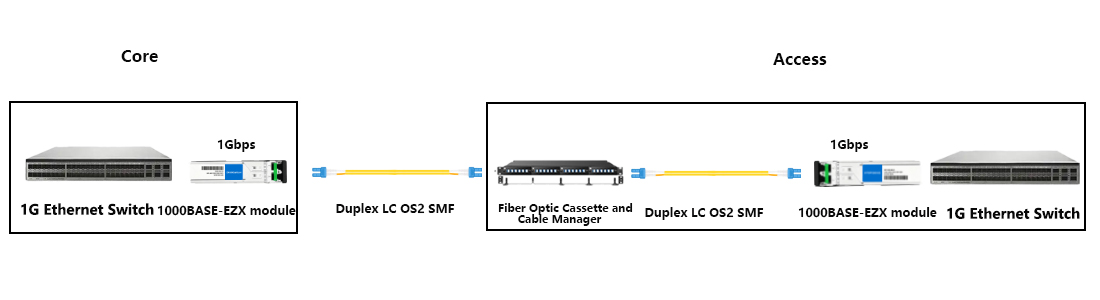
A2: To ensure error-free long-distance operation and reserve sufficient safety margin, our 160km sfp optical transceiver requires a minimum 34dB–36dB effective link budget. Matched with 0~+5 dBm transmit optical power and -30~-32 dBm high-sensitivity receiving performance, it fully offsets fiber attenuation and passive device insertion loss for reliable 160km links.
Q3: Is an optical attenuator mandatory for short-distance bench testing of 160km EZX transceiver?
A3: Yes, optical attenuators are essential for short-range testing of this ultra-long-reach sfp optical transceiver. Direct back-to-back connection without a 15–20dB attenuator will cause excessive optical power to impact the high-sensitivity APD receiver, resulting in irreversible hardware burnout and permanent module failure.
Q4: How much safety power margin is needed for aging-resistant 160km fiber links?
A4: For long-term stable operation of 160km long-haul networks deployed with our sfp optical transceiver, we recommend reserving a 3dB–5dB optical power safety margin. This buffer effectively offsets signal attenuation caused by fiber aging, later maintenance repairs and outdoor environmental changes, ensuring long-term zero-error transmission.
Q5: What laser type does HYTOPTODEVICE GLC-EZX-SM-160 transceiver adopt and why it matters for 160km links?
A5: Our 160km sfp optical transceiver adopts high-precision DFB/DFB-EA laser chips exclusively customized for ultra-long-haul transmission. Unlike ordinary FP lasers with wide spectral bandwidth and severe dispersion, DFB lasers feature narrow spectral width and stable wavelength, effectively suppressing signal dispersion distortion and ensuring stable 160km long-distance transmission quality.
Q6: Why does Cisco switch show Unknown Transceiver Type while the link stays up?
A6: This common compatible phenomenon occurs when the switch system cannot identify the private vendor ID stored in the module’s DOM/DDM EEPROM. Our GLC-EZX-SM-160 sfp optical transceiver maintains complete physical layer compatibility and normal data forwarding, so the link remains active despite the unrecognized vendor prompt.
Q7: Why do NMS systems generate false Rx power alarms on 160km EZX long-haul links?
A7: NMS false Rx power alarms are mainly caused by overly strict default threshold values preset in the module EEPROM. When the actual receiving power operates near the -30dBm critical threshold of this high-sensitivity sfp optical transceiver, the system will trigger sensitive early-warning logs without actual link faults.
Q8: What are the overheating risks for commercial-grade 160km sfp optical transceiver at high ambient temperature?
A8: When the operating environment exceeds 75℃, our commercial-grade 160km sfp optical transceiver will suffer laser wavelength drift, decreased transmit power and sharply increased bit error rate. Long-term overheating will lead to continuous packet loss and eventual long-haul link disconnection and failure.
Q9: How frequently should users clean fiber end faces for 160km ultra-long fiber links?
A9: For all deployment and maintenance operations of this high-power 160km sfp optical transceiver, fiber end faces must be cleaned every time the fiber connector is plugged and unplugged. Tiny dust particles will be permanently burned on the module lens by high optical power, causing irreversible signal attenuation and link loss.
Q10: Why are 160km EZX sfp optical transceivers more costly than 80km ZX modules?
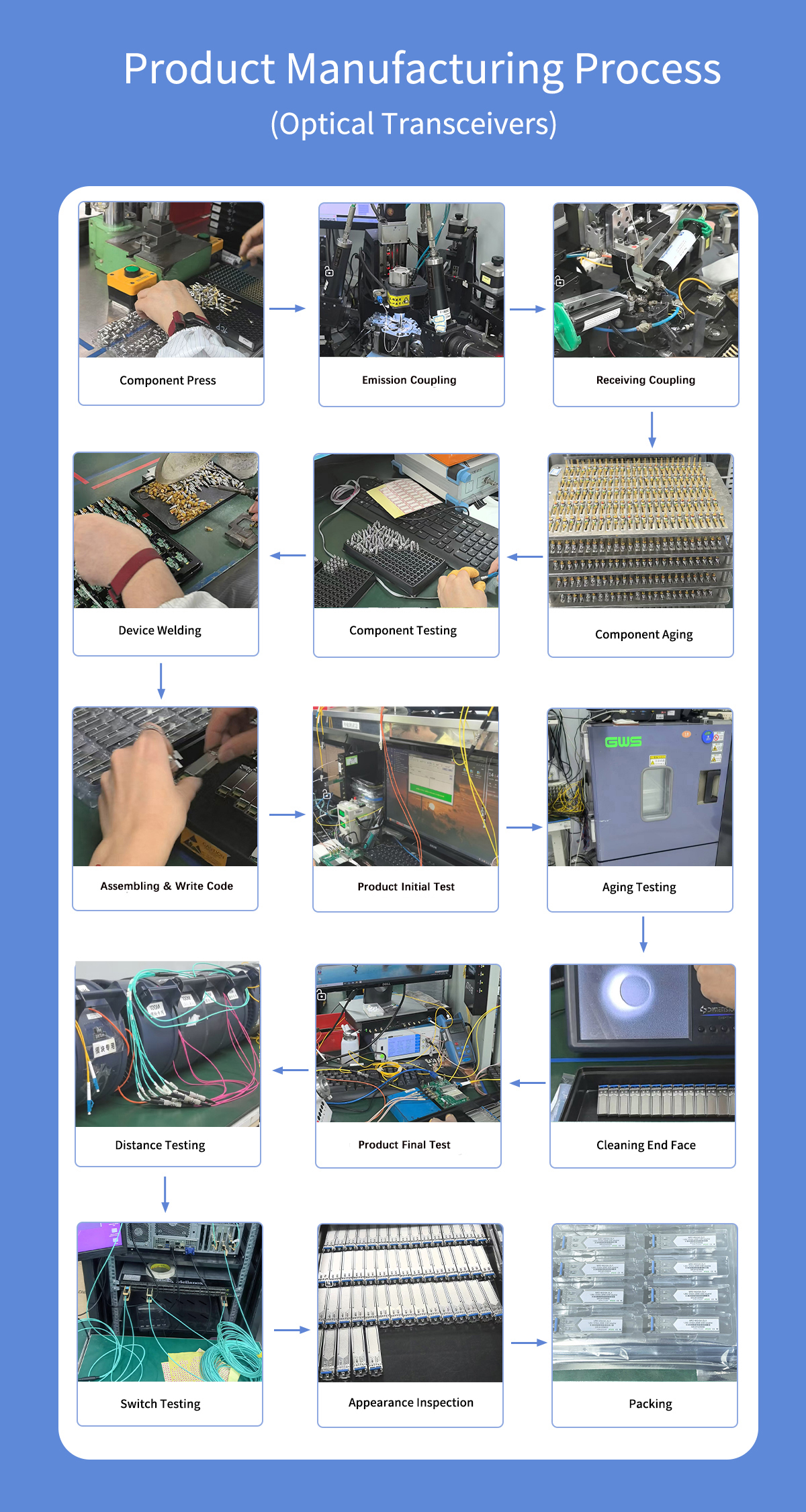
A10: HYTOPTODEVICE 160km ultra-long-reach sfp optical transceiver adopts high-cost low-yield DFB laser chips, high-sensitivity APD receivers and precise internal temperature control components. The strict production screening and high-precision calibration process greatly improve long-haul transmission stability, resulting in higher manufacturing cost than conventional 80km medium-reach modules.

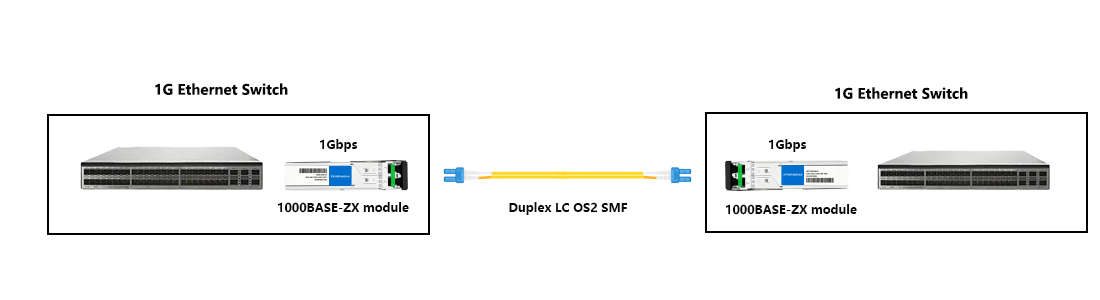
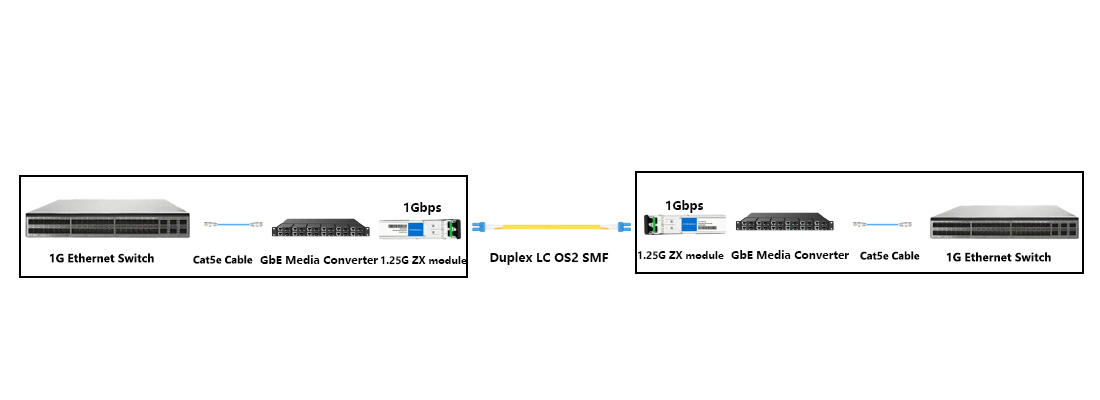 3.1G Full-Spectrum Structured Cabling System