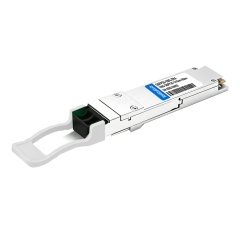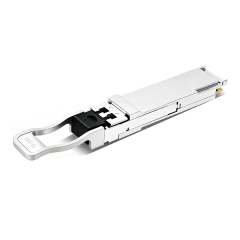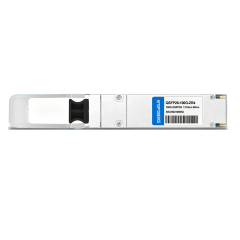
| NO. | Brand | Compatible P/N | Transceiver Type |
| 1 | Cisco | QSFP-100G-ZR4-S | |
| 2 | Cisco | QSFP-100G-ZR4-S-I | |
| 3 | Arista | QSFP-100G-ZR4 | |
| 4 | Ciena | XCVR-Q80V31 | |
| 5 | Juniper Networks | QSFP-100G-ZR4 | |
| 6 | H3C | QSFP-100G-ZR4-WDM1300 | |
| 7 | Generic | 100GBASE-ZR4 |
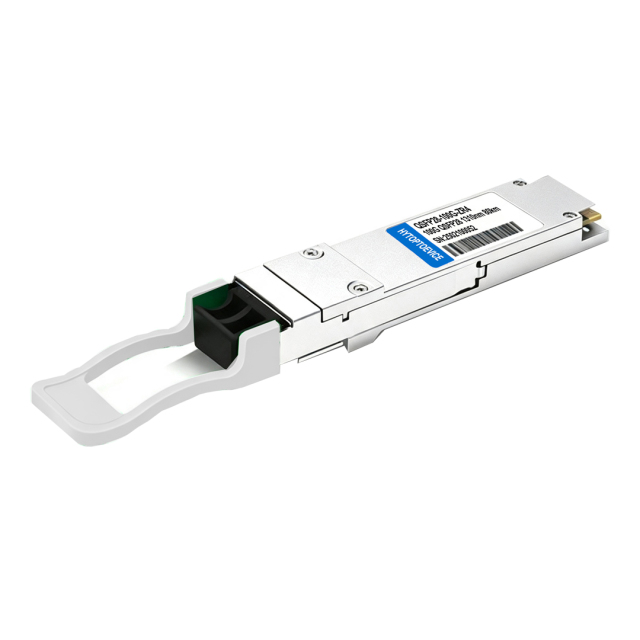
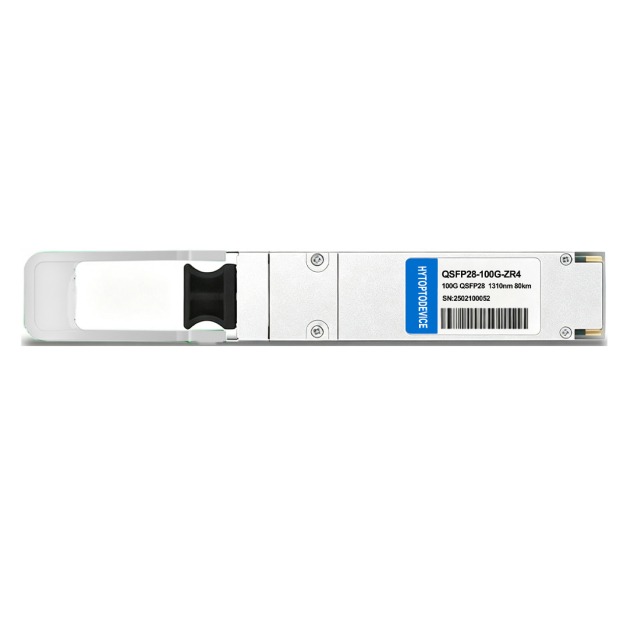
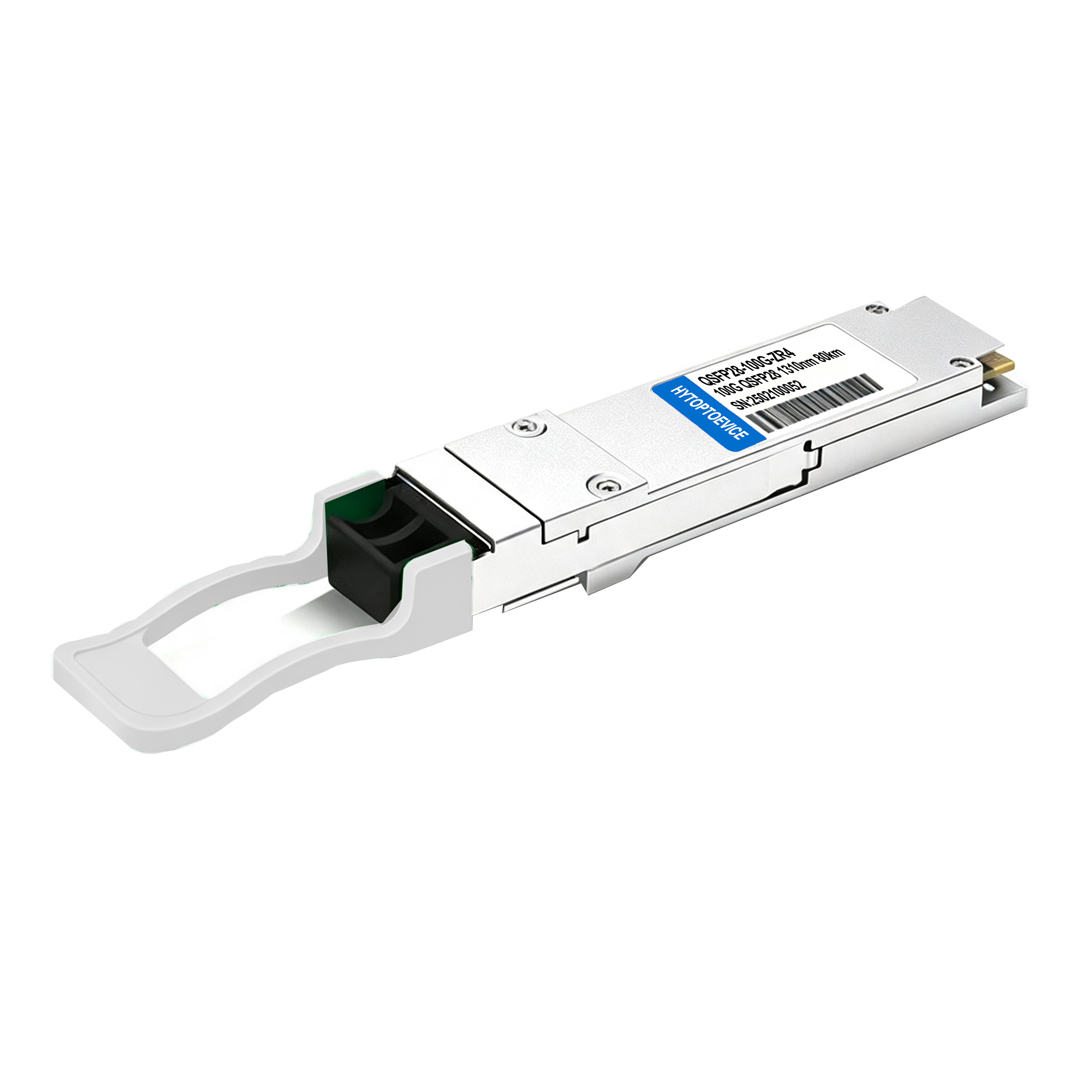
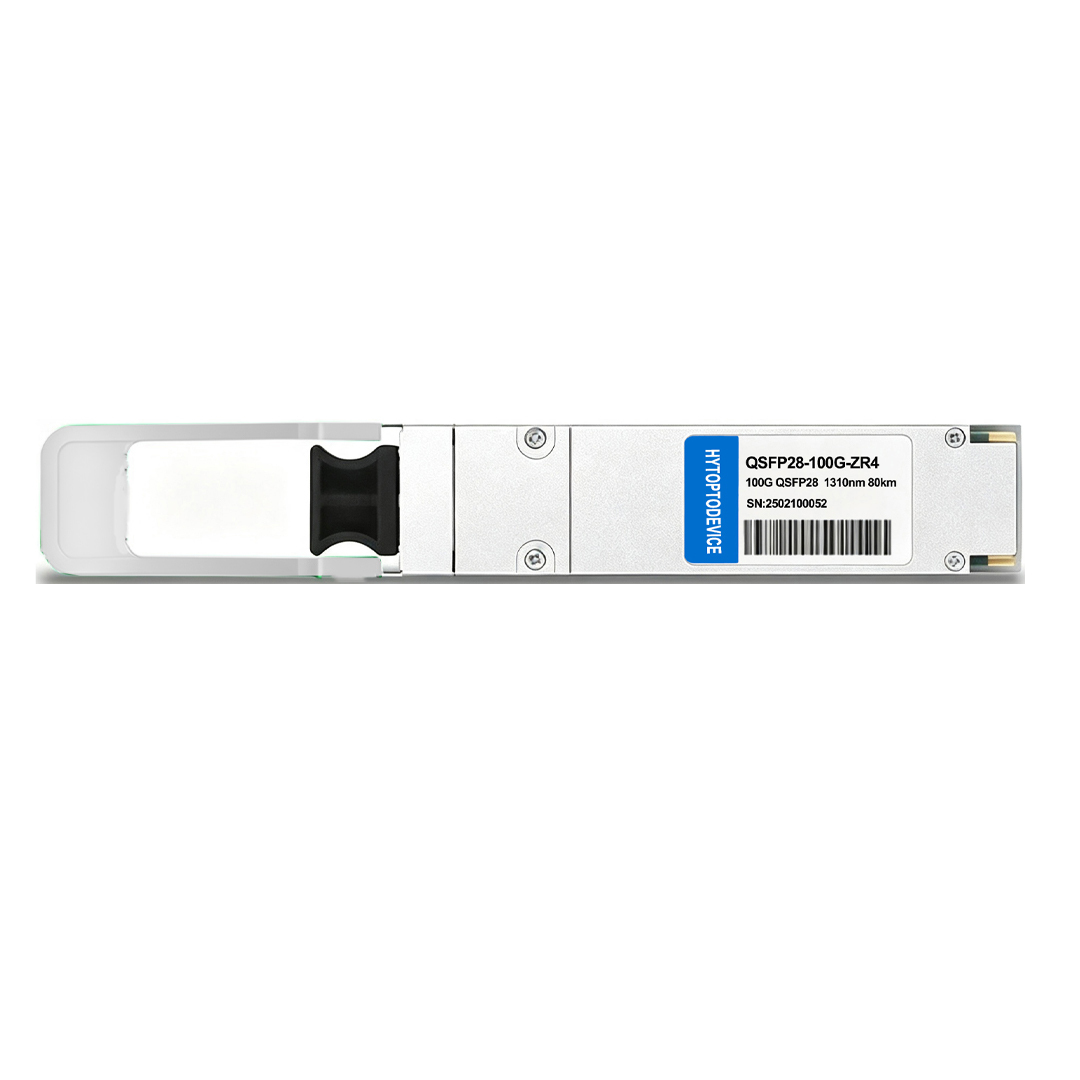
| Cisco Compatible | QSFP-100G-ZR4-S-I | Vendor Name | HYTOPTODEVICE |
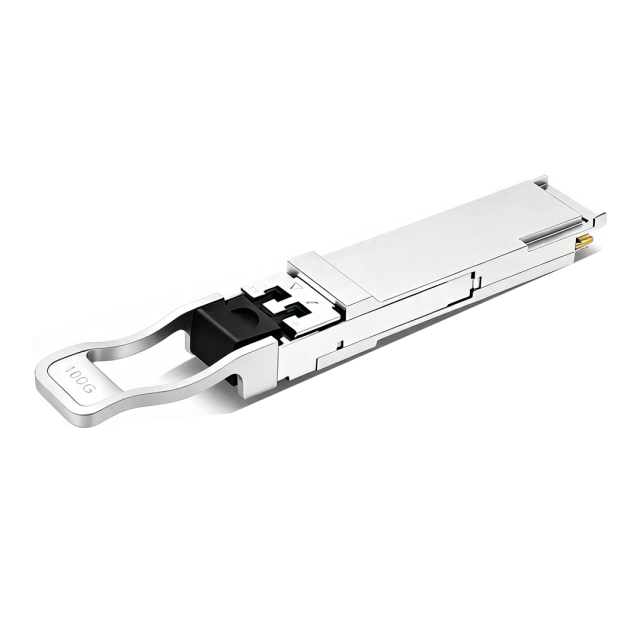
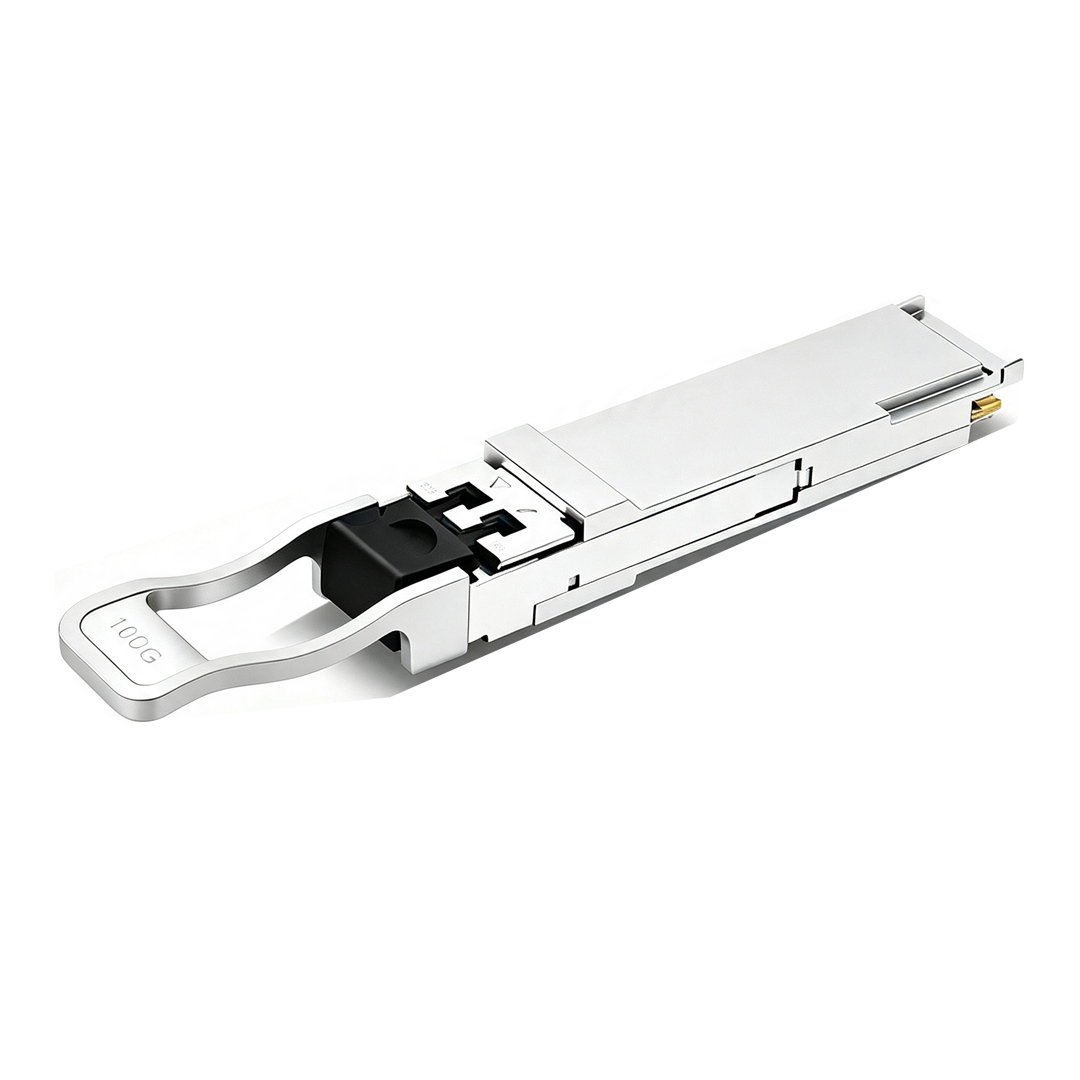
| Form Factor | QSFP28 | Max Data Rate | 103.125Gbps (4x 25.78Gbps) |
| Wavelength | 1295.56nm, 1300.05nm 1304.58nm, 1309.14nm |
Max Distance | 80km |
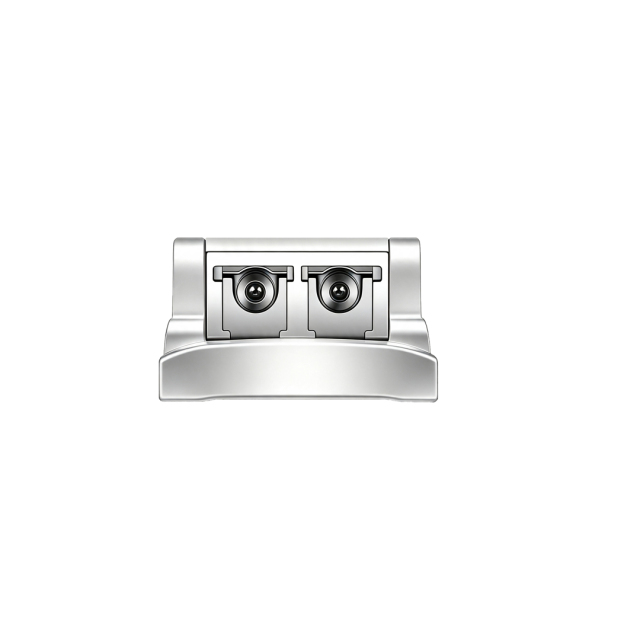
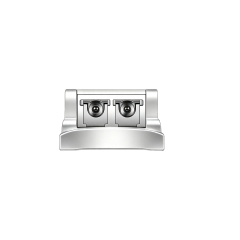
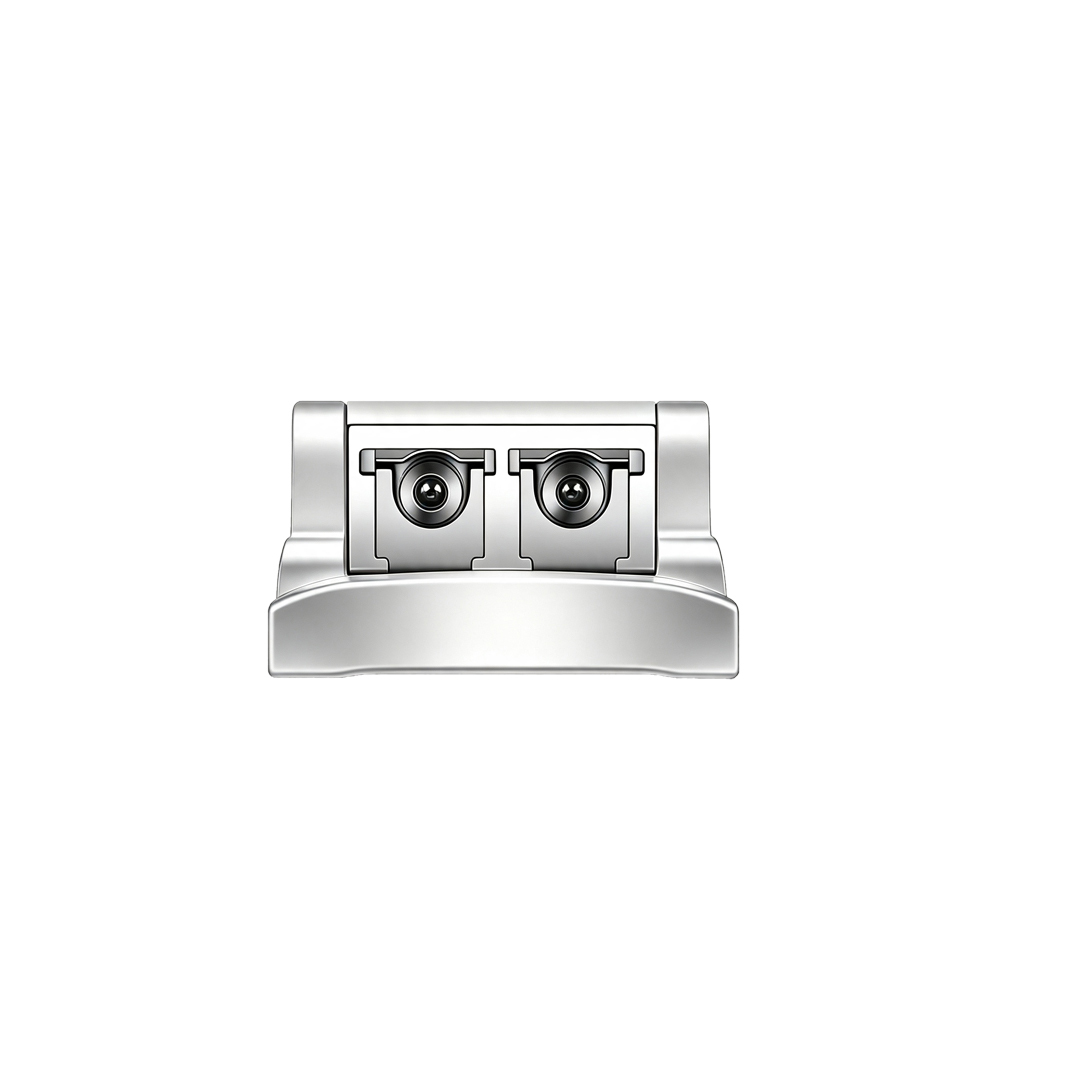
| Connector | Duplex LC/UPC | Transmitter Type | EML LWDM |
| Cable Type | SMF | Receiver Type | SOA + PIN |
| Modulation (Electrical) | 4x 25G-NRZ | TX Power | 1~6.5dBm |
| Power Consumption | < 5.5W | Receiver Sensitivity | < -28dBm |
| Protocols | QSFP28 MSA, SFF-8636, IEEE 802.3bm, CAUI-4 | Operation Temperature | -40 to 85°C (-40 to 185°F) |
Usage Guidelines & Best Practices
Fiber Choice: Works only with OS2 single-mode fiber. Multimode fiber is not compatible with this 1310nm LAN WDM module.
Optical Attenuator Required for Short Links: For testing or short‑distance connections (<15km), connect a 15dB–20dB optical attenuator to the RX port to prevent damaging the receiver.(15KM<Distance<35km,connect 10‑15dB optical attenuator),ensuring the received power between -28~-7dBm.
Cleanliness & Dust: Keep dust caps on whenever unattached. Clean fiber end-faces with a optical cleaning pen before insertion; dust causes over 80% of optical link failures.
Installation Specification: Hot-swap supported. Follow ESD anti-static procedures and keep LC connectors clean for stable links.
Operating Environment: -40°C–85°C Industrial temperature range. Ensure cabinet ventilation to avoid optical power attenuation from overheating.
Full Compatibility List & Supported Network Hardware
1. Supported Hardware & Firmware
This module adopts Cisco‑specific EEPROM, supporting zero‑alarm plug‑and‑play with official firmware. All products are strictly tested with full temperature burn‑in, fully compatible with the below Cisco hardware models:
• Cisco Catalyst 9000 Series Switches: C9300, C9500
• Cisco Nexus Data Center Switches: N9K‑C9332C, N9K‑C9364C, N9K‑C9504
• Cisco ASR Routers: ASR 1000‑X, ASR 9000 Series
• Universal Compatibility: All Cisco devices with standard QSFP28 ports supporting 100GBASE‑ZR4 protocol
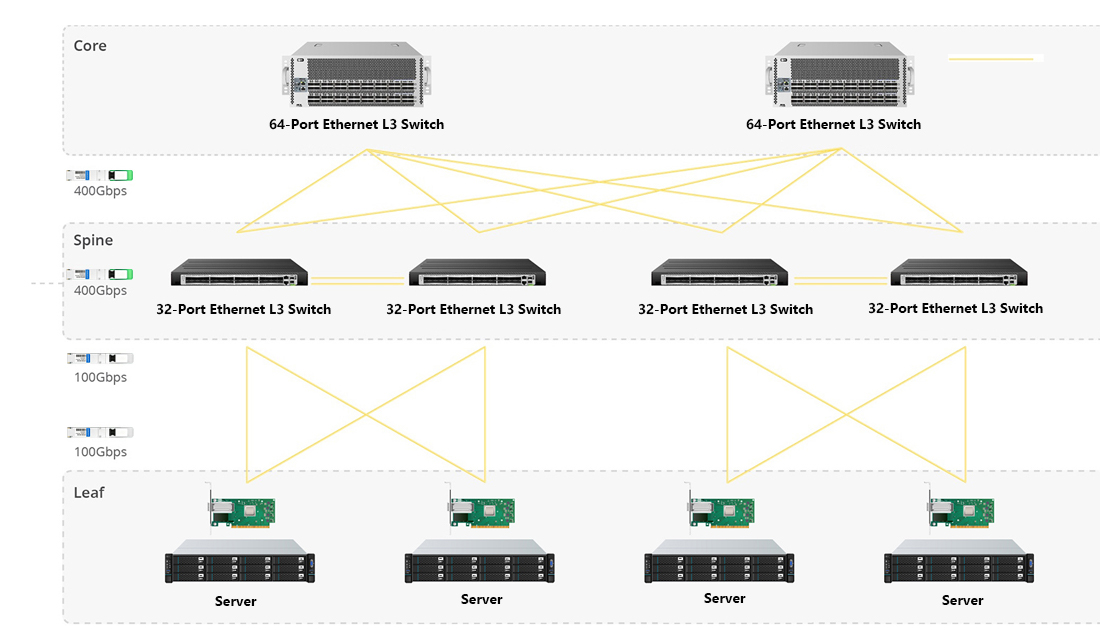
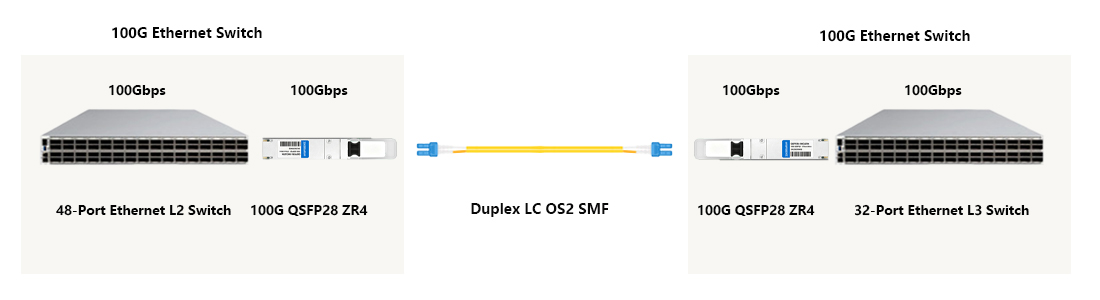
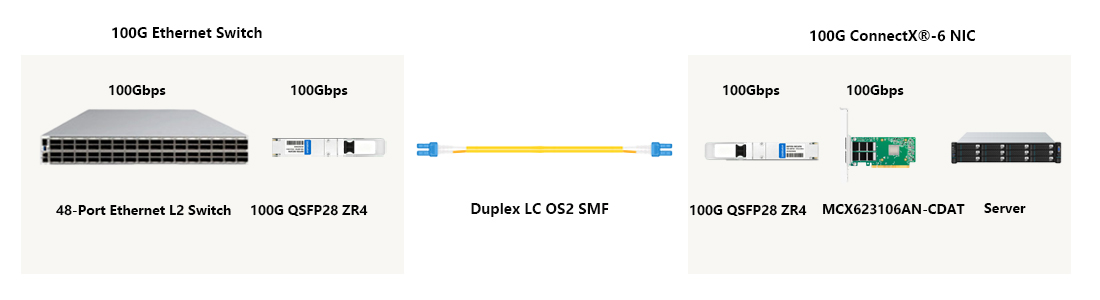
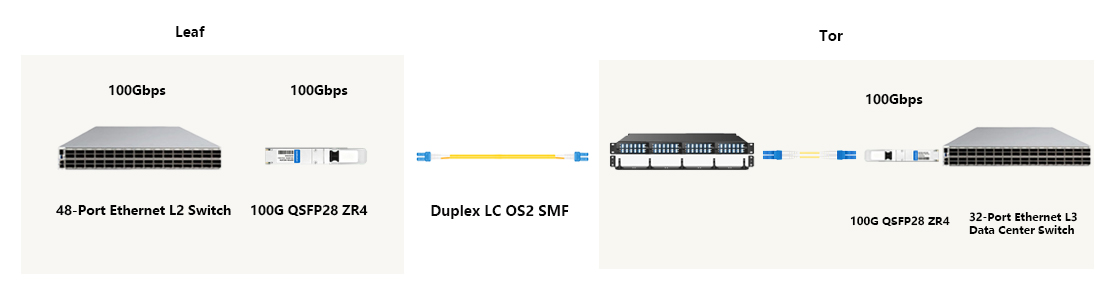


Q1: Will this Cisco QSFP‑100G‑ZR4‑S‑I compatible industrial QSFP28 ZR4 transceiver work on older 40G QSFP+ switch slots? A: It cannot establish valid connections inside QSFP+ 40G ports. This HYTOPTODEVICE industrial Cisco compatible ZR4 is fixed at 100Gbps line rate without rate negotiation downshift. Network system integrators must use native QSFP28 100G ports on Cisco Catalyst, Nexus or ASR platforms to achieve full 100GBASE‑ZR4 performance.
Q2: What is the power consumption difference between industrial and commercial 100GBASE‑ZR4 QSFP28 optical modules? A: Yes, there is a clear power budget difference. Our industrial 100G ZR4 module draws less than 5.5W, while the commercial grade variant consumes under 4.5W. This industrial model maintains stable performance across -40℃~+85℃ after full temperature burn‑in test, and works reliably only when RS‑FEC is enabled and received power is kept between ‑28 ~‑7dBm. Distributors can select proper SKUs based on cabinet power budget and site temperature conditions.
Q3: Can this Cisco compatible industrial 100GBASE‑ZR4 optic run on dual OS2 single‑mode fiber for long‑haul industrial campus backbone links? A: Yes, this HYTOPTODEVICE industrial QSFP28 ZR4 requires two OS2 single‑mode fiber cores for bidirectional 100G data transmission. LAN‑WDM four‑channel wavelengths are integrated within one transceiver. Procurement teams need to verify duplex fiber availability, RS‑FEC port support and optical power budget during site survey before bulk orders of these compatible industrial transceivers.
Q4: Can OM multimode fiber support this Cisco QSFP‑100G‑ZR4‑S‑I replacement industrial transceiver for long distance inter‑building DCI? A: Multimode fiber cannot meet the 80km transmission requirement. Even premium OM4 multimode suffers severe modal dispersion, limiting 100G transmission distance to just 100‑150 meters. HYTOPTODEVICE strongly recommends OS2 single‑mode fiber. Wholesalers may package fiber cables together with transceivers as complete industrial project kits.
Q5: Why use 1310nm LAN‑WDM wavelength grid for Cisco 80km industrial 100G metro DCI compatible transceivers? A: The 1295‑1309nm LAN‑WDM band has typical 0.22dB/km attenuation over OS2 fiber. HYTOPTODEVICE calibrates every laser channel on this grid, delivering stable optical budget for up to 80km links even with extreme temperature swings. System integrators avoid costly C‑band DWDM components for industrial metro and DCI deployments.
Q6: How should I choose optical attenuators for different short‑range fiber links when deploying Cisco compatible industrial QSFP28 ZR4 100G transceivers? A: Attenuators are required for links shorter than 25 km to hold received power within valid -28 ~ -7dBm working window. For lab testing or links under 10km, install a 15‑20dB duplex LC attenuator on RX port; for links from 10km to 25km, select a 10‑15dB duplex LC attenuator. Incorrect attenuation causes receiver overload or insufficient signal sensitivity and unstable links. HYTOPTODEVICE recommends all buyers strictly follow this power matching rule to protect receivers in industrial field installations.
Q7: How much chromatic dispersion margin is reserved on HYTOPTODEVICE Cisco‑compatible industrial 100GBASE‑ZR4 modules for real‑world 80km fiber routes? A: Each module is validated for OS2 chromatic dispersion up to 80km with RS‑FEC enabled and RX power controlled from ‑28 ~‑7dBm. Our factory thermal cycling aging test simulates extreme temperature and fiber dispersion conditions, keeping post‑FEC BER below 1E‑12. It provides extra tolerance for splice and connector losses often seen in leased fiber metro‑DCI industrial projects managed by integrators.
Q8: What risks can wrong received optical power bring to Cisco industrial 100G QSFP28 ZR4 replacement transceivers? A: Received power exceeding -7dBm will permanently damage the internal photodiode; signal will drop once input power falls below the -28dBm sensitivity threshold. HYTOPTODEVICE RMA records show around 60% of returned long‑reach 100G transceivers result from improper attenuation setup on short links. Distributors should pass the full optical power matching deployment guide to their end‑user engineering teams for industrial site rollouts.
Q9: What operating temperature range can HYTOPTODEVICE’s alternative industrial transceivers for Cisco QSFP‑100G‑ZR4‑S‑I endure? A: This industrial SKU operates reliably from -40℃ to +85℃ for uncontrolled field environments. Each HYTOPTODEVICE unit undergoes repeated high/low temperature burn‑in QA testing. Wholesalers handling outdoor cabinet, railway and factory automation bidding projects can rely on this ruggedized optic for non‑climate controlled hardware deployments.
Q10: Do HYTOPTODEVICE Cisco‑compatible industrial QSFP28 ZR4 transceivers meet MSA and IEEE standards for third‑party 100G industrial switch optics? A: Yes, all electrical, mechanical and optical parameters comply with IEEE and QSFP28 MSA SFF‑8665 specifications. Full DDM/DOM monitoring registers follow MSA memory map. This standard compliance allows system integrators to mix these optics with other MSA‑compliant transceivers inside multi‑vendor industrial network fabrics. Remember RS‑FEC is host dependent and RX power must stay between ‑28 ~‑7dBm.
Q11: What compliance documents are available with bulk orders of Cisco‑compatible industrial 100G QSFP28 ZR4 transceivers? A: Every bulk shipment comes with CE, FCC, RoHS certificates plus batch optical test reports including Tx power, receiver sensitivity and overload parameters. HYTOPTODEVICE provides complete document packages to support customs clearance and audit needs for carrier and industrial network projects. Global resellers can request additional declaration forms to satisfy regional import requirements.
Q12: What warranty and advanced replacement terms apply to bulk project orders of HYTOPTODEVICE Cisco compatible industrial 100G transceivers? A: Our standard factory warranty covers early production defects with fast advanced replacement support. Large metro‑DCI industrial projects by system integrators get priority stock reservation. Distributors with recurring quarterly procurement volumes can create dedicated support tickets to speed up RMA processing for their rugged network end sites.
Q13: What regular maintenance tasks should network operators perform on deployed industrial 80km 100GBASE‑ZR4 Cisco‑compatible transceivers? A: Visual inspection and insertion loss check every 6‑12 months is recommended. Dirty LC fiber end faces are the main cause of slow, intermittent link degradation. HYTOPTODEVICE recommends operators enable DDM power threshold alerts to continuously monitor RX power within ‑28 ~‑7dBm, paired with periodic RS‑FEC error counter checks as part of routine O&M workflows for industrial metro‑DCI backbone infrastructure.
Q14: Can HYTOPTODEVICE Cisco‑compatible industrial QSFP28 ZR4 modules maintain stable links over 50‑60km medium‑distance DCI connections? A: Yes, this module has sufficient optical margin for 50‑60km DCI links when RS‑FEC is enabled and RX power is kept in the -28 ~ -7dBm range. Our internal testing confirms error‑free transmission even with 3‑4dB total loss from splices and connectors, even under wide temperature fluctuations. This is a preferred choice for procurement teams managing geographically separated campus and industrial data center interconnection projects.
Q15: Are third‑party compatible industrial 100GBASE‑ZR4 QSFP28 transceivers suitable for carrier leased dark fiber metro DCI circuits using Cisco hardware? A: Yes, HYTOPTODEVICE MSA‑compliant industrial ZR4 works on standard OS2 leased dark fiber circuits, provided host RS‑FEC is turned on and received optical power is controlled within ‑28 ~‑7dBm. Our engineering team provides complimentary link budget calculation support for system integrator carrier and industrial customer bids. Always validate total fiber loss before deployment to avoid marginal link issues on operator‑supplied metro fiber routes.
Packaging & Custom OEM Solutions
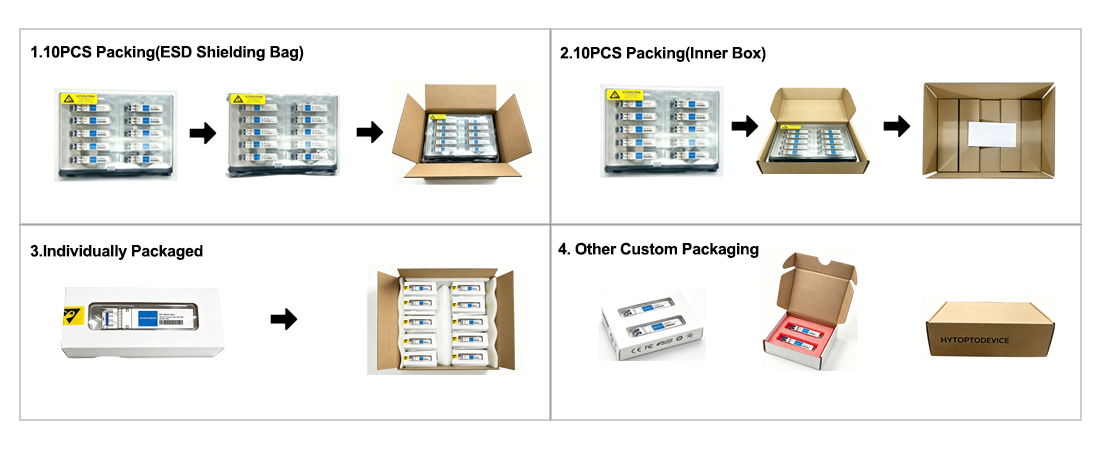
ESD Protection & Fast Shipping: Every module is sealed in an ESD-safe bag and ready for same-day dispatch from stock.
Custom OEM & Branding: We provide logo printing, private labeling, and custom packaging to help distributors and integrators build their brand—no factory investment required.
Why Network Engineers Choose HYTOPTODEVICE
HYTOPTODEVICE has supplied over 5000,000 optical transceiver modules to data centers, ISPs, and enterprise networks across 100+ countries since 2011. Every module undergoes a 72-hour burn-in test and full DDM/DOM validation before shipment.
“Phenomenal performance. We deployed 200 HYTOPTODEVICE SFP modules to replace Cisco OEMs in our backbone network. Result? Zero compatibility issues and a 60% reduction in costs. Highly recommended for mission-critical networks."— Senior Network Engineer, Regional Telecom, Australia
Quality Certification & Compliance
At HYTOPTODEVICE, our quality commitment is backed by industry-standard validations. From fiber optical transceiver manufacturing to final visual inspection, from IQC、IPQC、FQC to OQC, our processes ensure global compliance and reliability.
We adhere to rigorous standards for our SFP modules and network solutions:
ISO 9001: Certified quality management and production consistency.
CE & FCC: Fully compliant for seamless Global Market Access.
RoHS: Committed to environmental responsibility and hazardous material control.
Proven Reliability: Rigorous testing to reduce compliance risk and ensure safety.
Certified Quality. Global Standards. Guaranteed Performance.