.
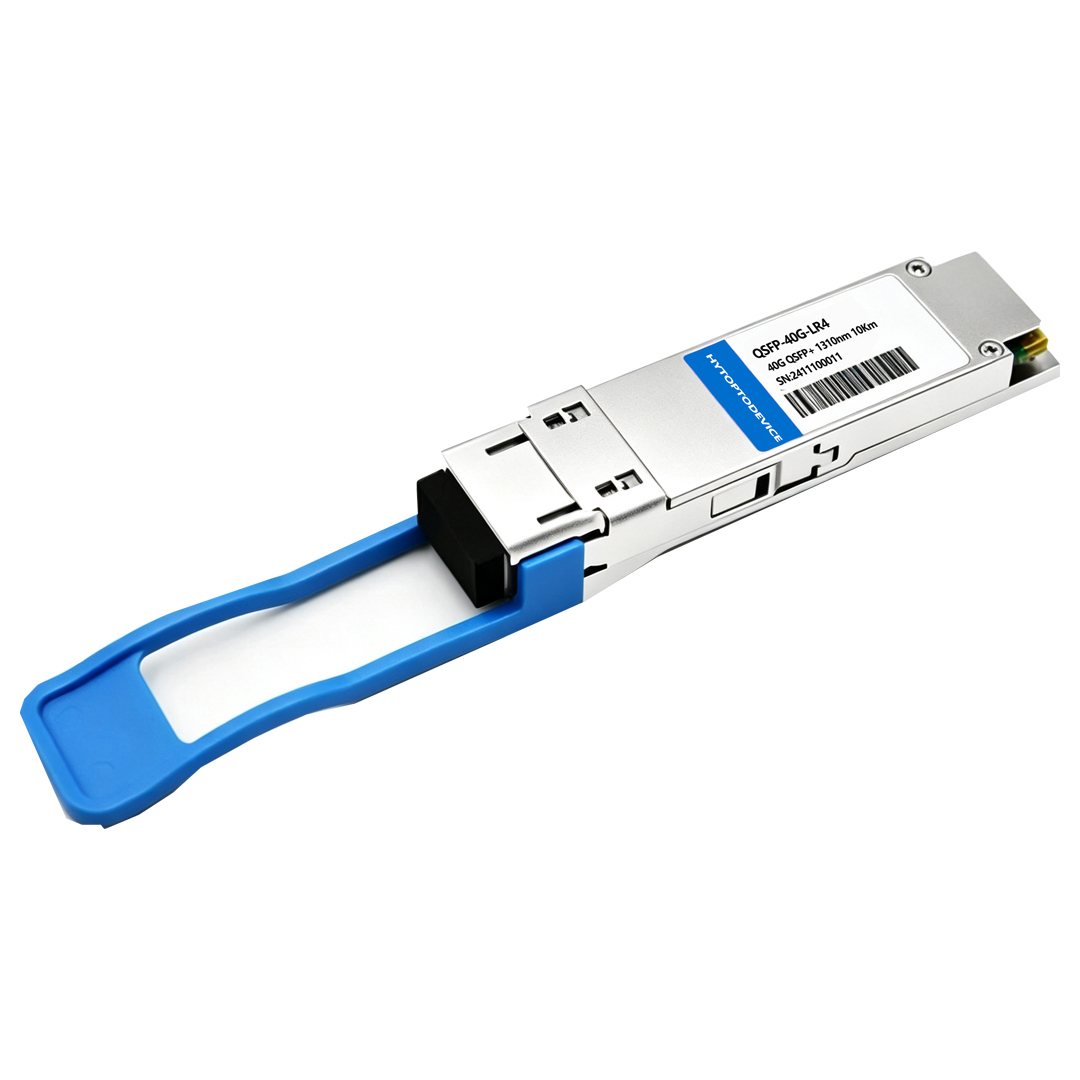
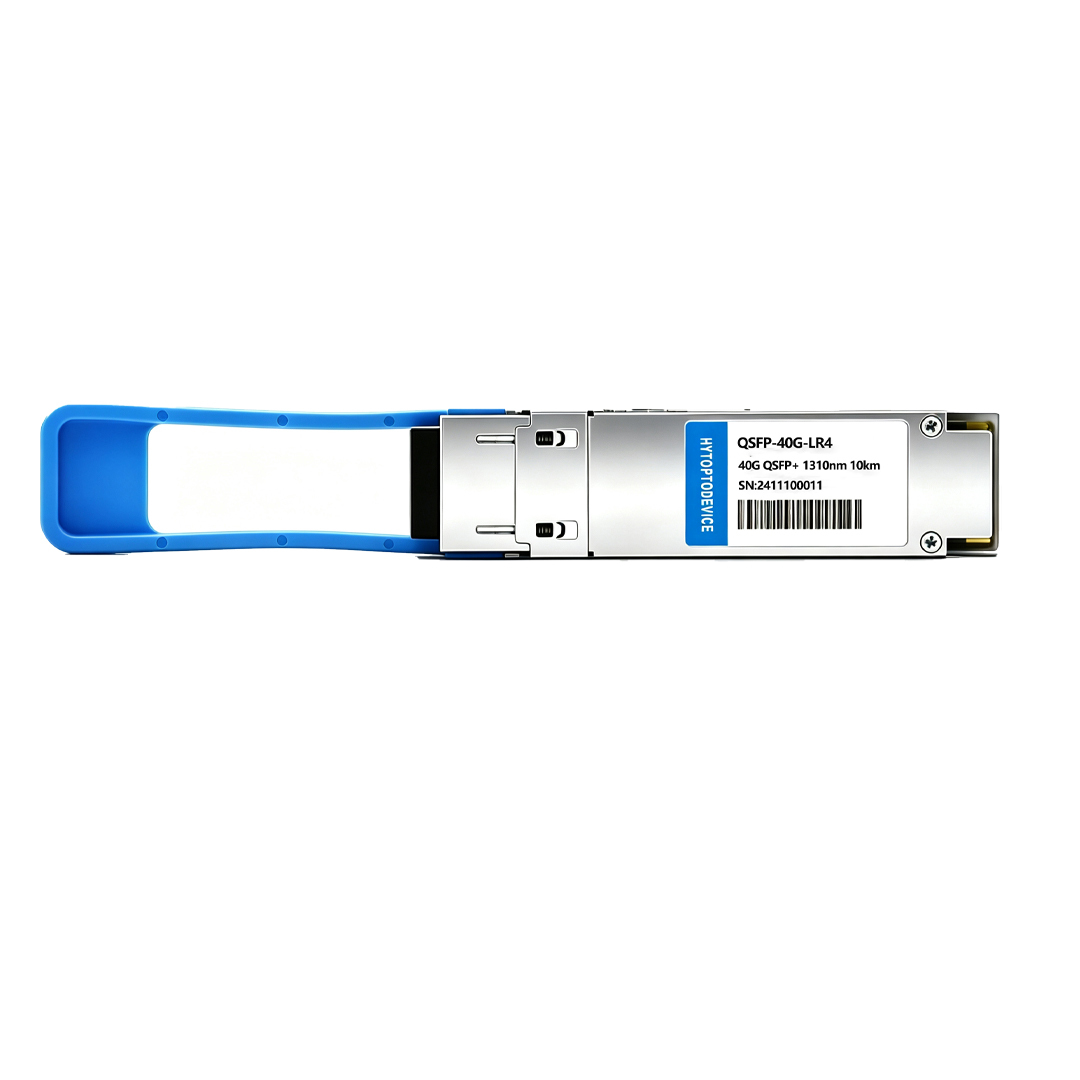
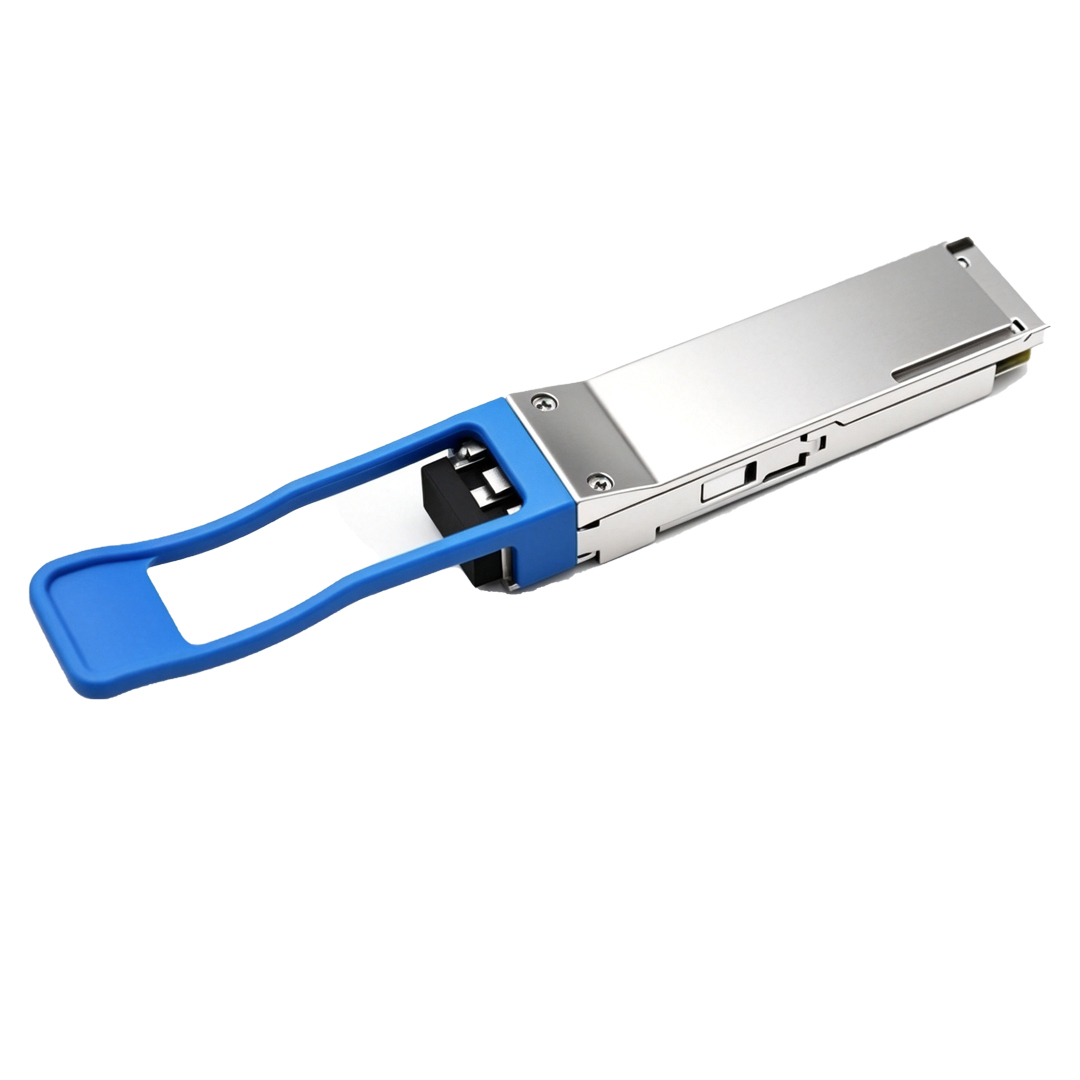
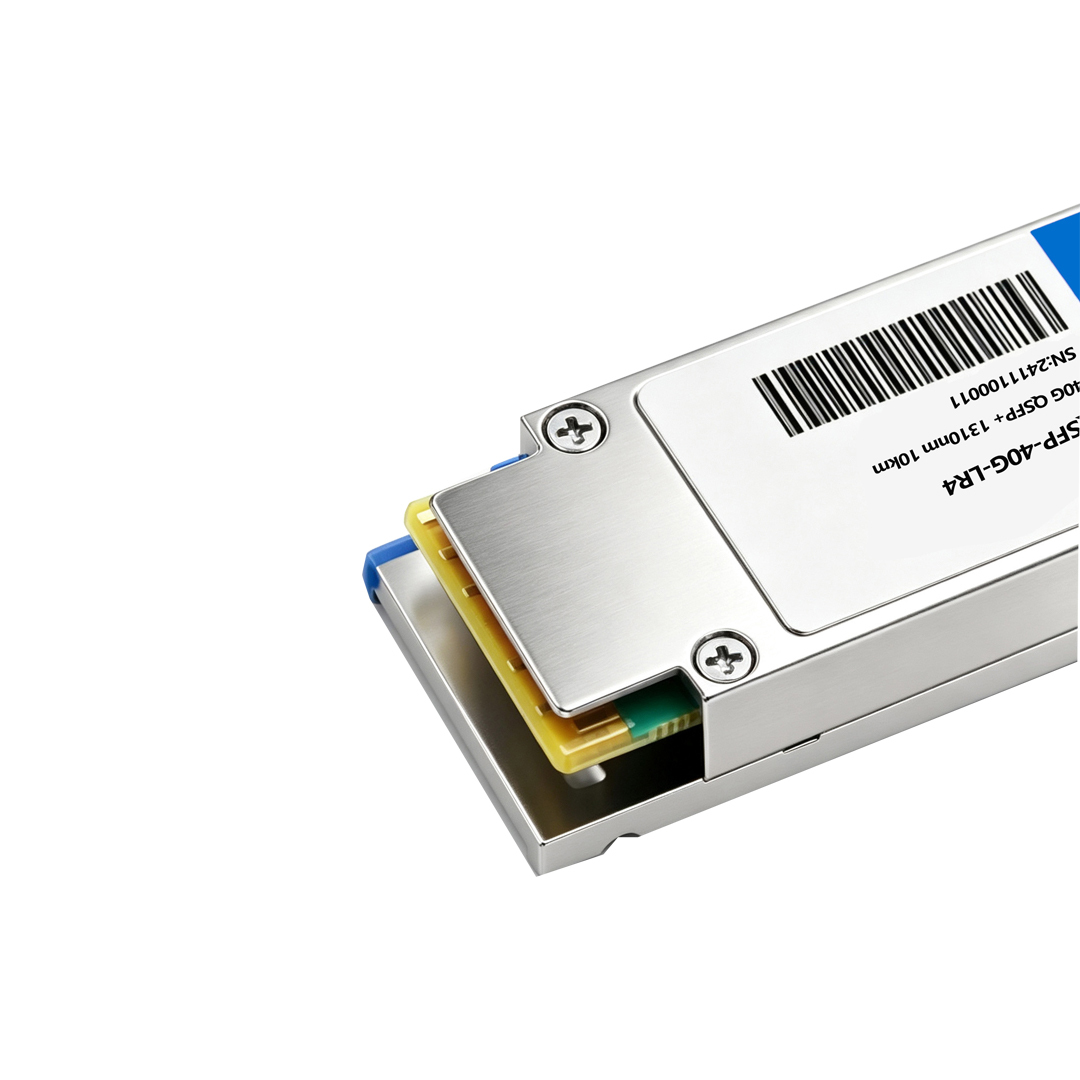
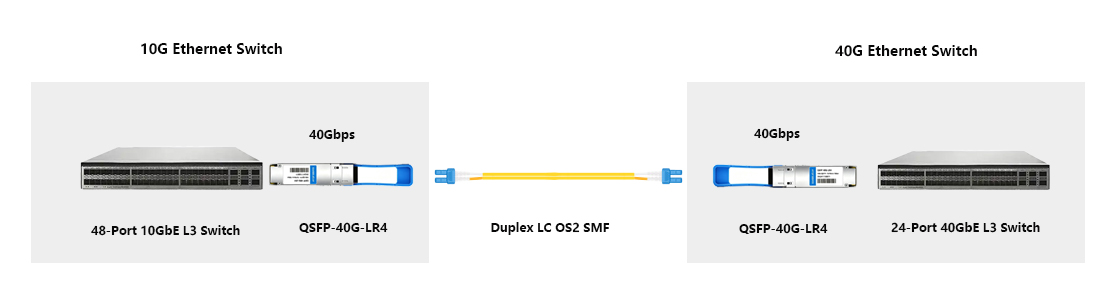
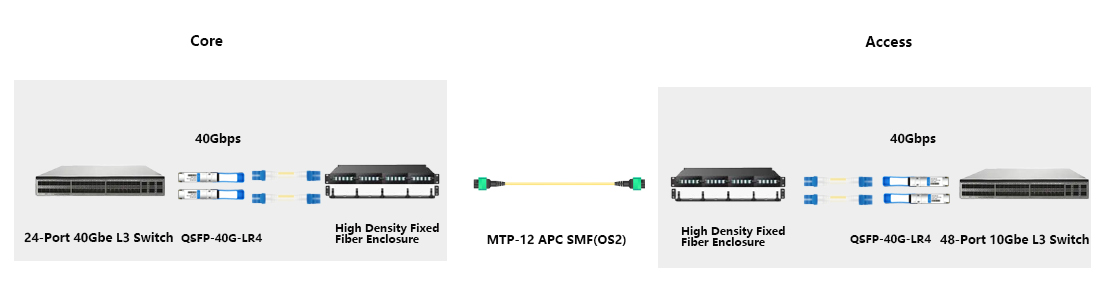
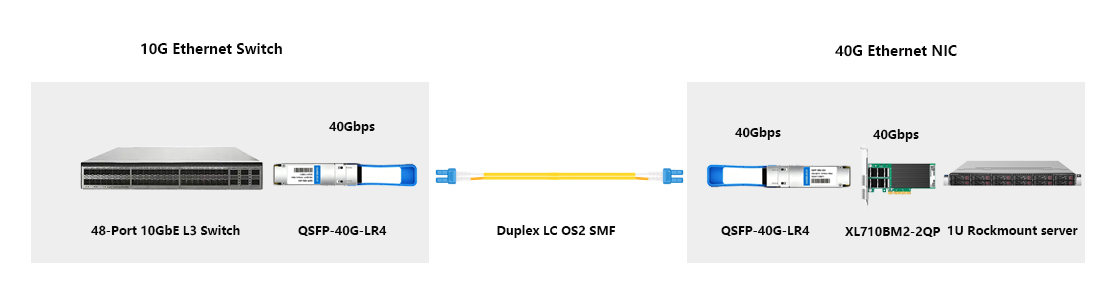
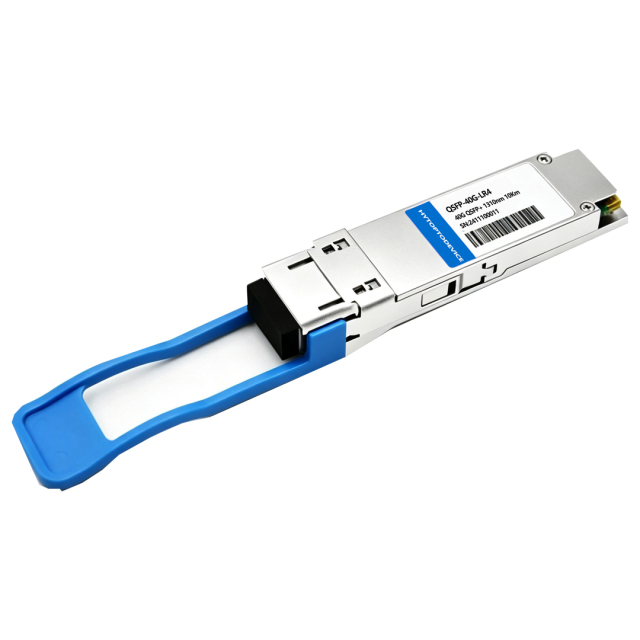
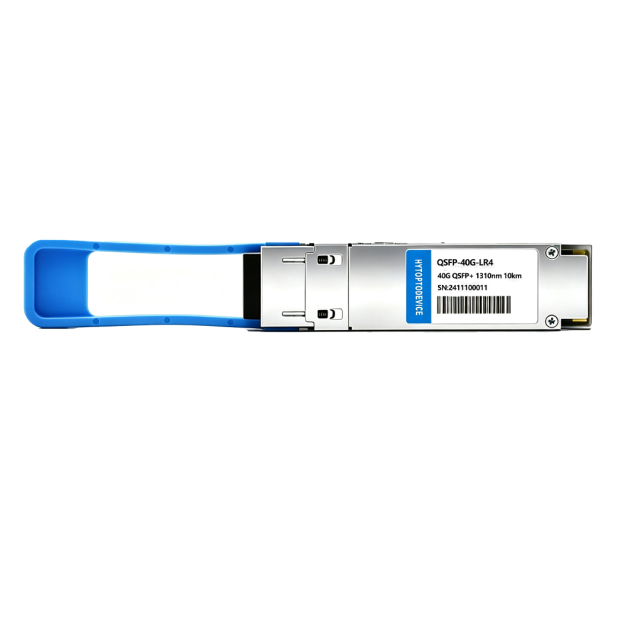
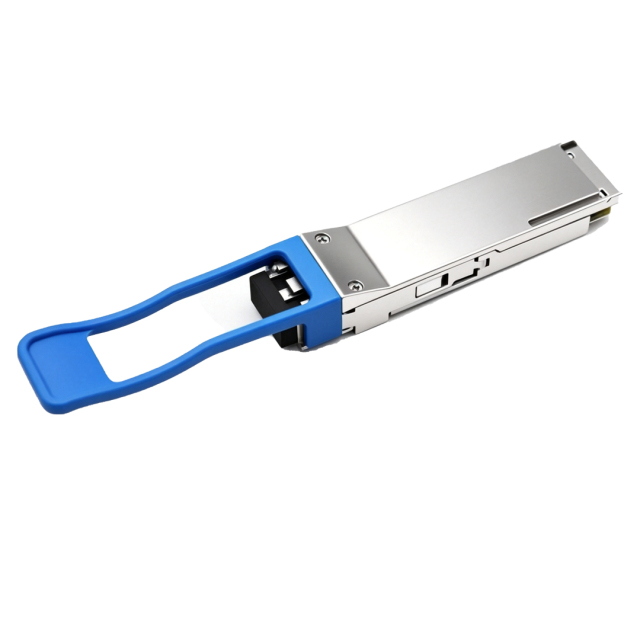
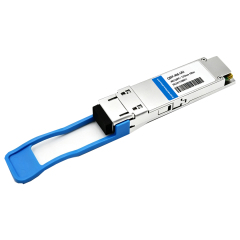
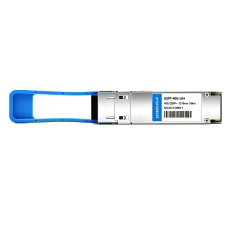
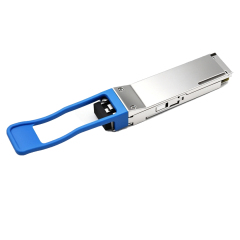
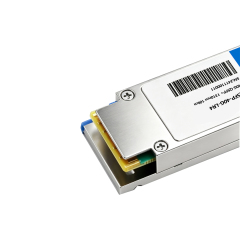
Speed without the overhead. The QSFP+ 40G 10KM transceiver delivers full 40G throughput into dense data center racks — drawing less power and occupying less space than you'd expect. High speed, high density, without the trade-offs.
Q1: As a buyer sourcing Huawei compatible optics, what triggers the unsupported transceiver alert after inserting this QSFP-40G-LR4 replacement module?
A: Vendor lock and mismatched EEPROM coding is the main cause. HYTOPTODEVICE, your trusted manufacturer and supplier, preflashes our QSFP-40G-LR4 compatible modules with Huawei specific codes. If the warning persists, verify port speed settings, upgrade VRP firmware, or reach out to us for free module recoding service.
Q2: For integrators building multi-vendor networks, can I pair 40G LR4 transceivers from different manufacturers on two ends of the same fiber span?
A: Cross-brand interoperability is fully supported for standard 40GBASE-LR4 links. MSA-defined specifications allow any compliant 40GBASE-LR4 transceivers to work together over OS2 single-mode fiber regardless of brand. HYTOPTODEVICE’s 40G QSFP+ LR4 modules follow these standards and can interoperate smoothly with other OEM optics for your integration project.
Q3: Foreign trade procurement planner question, can this 40G QSFP+ LR4 transceiver directly operate alongside existing 10G SFP+ ports without extra hardware?
A: Direct simple cable connection is not feasible for 10G SFP+ infrastructure. The four 10G sub-channels of this 40G LR4 module share one duplex fiber pair through CWDM wavelength multiplexing. 4×10G breakout requires CWDM mux/demux hardware or active converters instead of passive fan-out cables when you source HYTOPTODEVICE Huawei compatible 40G QSFP+ LR4 modules.
Q4: Wholesale distributor checking power budget, what power draw should I expect for this Huawei QSFP-40G-LR4 compatible optical transceiver?
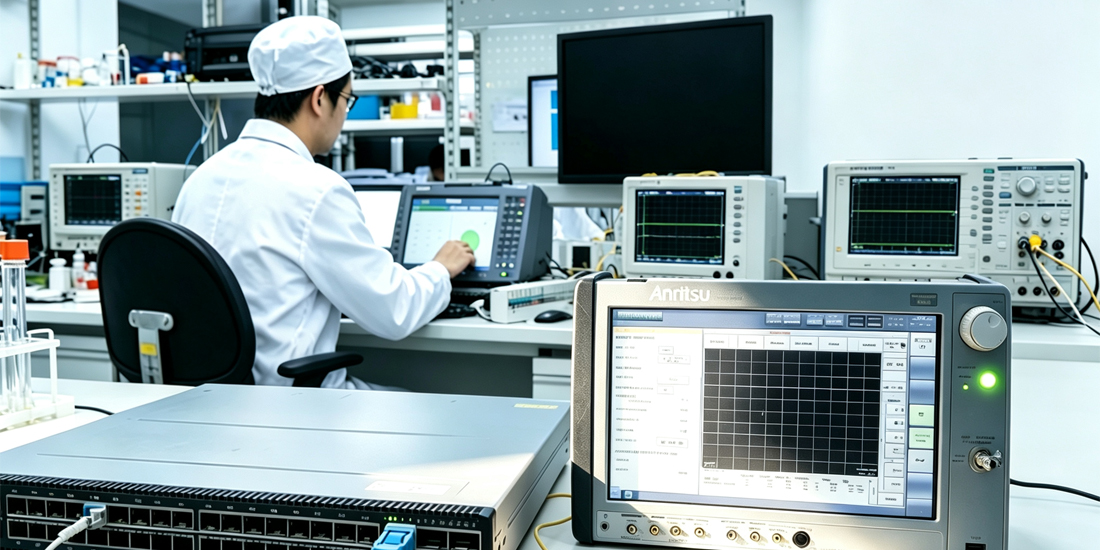
A: Typical power draw sits between 2.0–3.0W with MSA maximum rated at 3.5W. The higher transmit power required for 10km single-mode transmission makes power consumption slightly higher than IR4 variants. All HYTOPTODEVICE 40G QSFP+ LR4 modules pass power consumption testing before shipment for bulk wholesale orders.
Q5: Buyers calculating optical link budget, how much insertion loss allowance needs to be reserved for 10km 40GBASE-LR4 fiber links using HYTOPTODEVICE optics?
A: 40GBASE-LR4 standard supports maximum 2.6dB channel insertion loss. At 10km, chromatic dispersion stays within acceptable tolerance, so link loss from connectors, splices and patch panels is the main limiting factor. HYTOPTODEVICE’s Huawei compatible 40G QSFP+ LR4 modules are fully tested to work within this link budget for your procurement project.
Q6: System integrators verifying monitoring functions, does this Huawei compatible 40G QSFP+ LR4 support real-time per-lane optical power monitoring via DOM?
A: Yes, per-lane optical power monitoring is fully available via DDM/DOM function. The Huawei VRP CLI can read TX and RX power for all four CWDM wavelengths separately. This feature helps network engineers quickly identify weak signal lanes when deploying HYTOPTODEVICE Huawei QSFP-40G-LR4 compatible transceivers for your integration project.
Q7: Buyers comparing cabling options for 10km links, what advantages does LR4 optical transceiver have versus DAC and AOC assemblies?
A: LR4 is the correct choice for single-mode data center and metro links up to 10km. DAC cables only support very short distances of a few meters, while AOC products rely on multimode fiber and have fixed cable lengths. HYTOPTODEVICE 40G QSFP+ LR4 modules deliver flexible long-distance single-mode connectivity for bulk wholesale and foreign trade procurement.
Q8: Distributors designing fiber plant layout, what insertion loss value should I estimate for LC patch panels and field splices in a 40G LR4 10km fiber system?
A: Budget 0.3–0.5dB loss for each mated LC connector pair or each fiber splice. With only 2.6dB total available link budget for 40GBASE-LR4, dirty or damaged LC connectors will rapidly consume your margin. HYTOPTODEVICE recommends inspecting all fiber terminations before installing our 40G QSFP+ LR4 modules for your wholesale project.
Q9: Foreign trade buyers preparing export documentation, what compliance certificates can HYTOPTODEVICE provide for bulk shipments of these Huawei compatible 40G transceivers?
A: Our optical modules come with full global compliance certifications including CE, FCC, RoHS and REACH under ISO9001 controlled manufacturing. We can provide certificate copies upon request before buyers confirm bulk procurement of HYTOPTODEVICE 40G QSFP+ LR4 modules.
Q10: Integrators performing on-site installation, are HYTOPTODEVICE 40G QSFP+ LR4 optics protected against ESD damage during hot swapping on Huawei switches?
A: Yes, our modules include built-in ESD protection and ship inside anti-static packaging for safe handling. They support hot-swap operation on Huawei switches, but operators must ground themselves before touching HYTOPTODEVICE 40G QSFP+ LR4 transceivers to avoid static damage during your deployment.
Q11: Wholesale buyers looking for after-sales terms, what warranty and RMA process does HYTOPTODEVICE offer for DOA 40G QSFP+ LR4 modules after bulk delivery?
A: We provide free replacement for DOA units within our 30-day warranty window. Buyers should preserve original packaging and prepare test screenshots to speed up RMA processing. HYTOPTODEVICE maintains a streamlined RMA workflow for overseas bulk purchasers and distributors of 40G QSFP+ LR4 transceivers.
Q12: Importers searching for reliable optic manufacturer, can I eliminate unexpected customs fees and import taxes when ordering directly from HYTOPTODEVICE factory?
A: Import duties and taxes change based on destination country and agreed Incoterms. Request a DDP quotation from HYTOPTODEVICE to get fixed all-in delivered pricing and eliminate unexpected customs charges for your bulk wholesale procurement.
Q13: System integrators troubleshooting link failures, what steps should I follow if the fiber connection drops after installing HYTOPTODEVICE Huawei QSFP-40G-LR4 compatible transceiver?
A: Follow this ordered troubleshooting checklist to restore your link. Check module seating, clean LC connectors, confirm correct duplex TX/RX orientation, verify OS2 single-mode fiber, validate distance, calculate total insertion loss and review per-lane DDM readings on the Huawei VRP system when deploying HYTOPTODEVICE 40G QSFP+ LR4 modules for your project.
Q14: Network buyers checking diagnostic features, which CLI commands pull DOM monitoring data for HYTOPTODEVICE 40G QSFP+ LR4 modules running on Huawei switches?
A: Huawei VRP CLI commands show interface transceiver or show optics retrieve DOM diagnostic data. These commands display per-wavelength transmit/receive optical power, temperature, supply voltage and alarm status for HYTOPTODEVICE 40G QSFP+ LR4 transceivers installed on Huawei QSFP+ ports.
Q15: OEM buyers needing custom branding, can overseas customers get private label service with flexible MOQ for bulk orders of HYTOPTODEVICE 40G QSFP+ LR4 transceivers?
A: Custom labels, neutral export packaging and OEM branding are available for bulk transceiver orders with flexible MOQ. Buyers need to confirm artwork specifications, minimum MOQ and production lead time before placing OEM procurement of HYTOPTODEVICE 40G QSFP+ LR4 modules.
Q16: Global buyers sourcing from overseas manufacturer, what export licensing rules apply when importing HYTOPTODEVICE 40G QSFP+ LR4 transceivers overseas?
A: 40G LR4 optical modules generally have no strict export licensing requirements for global shipment. Importers still need to verify local import duty rules, RoHS compliance and regional telecom certification requirements for your target country before importing HYTOPTODEVICE 40G QSFP+ LR4 transceivers. Our products are exported to more than 60 countries across all continents worldwide, you may contact us for detailed consultation.