HYTOPTODEVICE 400G QSFP-DD PLR4 acts as a precise 1:1 drop-in replacement for Dell 400G-Q56-DD-LDR4. It is fully optimized for Dell OS10 powered PowerSwitch networks. This PAM4 parallel single-mode module delivers stable 10km long-reach transmission at 1310nm over standard OS2 single-mode fiber.
It adopts four independent 100G optical lanes and a standard MPO-12 APC interface. No CWDM wavelength multiplexing is required. This design simplifies high-density MPO structured cabling and reduces on-site deployment complexity for Dell data center fabrics.
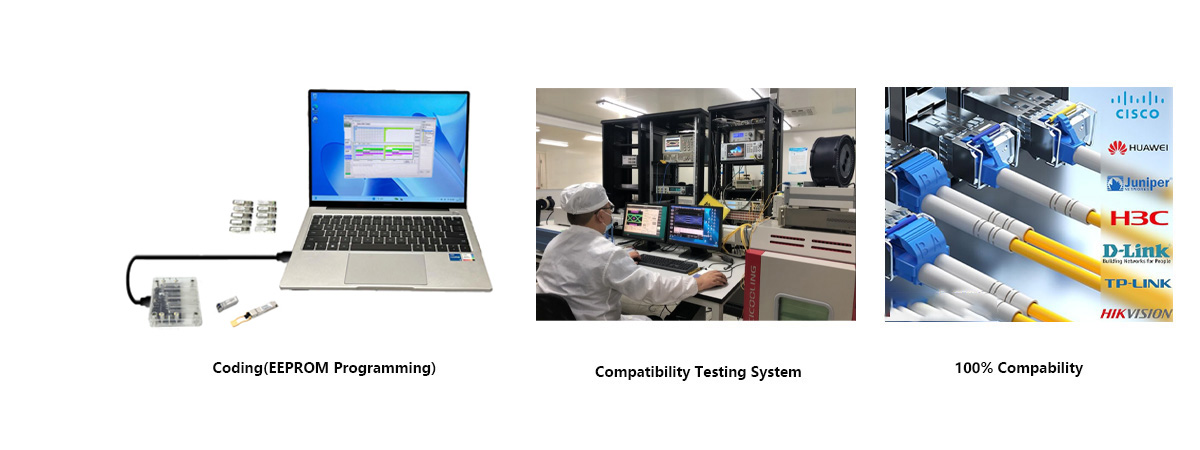
Every module features custom Dell-matched EEPROM programming. It ensures true plug-and-play and zero-alarm operation on official Dell 400G switches. Integrated IEEE 802.3bs hard RS-FEC and full real-time DDM monitoring streamline daily operation and fault troubleshooting. It suits 400G core trunking, 4×100G port breakout, phased 100G-to-400G upgrades and enterprise structured fiber systems.
Q1: Does HYTOPTODEVICE Dell 400G-Q56-DD-LDR4 PLR4 support 400G to 4x100G breakout segmentation for hybrid network upgrades?
A: Yes. This Dell-compatible 400G PLR4 supports standard 400G to 4×100G breakout. It splits one 400G QSFP-DD port into four independent 100G channels. It fits phased Dell network upgrades and improves port efficiency in mixed 100G/400G fabrics.
Q2: Is HYTOPTODEVICE 400G PLR4 QSFP-DD plug-and-play compatible with Dell, Cisco and Juniper switching platforms?
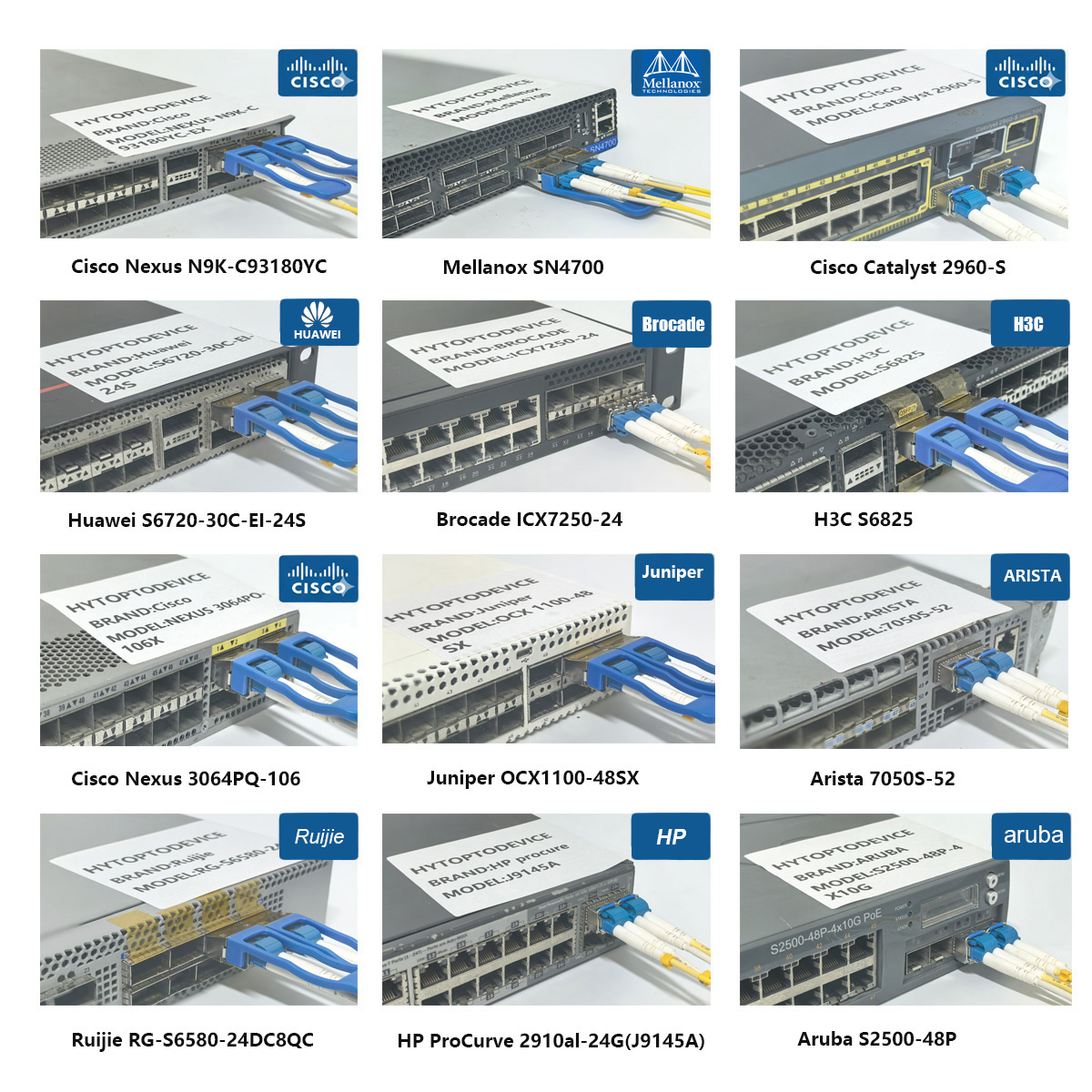
A: Yes. All HYTOPTODEVICE PLR4 modules follow QSFP-DD MSA standards with custom flashed EEPROM. They run zero-alarm on Dell OS10, Cisco IOS-XE and Juniper Junos. Real-host testing ensures reliable multi-vendor data center interoperability.
Q3: Can 400G PLR4 and 400G DR4 QSFP-DD modules establish direct optical interconnection?
A: No. PLR4 and DR4 optical structures are not compatible. PLR4 uses 1310nm parallel long-reach design with MPO-12 APC interface. DR4 is built for short-reach transmission with different power budgets and lane specs. Direct interconnection is not supported.
Q4: Can HYTOPTODEVICE Dell 400G PLR4 deliver stable 10km transmission in real campus and data center production environments?
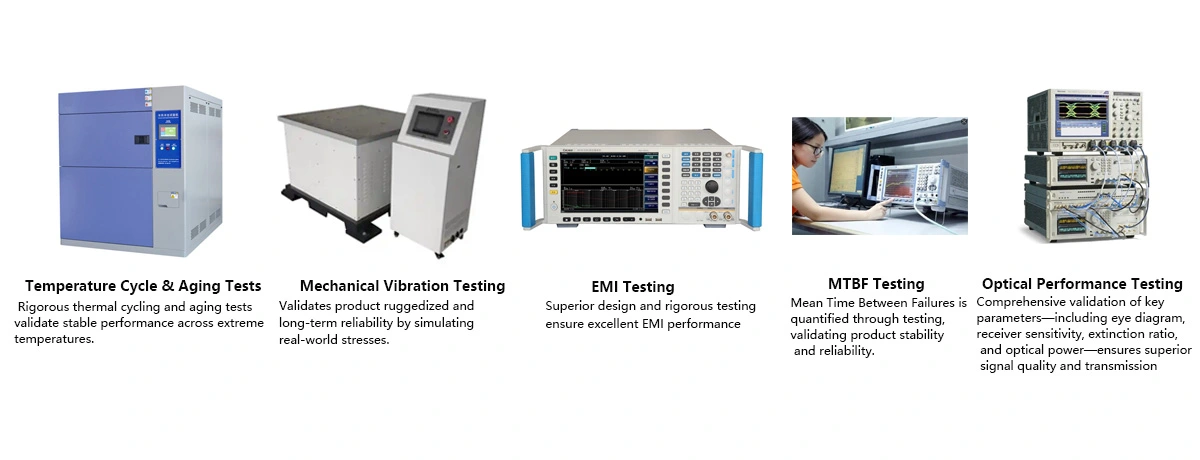
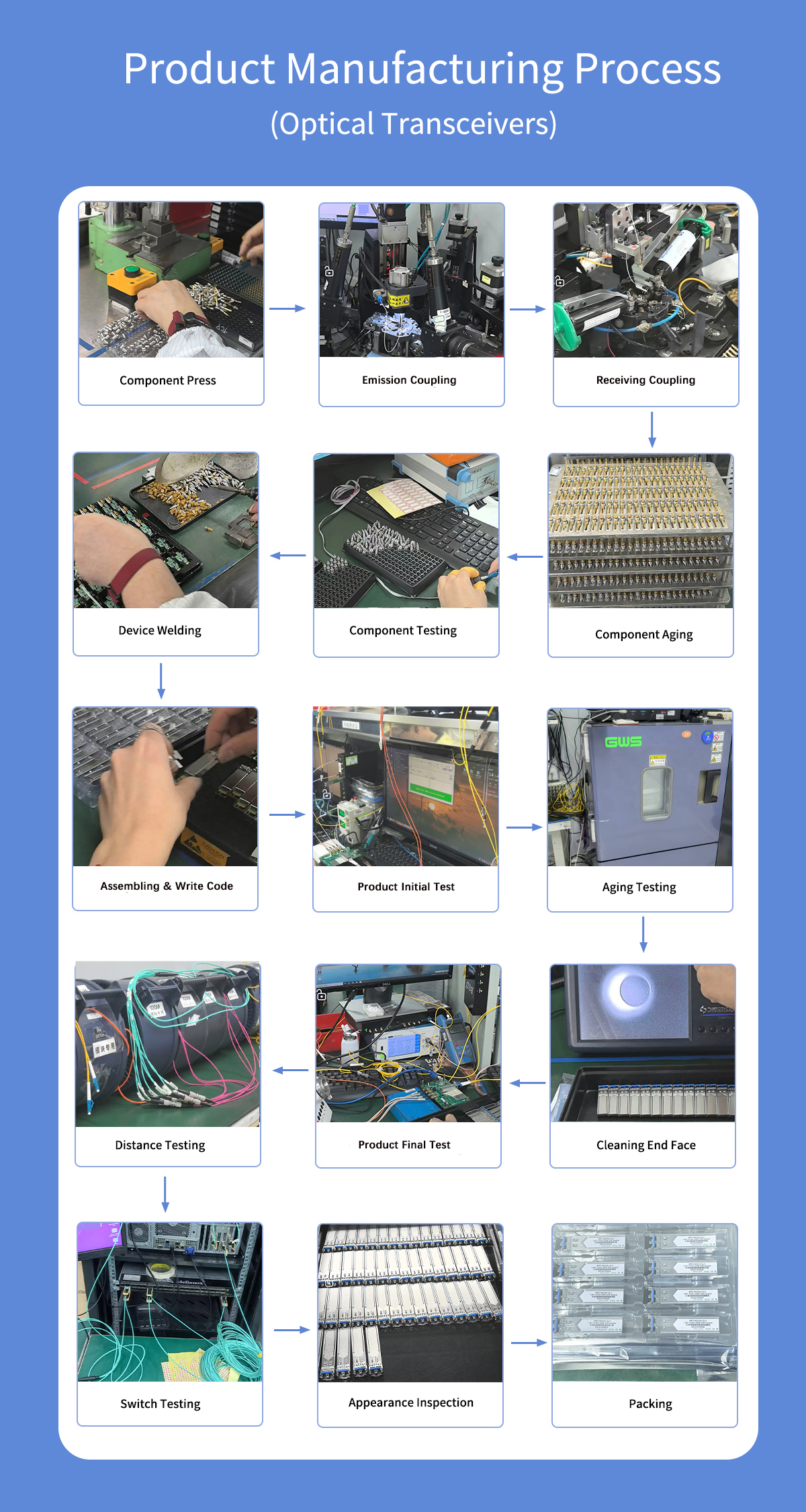
A: Yes. All HYTOPTODEVICE PLR4 modules are factory-calibrated and 72-hour full-traffic aged. Paired with standard OS2 MPO ribbon fiber, it delivers stable, error-free 10km performance for Dell cross-building and multi-pod fabric links.
Q5: What is the maximum insertion loss budget for HYTOPTODEVICE 400G PLR4 10km long-reach optical links?
A: HYTOPTODEVICE 400G PLR4 meets IEEE 802.3bs 10km optical budget standards. It reserves sufficient attenuation tolerance for on-site splicing and cabling loss. It ensures stable long-term operation for Dell long-distance backbone links.
Q6: What connector type is equipped on HYTOPTODEVICE Dell 400G-Q56-DD-LDR4 400G PLR4 transceiver?
A: This Dell-compatible PLR4 module adopts a standard MPO-12 8° angled APC connector. It matches 1310nm single-mode long-reach requirements and is the only valid connector for 10km PLR4 link deployment.
Q7: Why do 400G PLR4 long-reach transceivers require APC connectors instead of UPC connectors?
A: APC 8° angled polish suppresses back reflection for 10km long links. UPC flat contact causes high return loss. It distorts 4-channel PAM4 signals and triggers packet loss and port flapping. APC connectors are mandatory for stable PLR4 long-reach transmission.
Q8: What is the actual power consumption of HYTOPTODEVICE Dell 400G QSFP-DD PLR4 modules?
A: HYTOPTODEVICE PLR4 modules feature low-power circuit design. Typical power consumption is ≤9W, with a strict 10W maximum limit. Low thermal output reduces cabinet heat load and data center cooling costs for 24/7 operation.
Q9: Does 400G PLR4 long-reach module run hotter than short-reach 400G DR4 transceivers?
A: No. Despite 10km long-reach capability, HYTOPTODEVICE optimizes laser and circuit design. Its max 10W power limit matches DR4 thermal performance. It avoids overheating risks even in high-density fully populated Dell racks.
Q10: Is RS-FEC mandatory for stable operation of Dell 400G PLR4 10km links?
A: Yes, RS-FEC is required for production deployment. This PLR4 module integrates IEEE 802.3bs hardware FEC. Enabling FEC on Dell host ports compensates for long-fiber attenuation. It maintains ultra-low BER and reliable 10km transmission quality.