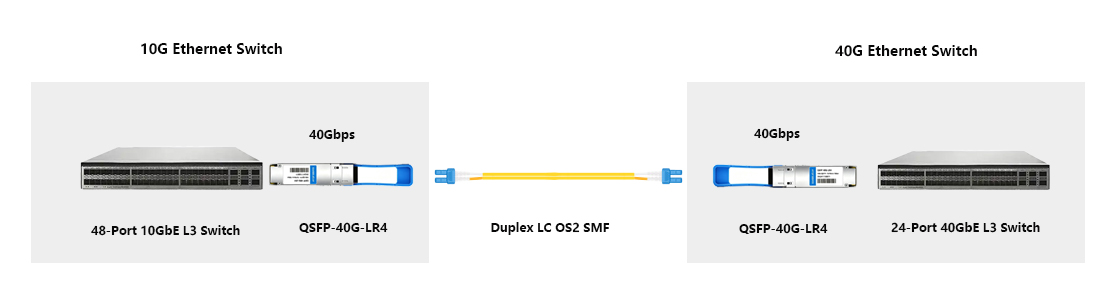
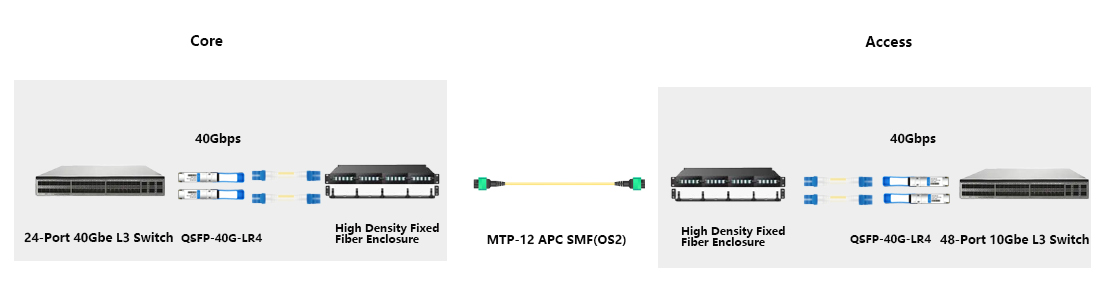
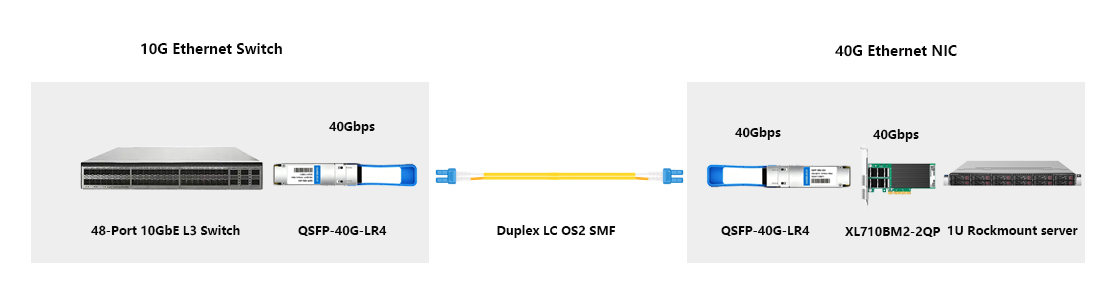
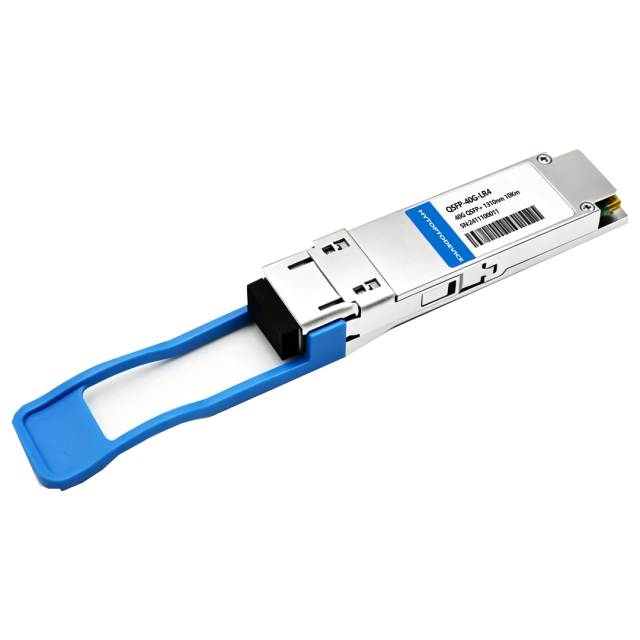
.
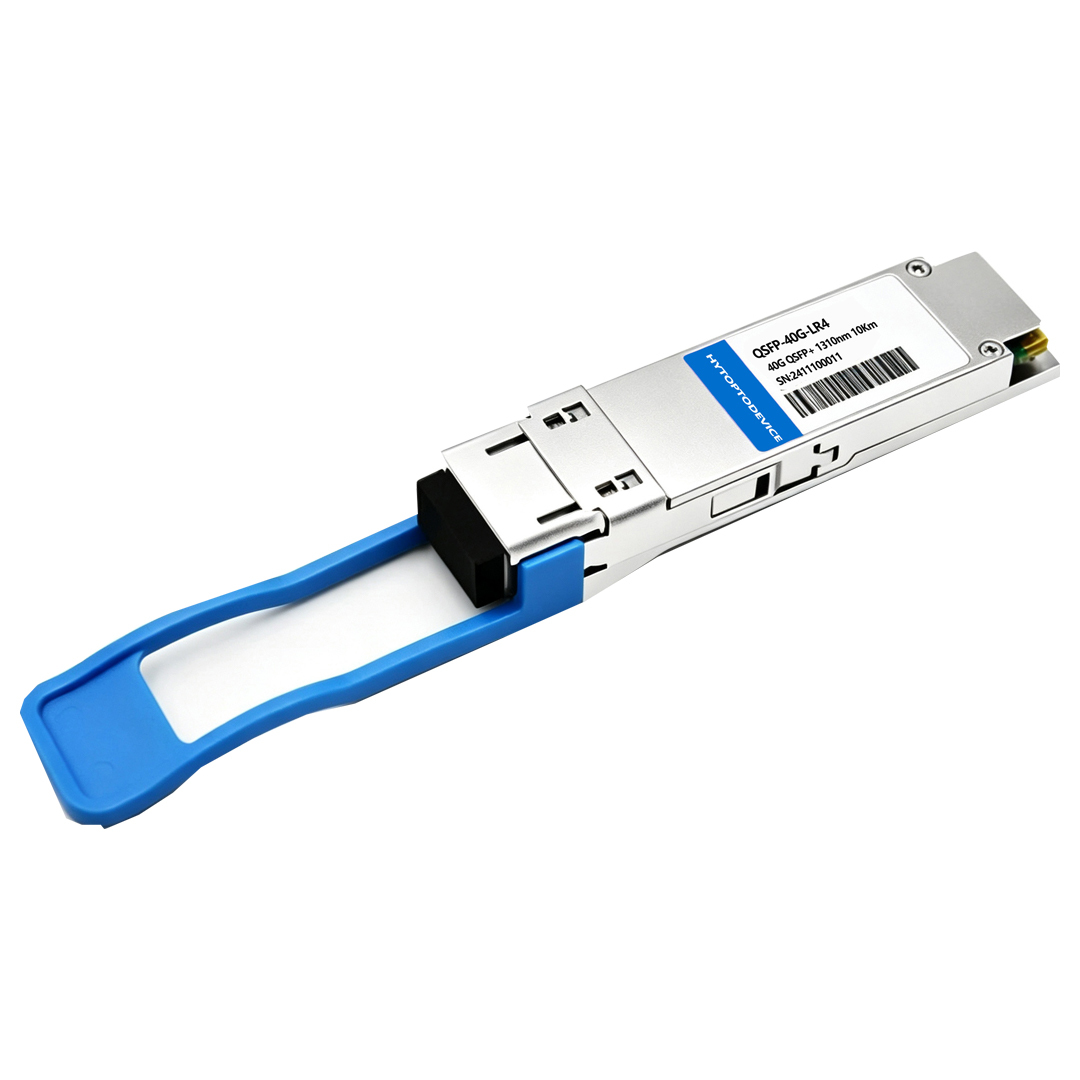
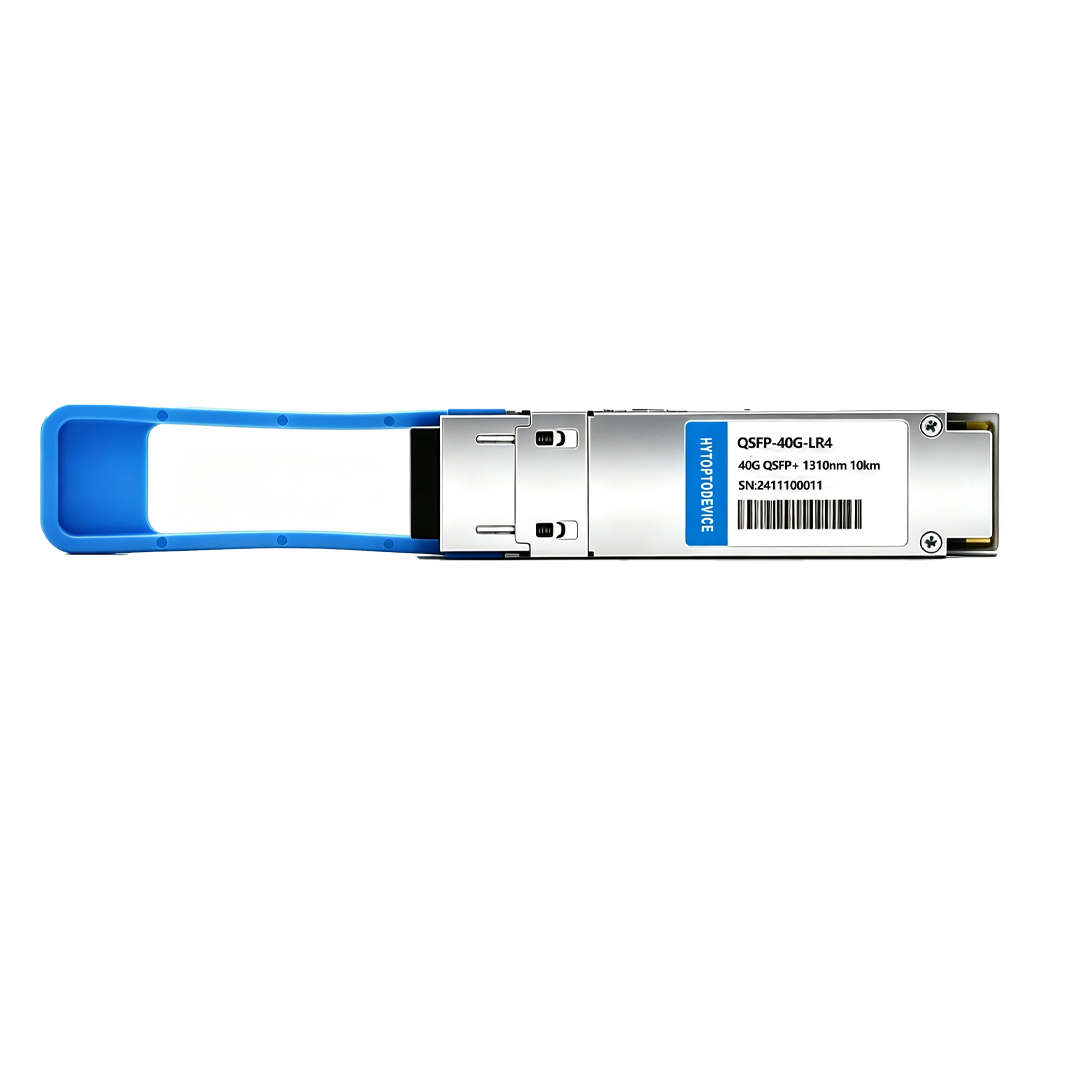
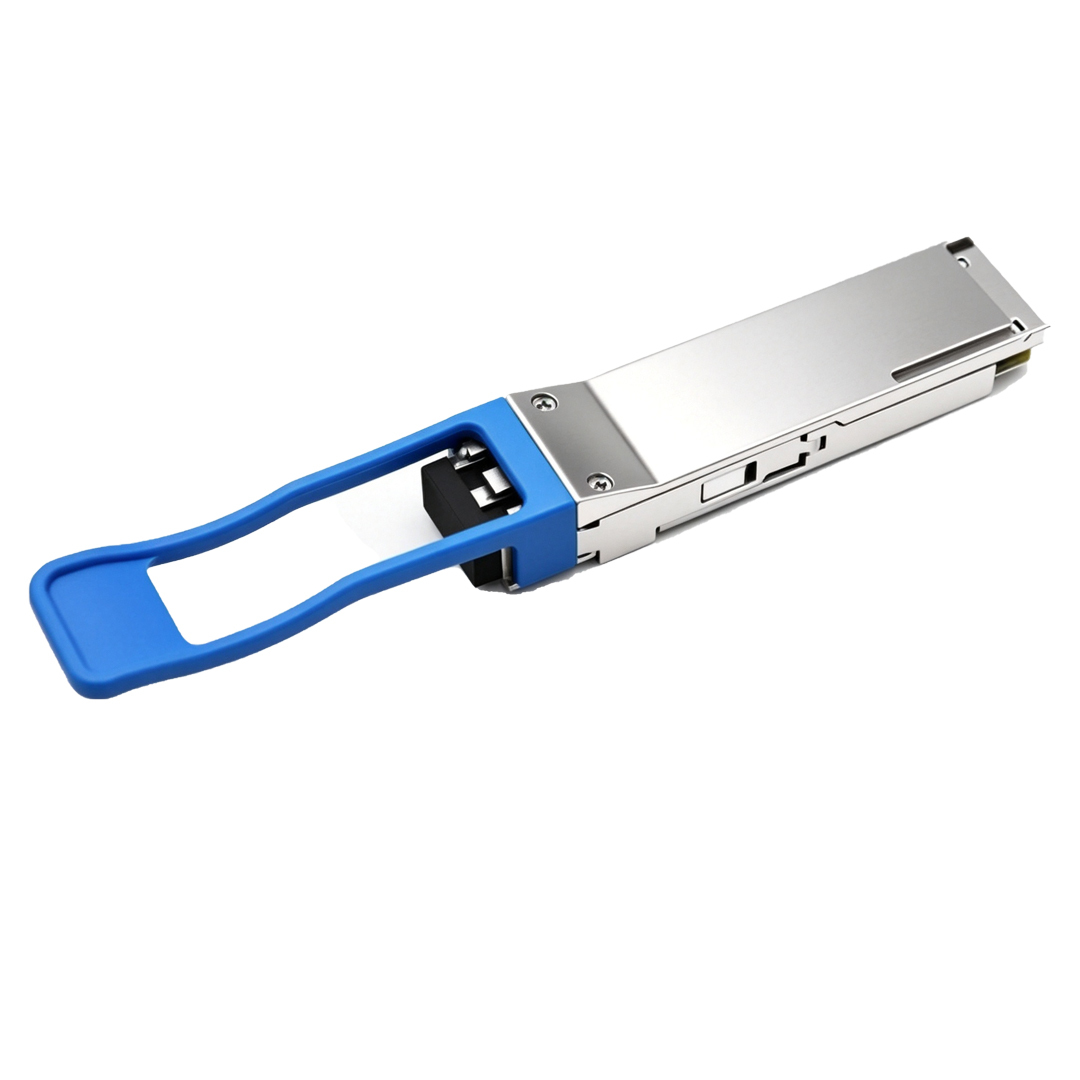
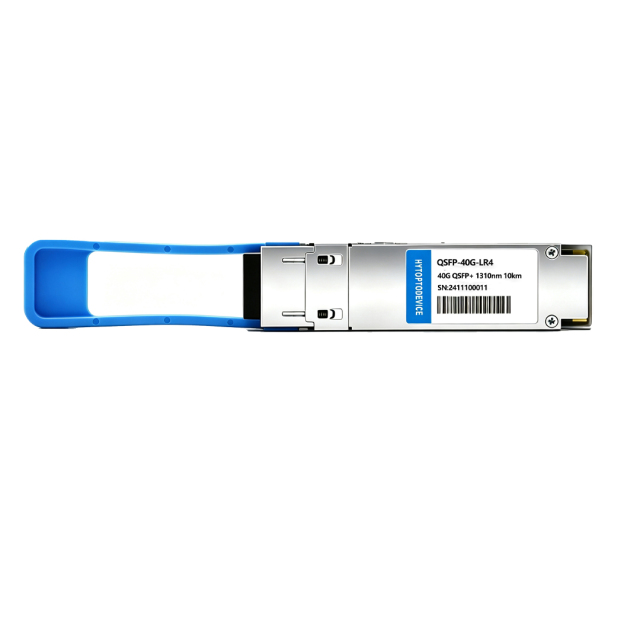
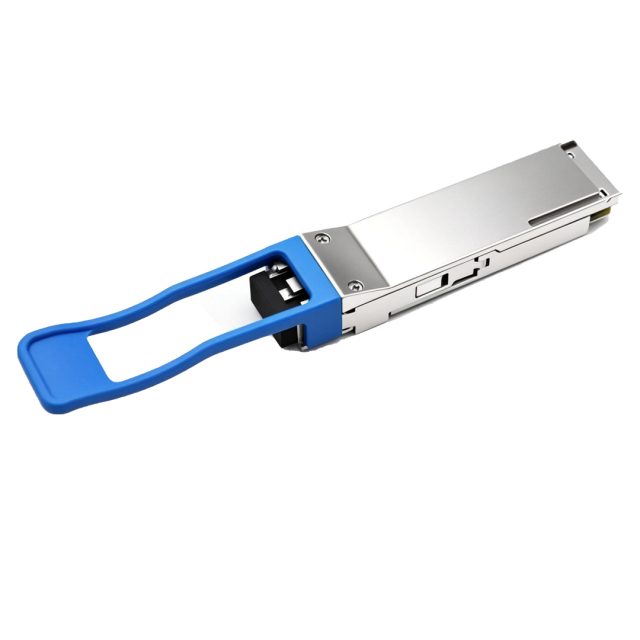
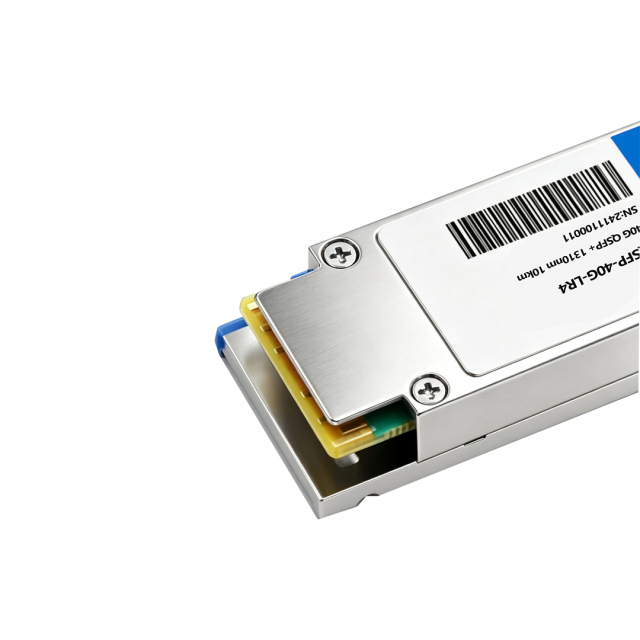
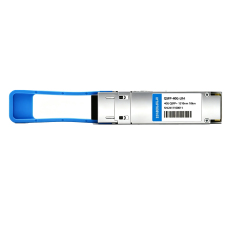
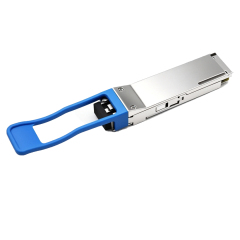
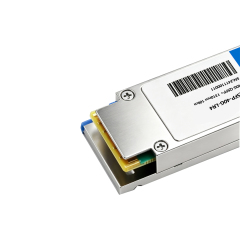
Speed without the overhead. The QSFP+ 40G 10KM transceiver delivers full 40G throughput into dense data center racks — drawing less power and occupying less space than you'd expect. High speed, high density, without the trade-offs.
Q1: Can HYTOPTODEVICE QSFP+ LR4 40G optic work with Gigamon GigaVUE appliances and other popular switch platforms such as Cisco, Arista, Juniper and Huawei for my network procurement project?
A: Yes, when the module is preloaded with the correct EEPROM coding tailored for your target Gigamon hardware. Please share your exact GigaVUE model and firmware version. Our technical team will verify full interoperability before shipment, helping overseas buyers avoid unexpected transceiver warning alerts during deployment.
Q2: Can this Gigamon-compatible QSFP+ LR4 40G transceiver run inside a QSFP28 100G switch port for my existing network upgrade purchase?
A: It can function in most cases when the QSFP28 port supports 40G speed negotiation. This compatibility varies depending on hardware and firmware, so always confirm port capability with your hardware vendor before finalizing your procurement order.
Q3: Is it acceptable to pair this QSFP+ LR4 40G module with IR4 or ER4 optics installed on the opposite fiber end in my fiber link project?
A: LR4 can interoperate with IR4, yet the maximum usable link length will be limited to 2 km governed by the shorter-reach IR4 module. It can also connect with ER4 transceivers only if total fiber length and optical loss fit within the ER4 optical power budget. Always validate specifications on both ends before mixing different transceiver models for your network build.
Q4: What maximum fiber transmission distance can network engineers achieve using HYTOPTODEVICE QSFP+ LR4 40G optical transceiver for metro backbone procurement?
A: It delivers stable transmission up to 10 km over standard OS2 single-mode fiber following 40GBASE-LR4 IEEE specifications. For links only around 2 km, IR4 modules provide a more economical alternative. For 40km long-distance connections, ER4 transceivers are required instead for long-haul network projects.
Q5: What laser wavelength channels are integrated inside this Gigamon compatible QSFP+ LR4 40G transceiver for your bulk order?
A: It contains four separate CWDM signal lanes at 1271 nm, 1291 nm, 1311 nm, and 1331 nm. Each lane carries a 10 Gbps data stream, and these four channels combine to deliver total 40 Gbps bandwidth for your fiber link in traffic monitoring infrastructure.
Q6: Can field technicians split this HYTOPTODEVICE QSFP+ LR4 40G transceiver into four separate 10G network links for breakout procurement requirements?
A: Passive breakout is not achievable. Each wavelength lane uses a dedicated signal on the same duplex fiber pair, so breakout deployment needs external CWDM mux/demux hardware. Unlike SR4 transceivers, LR4 cannot directly fan out into multiple 10G ports without additional optical equipment.
Q7: What fiber connector type is fitted on this QSFP+ LR4 40G compatible transceiver for overseas client installation?
A: This optical transceiver adopts duplex LC connectors for two single-mode fibers and does not use MPO connectors. The simple LC interface greatly simplifies on-site fiber termination and daily cabling management compared with SR4 modules requiring MPO trunk cables.
Q8: What should network technicians keep in mind about fiber polarity while deploying duplex LC QSFP+ LR4 40G transceivers for your network rollout?
A: Duplex LC cables use simple A-to-B keying, so polarity issues rarely occur under normal deployment conditions. The most common error is swapping TX and RX fiber cores on one end of the fiber run. Always double-check fiber orientation during installation to prevent unexpected link failures during your project deployment.
Q9: Which fiber polishing finish should buyers select to match HYTOPTODEVICE QSFP+ LR4 40G transceiver, UPC or APC, for foreign trade procurement?
A: LR4 optical modules follow global industry standards and adopt UPC polish by default. All connected patch cords and patch panels must also use UPC end finish. Mixing UPC and APC connectors creates strong light reflection and extra optical loss, which may break the fiber link entirely.
Q10: Is this Gigamon QSF-503 replacement transceiver genuine OEM optic or MSA-standard compatible module for your budget purchase?
A: OEM branded transceivers carry the original vendor logo with a much higher price tag. Our compatible LR4 modules are built fully to MSA standards and deliver identical core optical functionality. They typically cost 60–80% less than OEM alternatives and are covered under HYTOPTODEVICE’s dedicated product warranty for global purchasers.
Q11: What quality inspection workflow does HYTOPTODEVICE perform on every QSFP+ LR4 40G transceiver before shipment for export orders?
A: Every single module undergoes 100% full performance testing. We validate TX output power and RX sensitivity across all four CWDM lanes, plus cross-brand interoperability testing on mainstream switch hardware. Test reports can be supplied upon client request for project documentation and export audit.
Q12: Will QSFP+ LR4 40G transceiver have obvious performance degradation after long continuous runtime inside Gigamon traffic monitoring racks for long-term network deployment?
A: Slow, gradual aging on individual lanes is normal and can be continuously tracked via DDM monitoring. Sudden performance drops or module failures are rarely caused by natural aging; they are usually triggered by contaminated fiber end faces, excessive cabinet temperature or ESD damage during handling and installation.
Q13: Why is HYTOPTODEVICE’s QSFP+ LR4 40G transceiver a preferred option for overseas buyers searching for a reliable optical module supplier?
A: We supply directly from factory without OEM brand licensing fees or multi-layer channel markup. The optical performance for standard 40G fiber links remains fully equivalent. For foreign trade procurement, we offer OEM customization and flexible MOQ to match different project sizes, which helps global buyers control total project cost.
Q14: What lead time can bulk factory purchasers expect, and do you maintain ready stock for these QSFP+ LR4 40G modules for urgent foreign trade orders?
A: Our standard popular QSFP+ LR4 40G models are kept in stock with fast 24–72 hour dispatch. Custom coded and industrial-grade variants require 5–8 working days of production lead time for bulk factory orders and OEM customization requests.
Q15: Does HYTOPTODEVICE provide sample testing support and discounted samples for pre-project compatibility validation before large-scale foreign trade procurement?
A: HYTOPTODEVICE fully supports customer sample testing and makes every effort to satisfy pre-project verification demands with competitive sample pricing. All sample fees can be deducted from your first bulk factory order, making it a perfect way to validate compatibility before large-scale network deployment for overseas buyers.