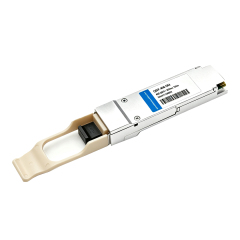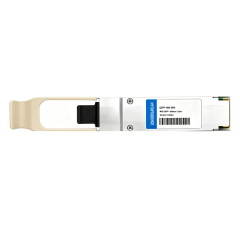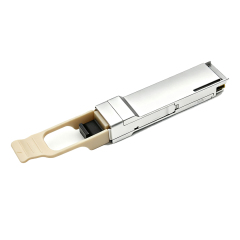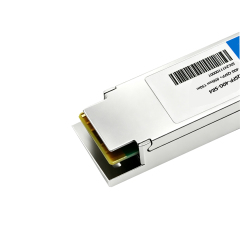
| NO. | Brand | Compatible P/N | Transceiver Type |
| 1 | DELL | 430-4593 | |
| 2 | EdgeCore | ET6401-SR4 | |
| 3 | Extreme | 10319 | |
| 4 | HPE Aruba | JH231A | |
| 5 | H3C | QSFP-40G-SR4-MM850 | |
| 6 | HPE BladeSystem | 720187-B21 | |
| 7 | HPE H3C | JG325A | |
| 8 | F5 Networks | F5-UPG-QSFP+ |
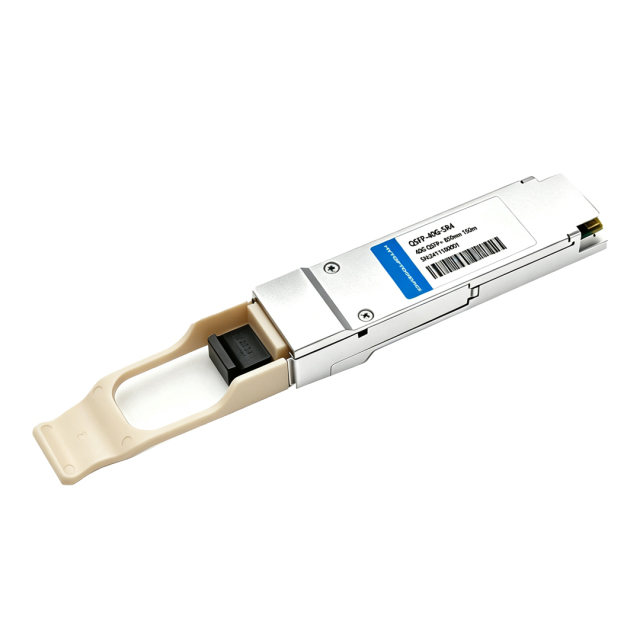
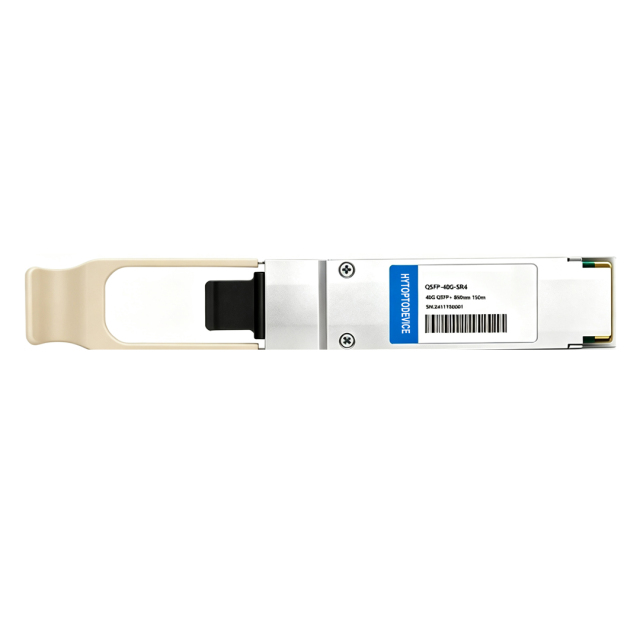
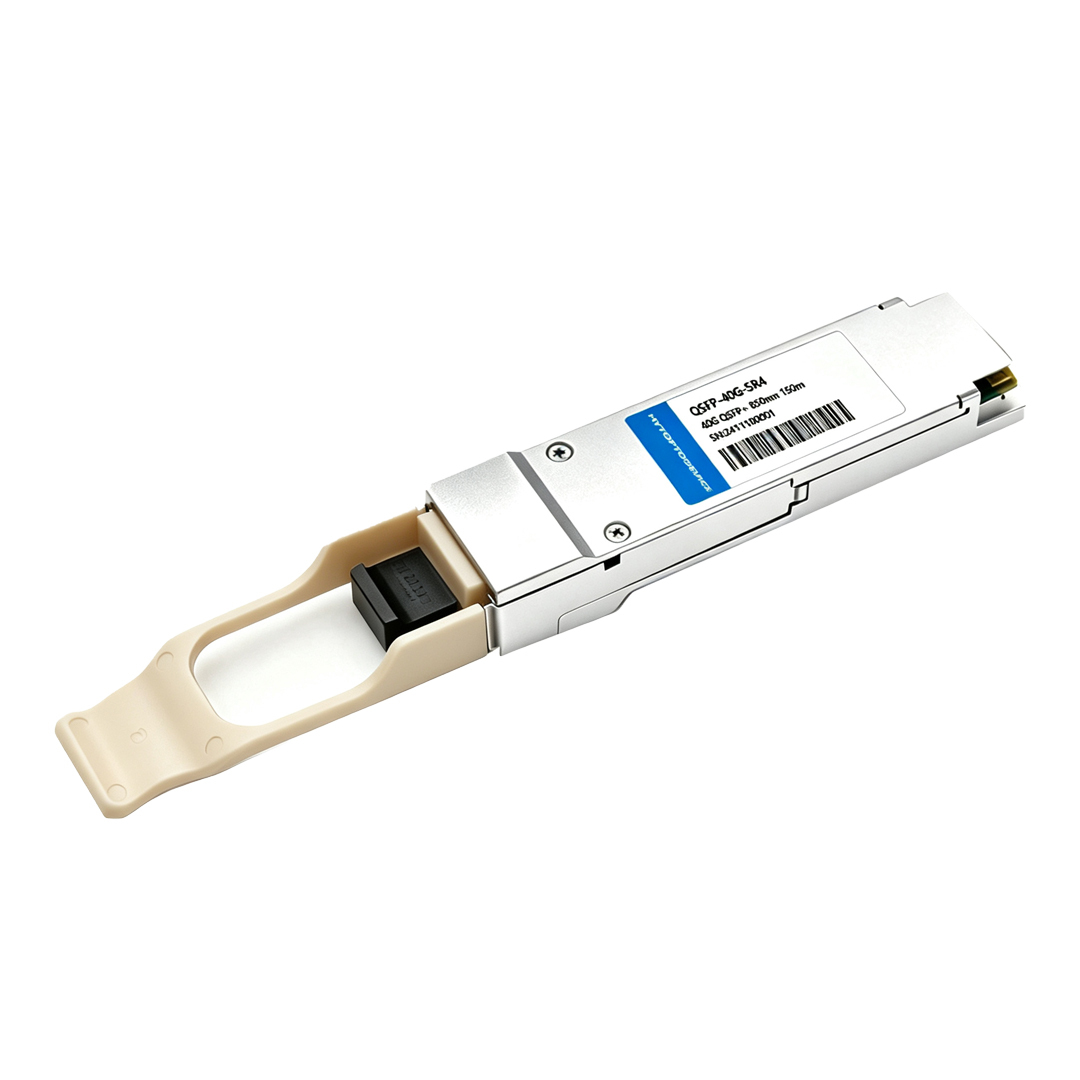
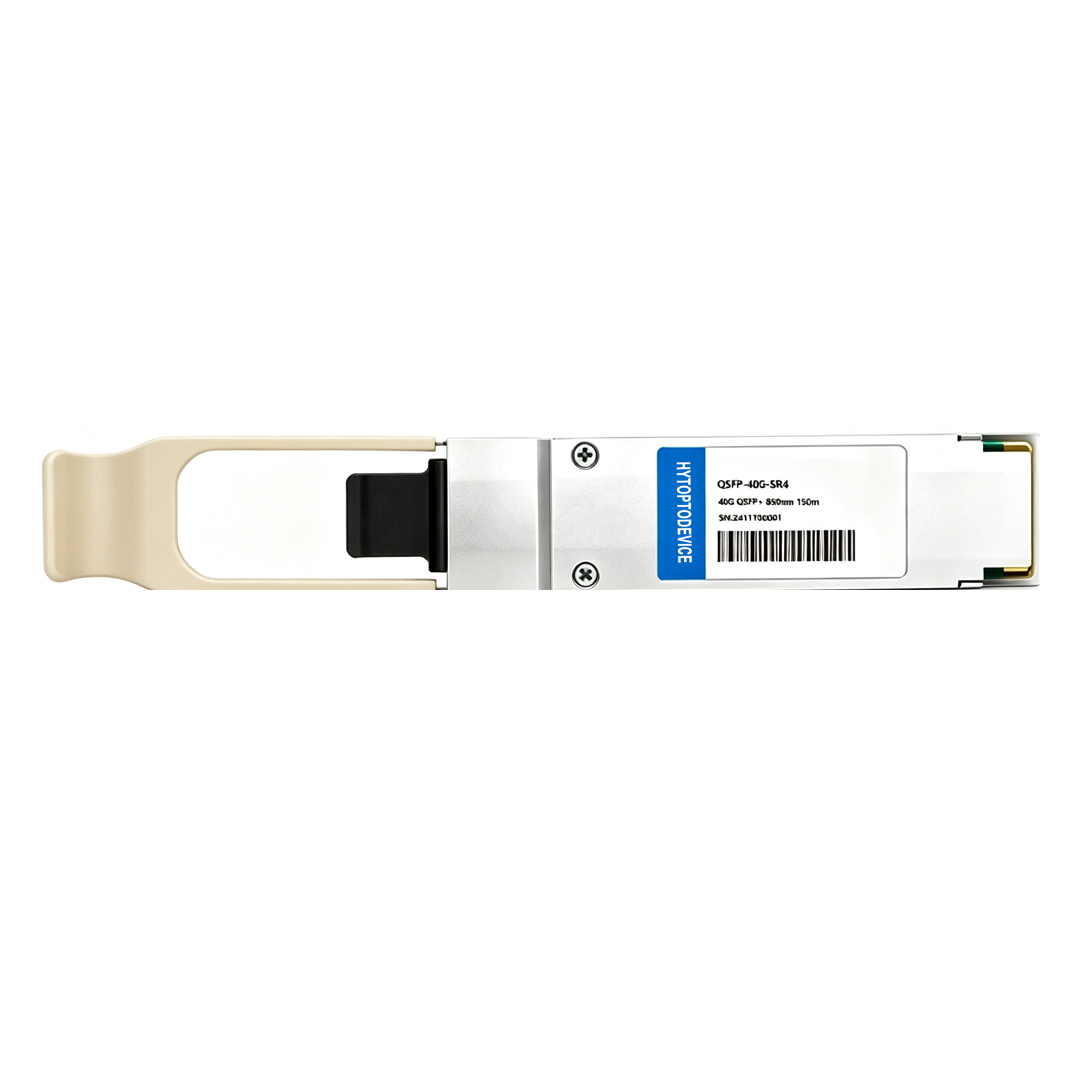
| F5 Networks Compatible | F5-UPG-QSFP+ | Vendor Name | HYTOPTODEVICE |
| Form Factor | QSFP+ | Max Data Rate | 41.25Gbps |
| Wavelength | 850nm | Max Distance | 150m@OM4/100m@OM3 |
| Connector | MTP/MPO | Transmitter Type | VCSEL 850nm |
| Cable Type | MMF | Receiver Type | PIN |
| TX Power | -8.0~1.0dBm | Receiver Sensitivity | < -13dBm |
| Power Consumption | ≤1.5W | Modulation | NRZ |
| Protocols | IEEE 802.3 40GBASE-SR4, SFF-8436 | Operation Temperature | 0 to 70°C (32 to 158°F) |
Usage Guidelines & Best Practices
Fiber Choice: Only compatible with OM3 / OM4 multi‑mode MPO‑12 trunk cabling; single‑mode fiber cannot facilitate 850 nm SR4 operation and will produce link failure.
Distance Limit: 100‑metre maximum operating reach on OM3, 150‑metre maximum on OM4; excessive splice joints, dirty connector end‑faces or sharp fiber bends degrade practical transmission distances.
Cleanliness & Dust: Keep dust caps on whenever unattached. Clean fiber end-faces with a optical cleaning pen before insertion; dust causes over 80% of optical link failures.
Installation Specification: Hot‑plug supported; keep MPO connector end‑faces clean, observe minimum fiber‑bend radius requirements.
Operating Environment: Designed for commercial‑grade 0°C‑70°C ambient conditions; maintain adequate cabinet‑level airflow to prevent excessive module temperature build‑up.
Full Compatibility List and Supported Devices
1. Supported Hardware & Firmware
Primary Application Scenarios
• Intra-data center short-distance fabric links connecting F5 rSeries / iSeries ADC devices
• 40G high-speed aggregation trunk expansion for data center load balancing infrastructure
• Top-of-Rack 40G uplinks connecting F5 application delivery controllers to virtualization and compute server clusters
• Rack-to-rack short multi-mode fiber interconnections inside server rooms
• Enterprise and MSP infrastructure upgrade and F5 ADC platform modernization projects
• Multi-vendor hybrid fabric deployments for cloud and virtualized application workloads
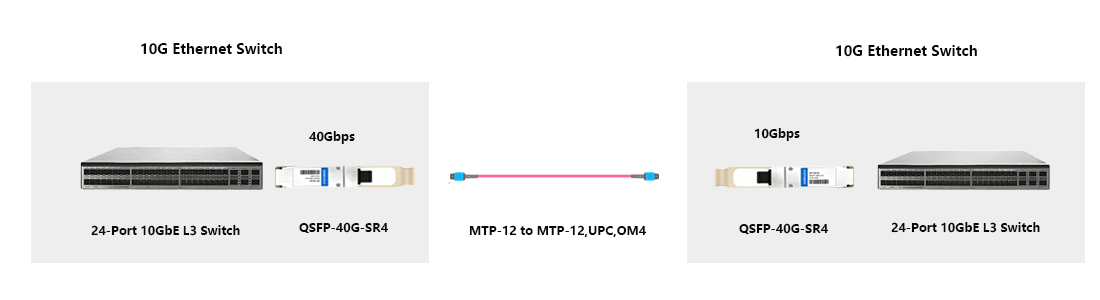
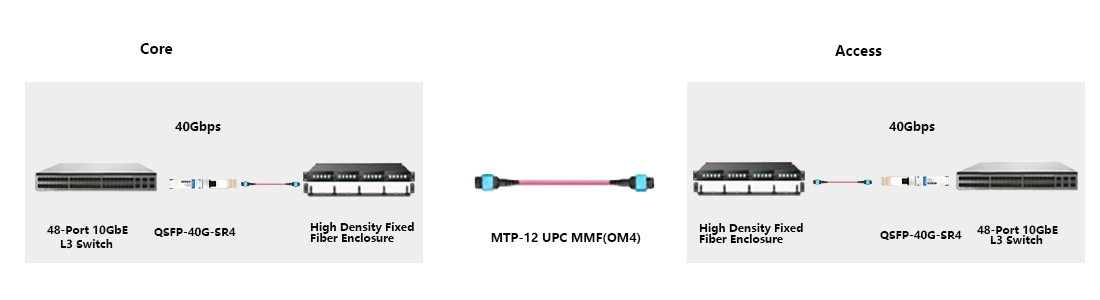
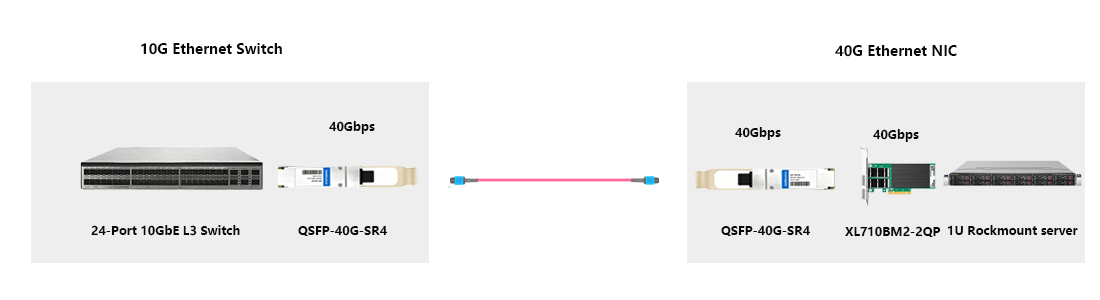
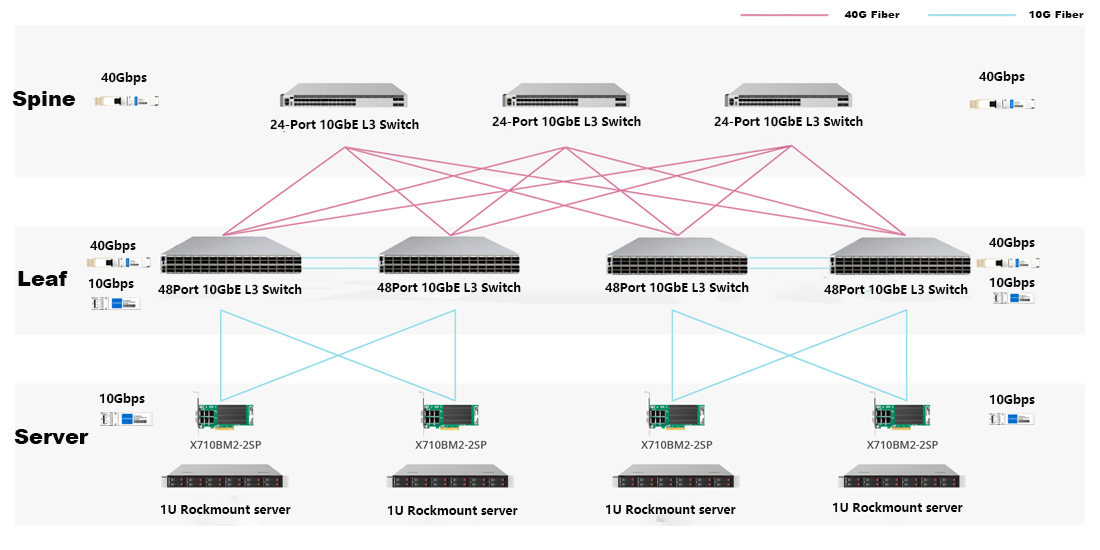
1. 40G Connectivity for Data Center
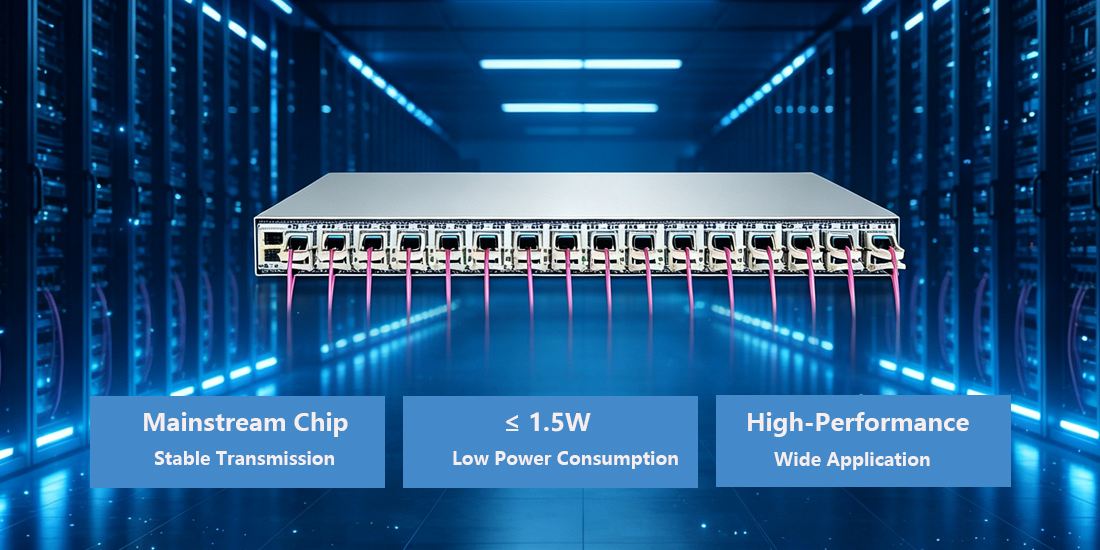
High speed, low overhead. The QSFP+ 40G module brings gigabit-class throughput to dense data center racks while drawing less power and taking up less space.


FAQ
Q1: How to resolve unsupported transceiver alerts after installing HYTOPTODEVICE 40G QSFP+ SR4 on F5 rSeries or iSeries ADC appliances? A: This warning usually comes from vendor lock-in EEPROM mismatch. Genuine HYTOPTODEVICE F5‑UPG‑QSFP+ compatible modules carry matching EEPROM coding; if alert persists, verify port settings, upgrade ADC firmware or contact HYTOPTODEVICE for module recoding.
Q2: Can HYTOPTODEVICE 40G QSFP+ SR4 transceiver work with existing 10G SFP+ breakout cabling for phased F5 ADC data center migration? A: Yes, with MPO-to-4×LC breakout cable solution. The 40G SR4 port can be split into four independent 10G SFP+ links, enabling gradual infrastructure migration for F5 application delivery environments.
Q3: Which fiber media should be selected when deploying HYTOPTODEVICE F5‑UPG‑QSFP+ compatible 40G QSFP+ SR4 for F5 load balancer deployment? A: Multimode fiber only, OM3 or OM4 (OM5 also compatible on some platforms). It cannot operate over single-mode fiber; single-mode long-distance links require 40G LR4 transceivers.
Q4: What power consumption should network architects expect for HYTOPTODEVICE 40G QSFP+ SR4 populated inside dense F5 ADC appliance racks? A: Typically 1.0–1.5W per module depending on ambient temperature, well below MSA maximum limits, safe for densely populated QSFP+ ports on F5 rSeries and iSeries hardware.
Q5: What insertion loss and link budget values need to be calculated for F5 ADC fiber plant design using HYTOPTODEVICE 40G QSFP+ SR4? A: The 40GBASE-SR4 channel supports maximum insertion loss around 1.9 dB including connectors and patch panels. Always test and validate your cable plant loss before live ADC deployment.
Q6: Will using HYTOPTODEVICE 40G QSFP+ SR4 limit future 100G upgrade roadmap for F5 ADC network infrastructure? A: It is a 40G transceiver; existing OM3/OM4 multimode fiber can often be reused for 100G SR4/SR10, but ports and transceivers must be upgraded. Plan cabling with future bandwidth growth in mind.
Q7: Can existing on-site MPO trunk fiber be reused with HYTOPTODEVICE 40G QSFP+ SR4 during F5 ADC network upgrade projects? A: Verify fiber count, UPC polish and fiber polarity. Existing 12-fiber MPO trunks are often reusable, but test insertion loss and confirm polarity match SR4 requirements before deployment.
Q8: What operational risks will occur if mixing OM3 and OM4 multi-mode fiber segments within one physical link with HYTOPTODEVICE 40G QSFP+ SR4? A: Link can still establish, but maximum transmission distance is limited by the shorter-grade OM3 segment, so the mixed fiber link is rated for 100 meters maximum.
Q9: What compliance certificates can enterprise buyers obtain for HYTOPTODEVICE bulk ordered 40G QSFP+ SR4 optical transceivers? A: Available documents include CE, FCC, RoHS and REACH certification. HYTOPTODEVICE holds ISO9001 quality system; request certificates before placing large wholesale procurement orders.
Q10: Does HYTOPTODEVICE 40G QSFP+ SR4 module have sufficient ESD protection during shipping and field handling for F5 ADC installations? A: Yes, modules ship in anti-static packaging and support hot-swap with built-in ESD protection. Always ground yourself before touching optical components to avoid static damage.
Q11: What stock availability and fulfilment lead time for HYTOPTODEVICE F5‑UPG‑QSFP+ compatible 40G QSFP+ SR4 bulk wholesale purchase orders? A: Standard SR4 models are normally in stock with 24–72 hour dispatch; custom coded or industrial temperature variants may require 1–3 weeks production lead time.
Q12: What payment terms and international Incoterm options does HYTOPTODEVICE accept for cross-border bulk procurement of 40G QSFP+ SR4? A: Accepted payment methods: T/T, PayPal, trade assurance for small orders; FOB, CIF and DDP shipping terms available. Confirm total landed cost including duties and taxes before order confirmation.
Q13: Are there unexpected customs charges when importing HYTOPTODEVICE 40G QSFP+ SR4 for F5 ADC enterprise network projects? A: Import duties and taxes vary by destination country and Incoterm. Request DDP quotation if you want a fixed all-in delivered price without surprise customs fees.
Q14: How can network administrators retrieve real-time optical diagnostic data from HYTOPTODEVICE 40G QSFP+ SR4 installed on F5 rSeries / iSeries ADC? A: Use F5 ADC CLI or web management interface to view per-lane temperature, supply voltage, TX/RX optical power and alarm thresholds via DOM digital optical monitoring.
Q15: Is purchasing 40G QSFP+ SR4 still cost-effective while industry migrates toward 100G / 400G speeds for F5 ADC infrastructures? A: It remains fully supported and cost saving for existing 40G ADC environments. Your multimode fiber can often be reused for future upgrades. Choose a reliable manufacturer like HYTOPTODEVICE for long-term spare stock supply.
Packaging & Custom OEM Solutions
Every 40G QSFP+ SR4 module ships in sealed ESD-safe packaging, ready for same-day dispatch. Bulk orders offer OEM customization—logo printing and private labeling—tailored for network distributors, integrators, and enterprise deployments.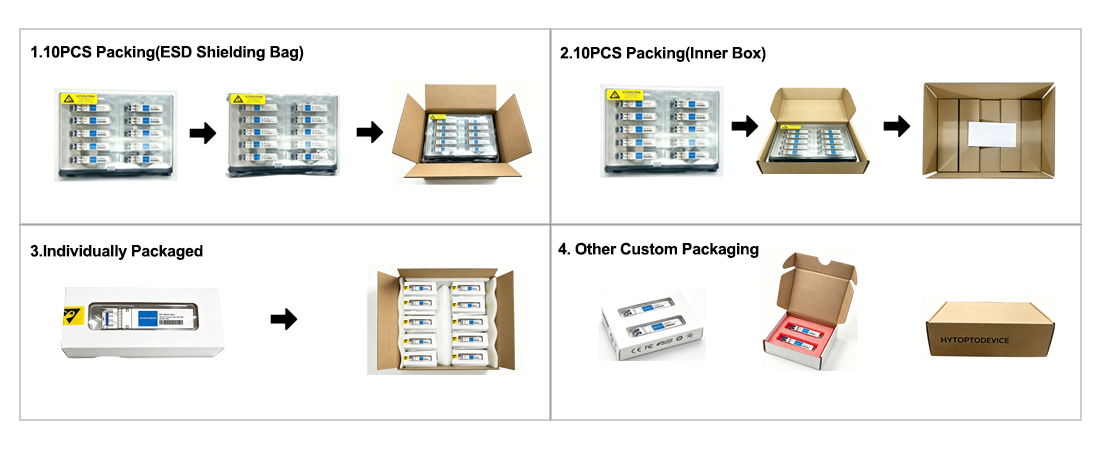
Why Network Engineers Choose HYTOPTODEVICE
HYTOPTODEVICE has supplied over 5000,000 optical transceiver modules to data centers, ISPs, and enterprise networks across 100+ countries since 2011. Every module undergoes a 72-hour burn-in test and full DDM/DOM validation before shipment.
“Phenomenal performance. We deployed 200 HYTOPTODEVICE SFP+ modules to replace Cisco OEMs in our backbone network. Result? Zero compatibility issues and a 60% reduction in costs. Highly recommended for mission-critical networks."— Senior Network Engineer, Regional Telecom, Australia
Quality Certification & Compliance
At HYTOPTODEVICE, our quality commitment is backed by industry-standard validations. From fiber optical transceiver manufacturing to final visual inspection, from IQC、IPQC、FQC to OQC, our processes ensure global compliance and reliability.
We adhere to rigorous standards for our SFP modules and network solutions:
ISO 9001: Certified quality management and production consistency.
CE & FCC: Fully compliant for seamless Global Market Access.
RoHS: Committed to environmental responsibility and hazardous material control.
Proven Reliability: Rigorous testing to reduce compliance risk and ensure safety.
Certified Quality. Global Standards. Guaranteed Performance.