Q1: What laser component delivers reliable long-haul transmission stability?
A1: Our Cisco-compatible 1562.23nm SFP+ 10G DWDM transceiver adopts high-grade industrial EML laser cores, purpose-built for stable 80km long-haul DWDM transmission. Unlike ordinary DFB lasers, our EML laser delivers lower spectral distortion and stronger chromatic dispersion resistance, effectively suppressing signal attenuation and waveform deformation during long-distance single-mode fiber transmission. Every module undergoes precise factory wavelength calibration, ensuring ultra-low bit error rates and steady continuous output for C19-channel carrier-grade multiplexing networks.
Q2: Can the transceiver pick up weakened optical signals over long fiber spans?
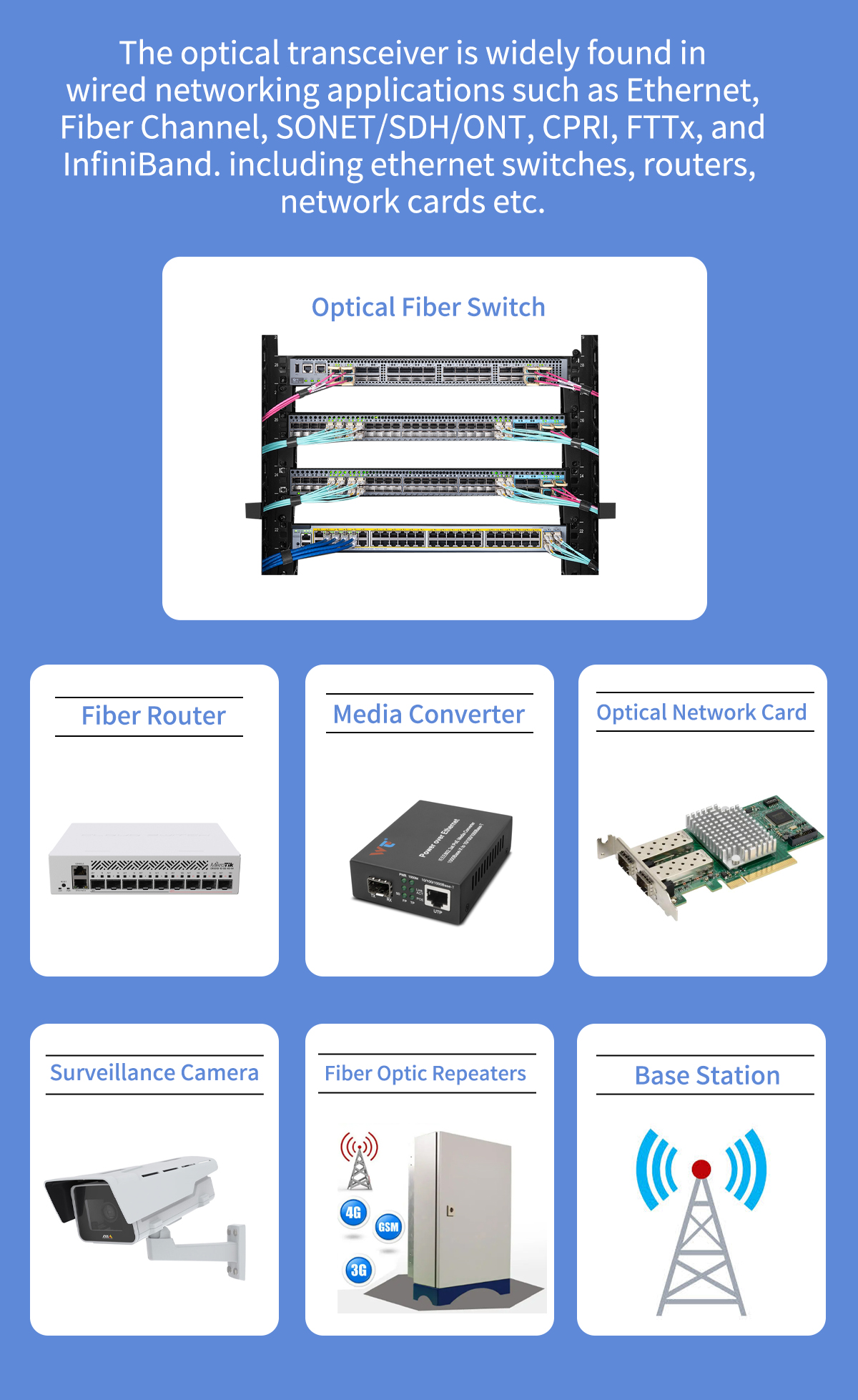
A2: This HYTOPTODEVICE 10G DWDM SFP+ module features high-gain APD receiver chips optimized for 80km ultra-long-span fiber attenuation scenarios. Outperforming conventional PIN receivers, our upgraded APD solution provides powerful signal amplification and precise weak signal capture capabilities, reliably identifying severely attenuated optical signals after long-distance transmission. It effectively eliminates link flapping, packet loss and intermittent disconnections, guaranteeing stable and uninterrupted 10G service delivery for metro DWDM and OTN backbone infrastructure.
Q3: How consistent is the module’s central wavelength after long operating hours?
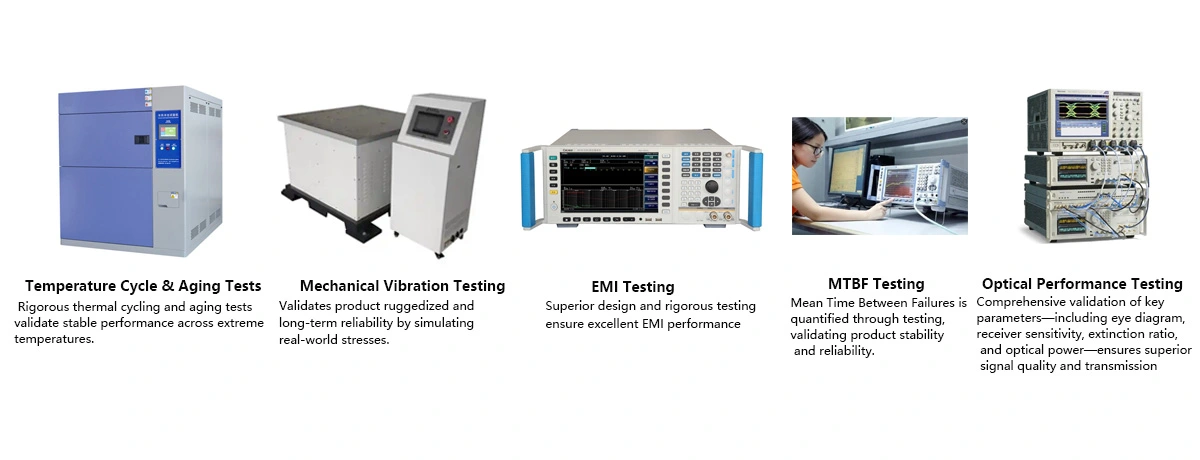
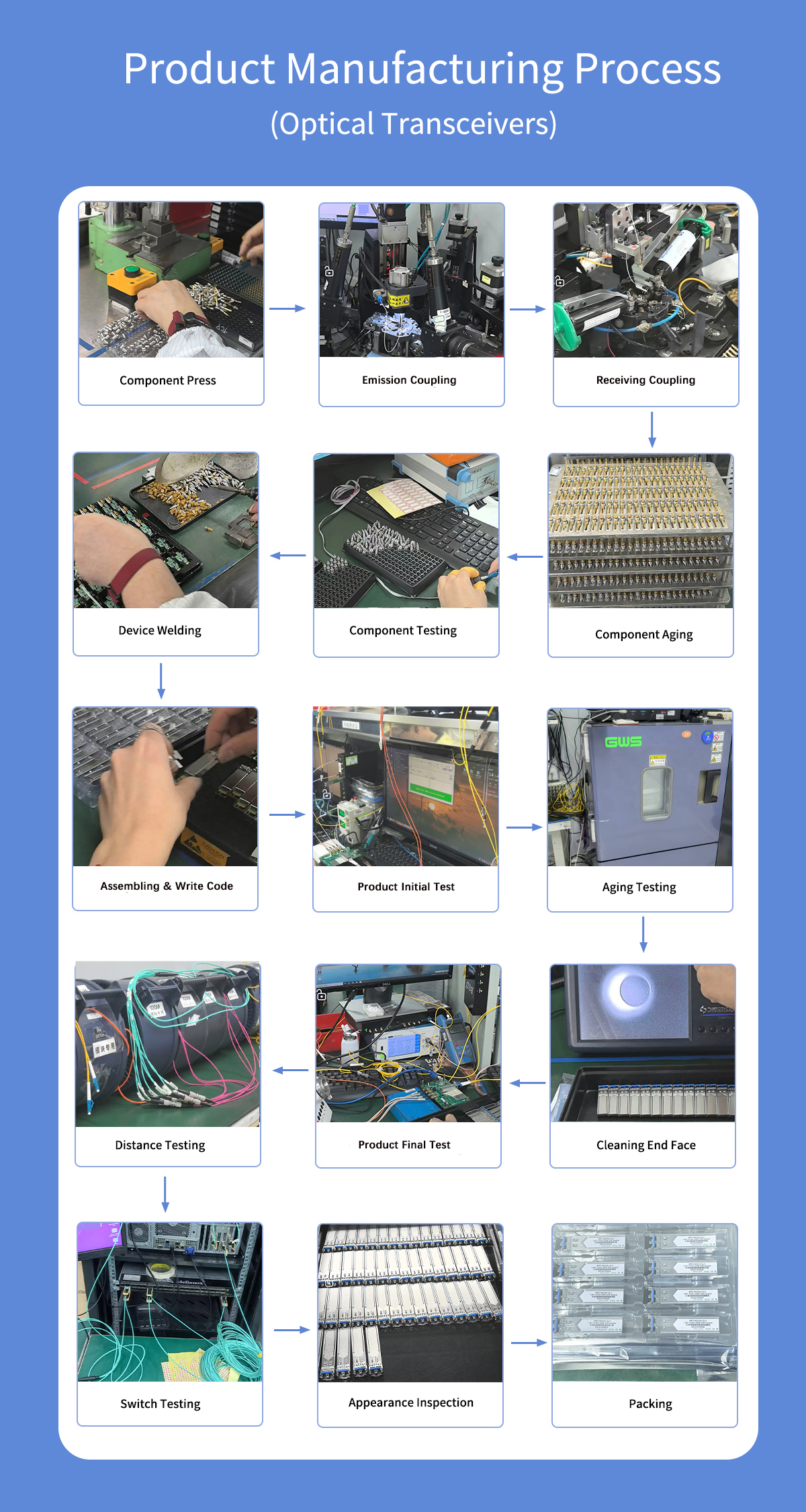
A3: Our C19 1562.23nm DWDM modules deliver exceptional long-term wavelength stability for lifelong network operation. Each SFP+ transceiver undergoes 100% professional wavelength calibration and strict high-low temperature cycle aging tests in our factory. Equipped with standard 100GHz ITU grid locking technology, the product maintains minimal wavelength drift under continuous operation and fluctuating ambient temperatures. This precise control prevents adjacent-channel crosstalk and sustains consistent, high-accuracy multi-wavelength DWDM multiplexing performance.
Q4: How fast does the built-in TEC stabilize temperature during sudden heat spikes?
A4: Our carrier-grade SFP+ 10G DWDM transceiver integrates high-sensitivity sensing and high-response TEC thermoelectric cooling systems for instant temperature compensation. The built-in chip rapidly detects sudden cabinet heat spikes and environmental temperature variations, actively adjusting the laser’s operating temperature in real time. This precise thermal locking mechanism stabilizes the 1562.23nm center wavelength, prevents thermal-induced performance degradation, and maintains consistent transmission quality in high-density, variable-temperature network deployment environments.
Q5: Does this DWDM SFP+ module support multi-brand firmware coding adaptation?
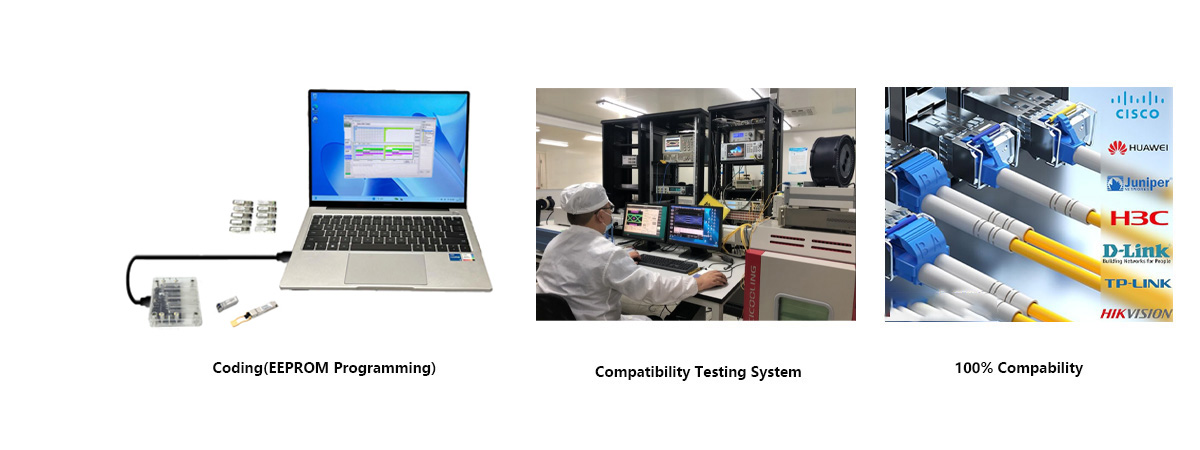
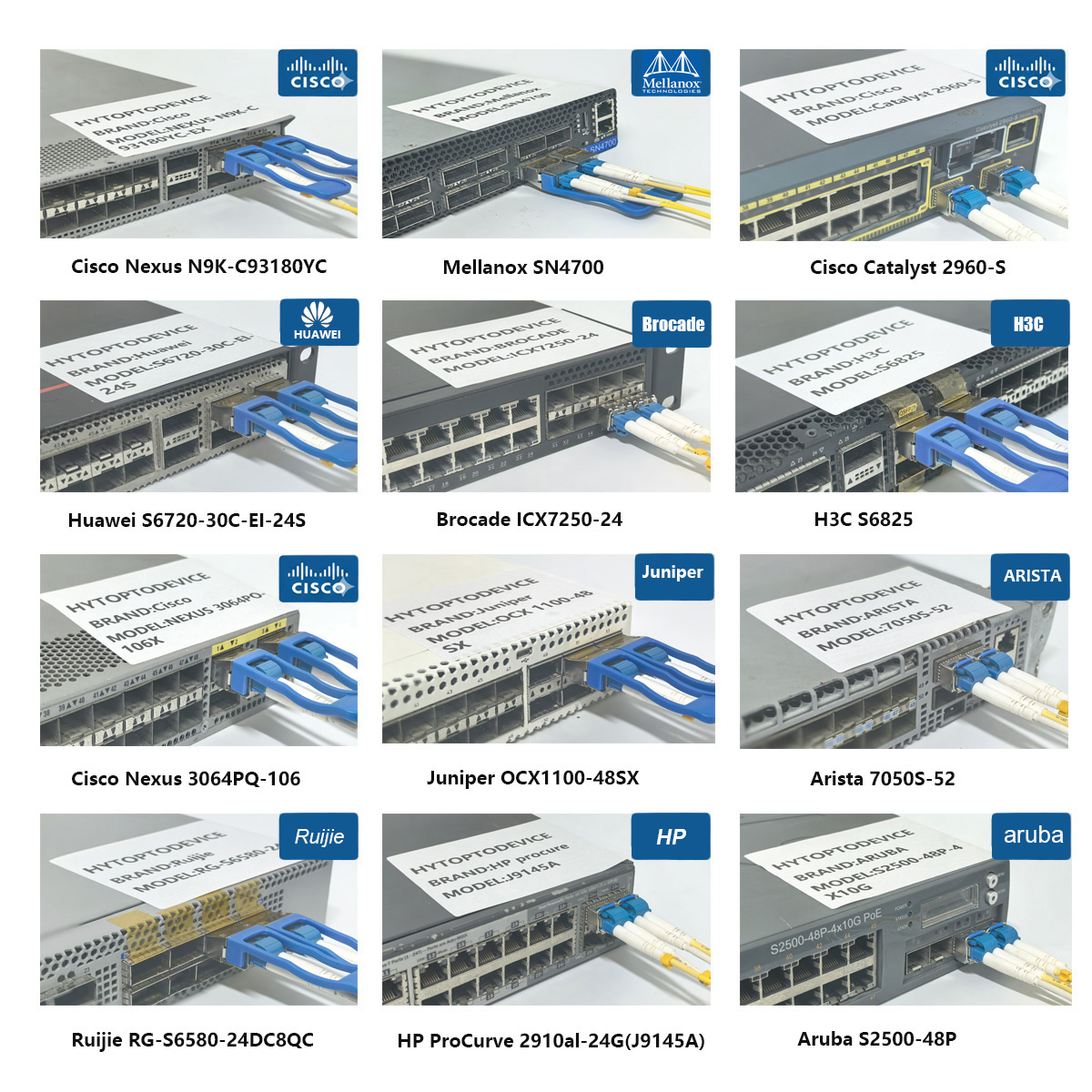
A5: We provide free, professional multi-brand EEPROM firmware coding adaptation for all our 10G DWDM SFP+ transceivers. This 1562.23nm model comes pre-flashed with dedicated Cisco adaptive firmware, enabling zero-alarm plug-and-play operation on all Cisco IOS and IOS-XE devices. Our technical team supports flexible vendor ID rewriting and firmware optimization for Huawei, H3C and other mainstream network platforms, fully adapting to multi-brand hybrid networking and cross-device deployment with zero hidden charges.
Q6: Are false DDMI monitoring alarms common with this Cisco-compatible transceiver?
A6: Firmware optimization completely eradicates false DDMI and DDM monitoring alarms on our Cisco-compatible transceivers. We independently debug and upgrade each module’s built-in monitoring program to fix data deviation and system misjudgment flaws. The transceiver outputs highly accurate real-time metrics including optical power, operating temperature, working voltage and laser bias current. It achieves zero false alarms and error-free data synchronization with standard Cisco network management systems, ensuring reliable, real-time network operational monitoring.
Q7: Is there active thermal protection to prevent module overheating damage?
A7: All our carrier-grade SFP+ 10G DWDM transceivers feature intelligent built-in active over-temperature protection systems. During high-density cabinet deployment or poor heat dissipation that causes abnormal temperature surges, the module automatically adjusts operating parameters and triggers thermal protection logic. This advanced mechanism avoids laser burnout, signal failure and component damage from overheating, significantly improving operational safety and extending service life in high-temperature industrial and carrier network environments.
Q8: What reliability MTBF rating applies to this 10G DWDM transceiver?
A8: This 1562.23nm C19 10G DWDM SFP+ transceiver features an industry-leading MTBF rating of over 500,000 hours. The reliability data is calculated per strict carrier-grade optical device standards and verified through long-term continuous factory aging tests. Capable of 7×24-hour uninterrupted stable operation, this durable module perfectly adapts to high-demand core network scenarios, including metro backbone transmission, OTN optical transport and cross-data center long-haul link interconnection projects.
Q9: What is the quality return rate for this C19 1562.23nm module series?
A9: Our C19 1562.23nm DWDM SFP+ product line maintains an ultra-low industry RMA return rate below 0.3%. We implement full-process strict quality control covering raw material screening, precision wavelength calibration, photoelectric performance testing and high-low temperature aging screening. Every finished module passes complete real-machine compatibility verification before delivery. Rigorous quality assurance minimizes defective rates, supporting stable large-scale bulk deployment for carrier and enterprise network projects worldwide.
Q10: Do the LC ports stay securely locked to avoid accidental line drops?
A10: Our duplex LC UPC connectors adopt upgraded industrial reinforced snap-lock structures and high-precision docking craftsmanship for ultra-secure connections. The optimized buckle design delivers stable, durable plugging retention force, effectively resisting equipment vibration, cable tension and daily device movement. It completely prevents loose contact, signal jitter and accidental disconnection, securing stable long-term physical link connectivity for professional long-haul DWDM network systems.