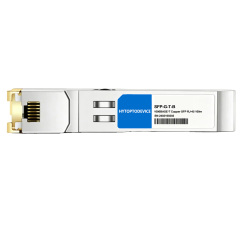
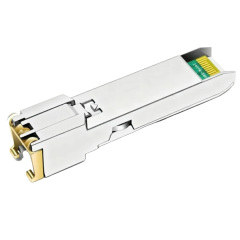
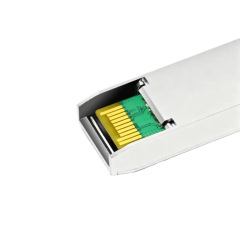
| NO. | Brand | Compatible P/N | Transceiver Type |
| 1 | Aruba | SFP-TX | |
| 2 | Avaya | 700283872 | |
| 3 | D-link | DGS-712 | |
| 4 | DELL | 310-7225 | |
| 5 | Extreme | MGBIC-02 | |
| 6 | F5 Networks | F5-UPG-SFPC-R | |
| 7 | Fortinet | FN-TRAN-GC | |
| 8 | H3C | SFP-GE-T | |
| 9 | HPE BladeSystem | 453154-B21 | |
| 10 | Netgear | AGM734 | |
| 11 | Nortel | AA1419043-E6 |
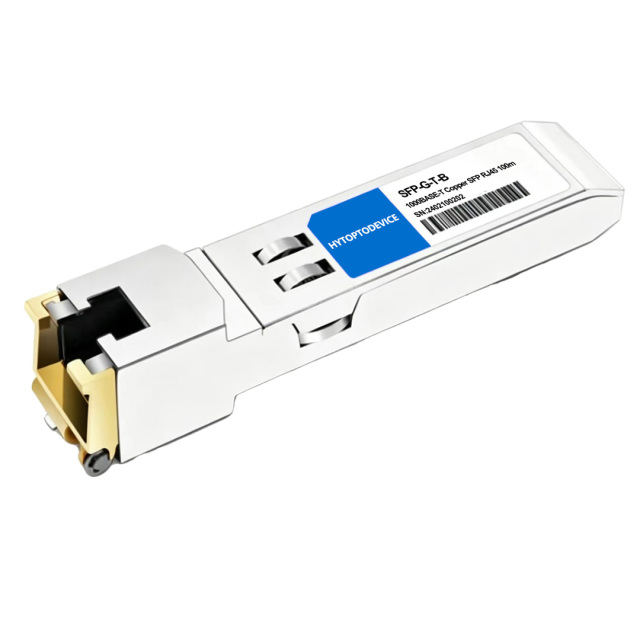
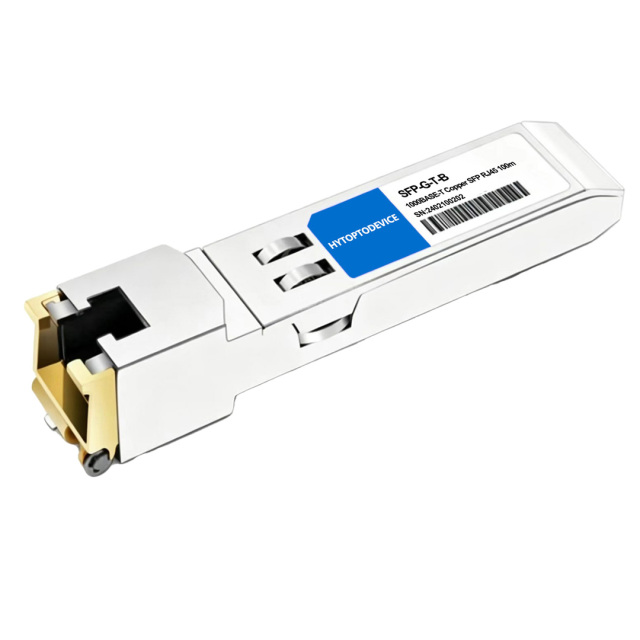
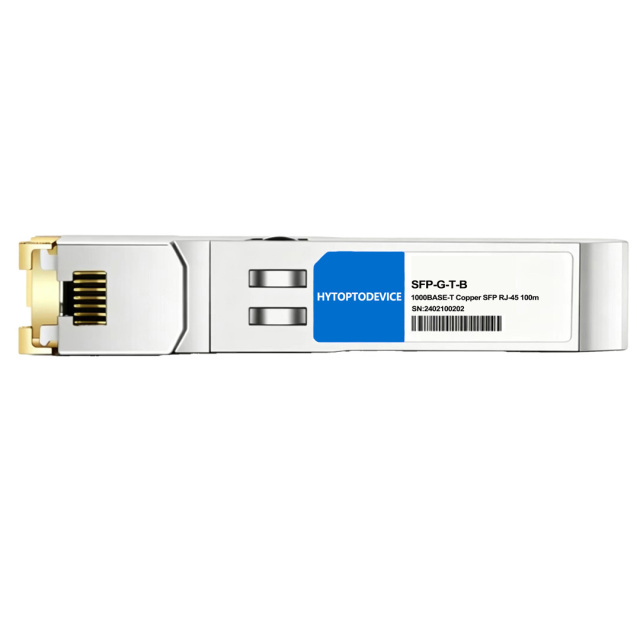
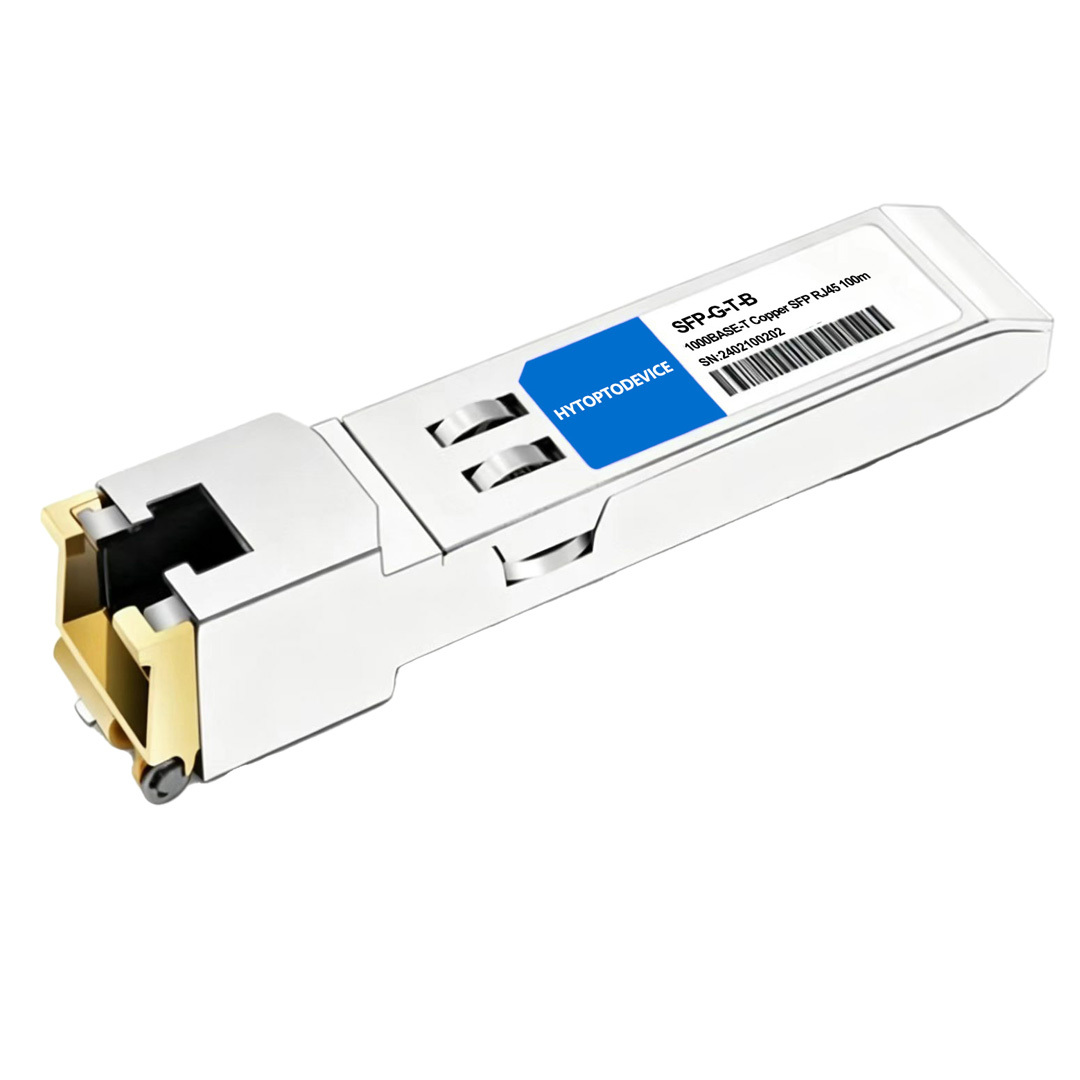
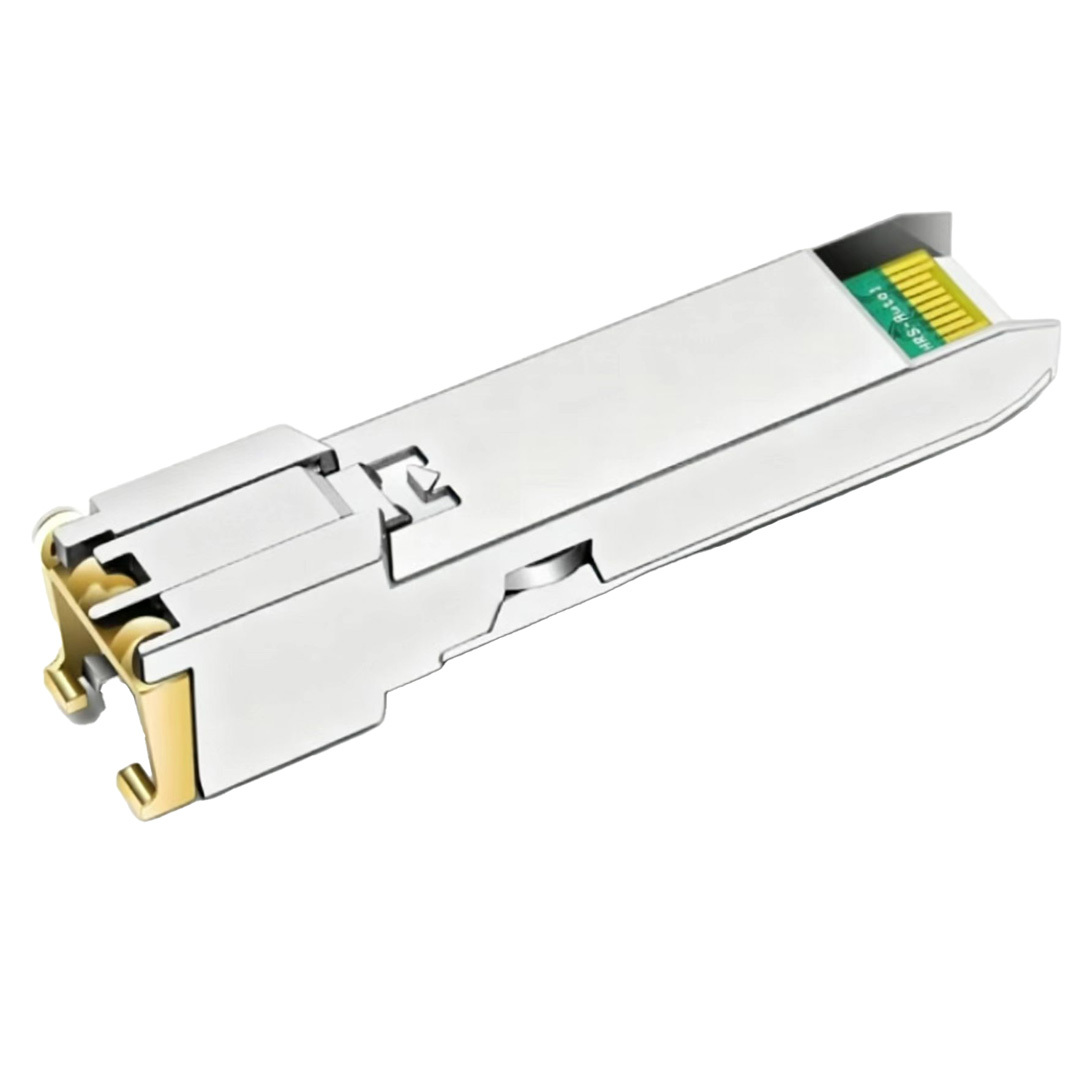
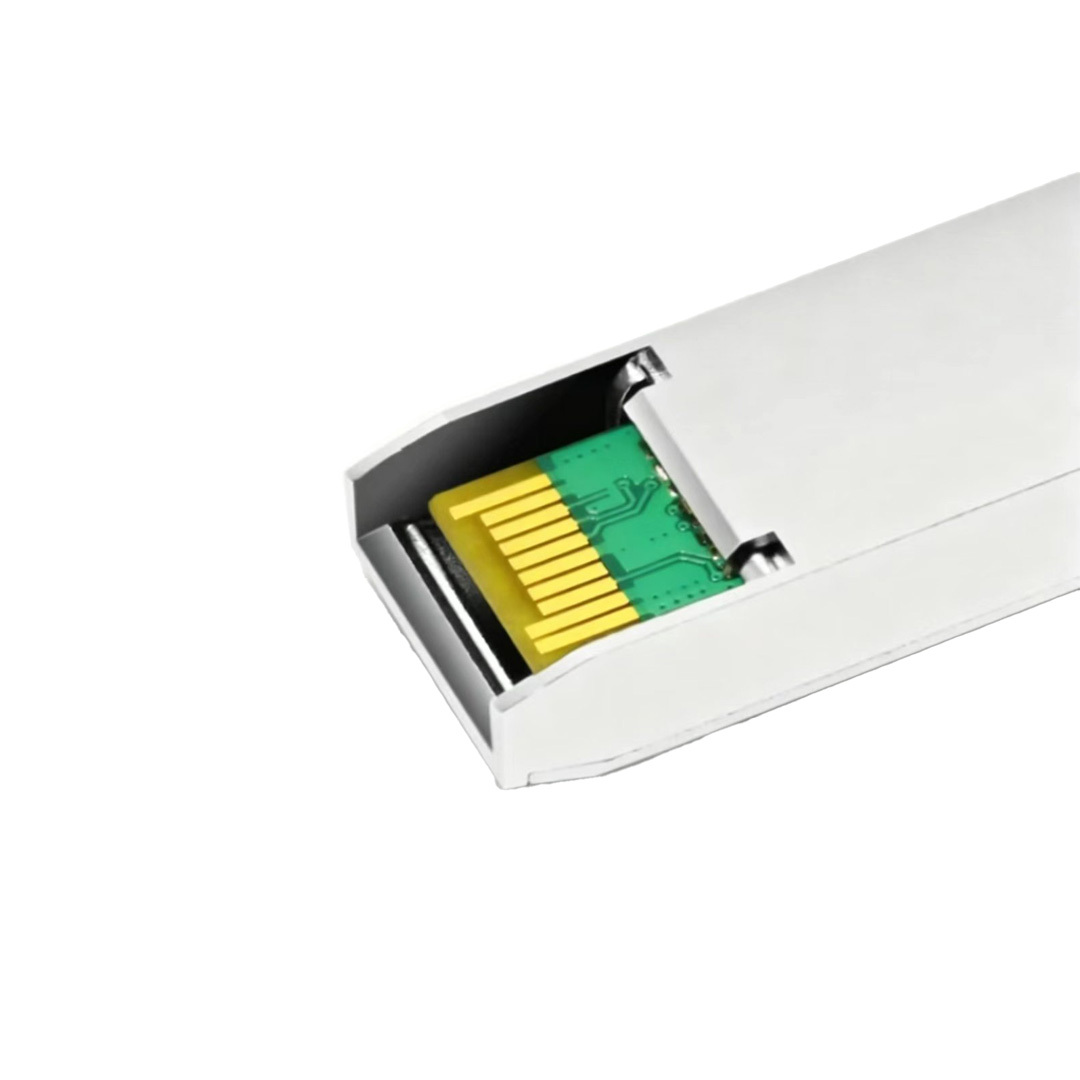
| Avaya Compatible | 700283872 | Vendor Name | HYTOPTODEVICE |
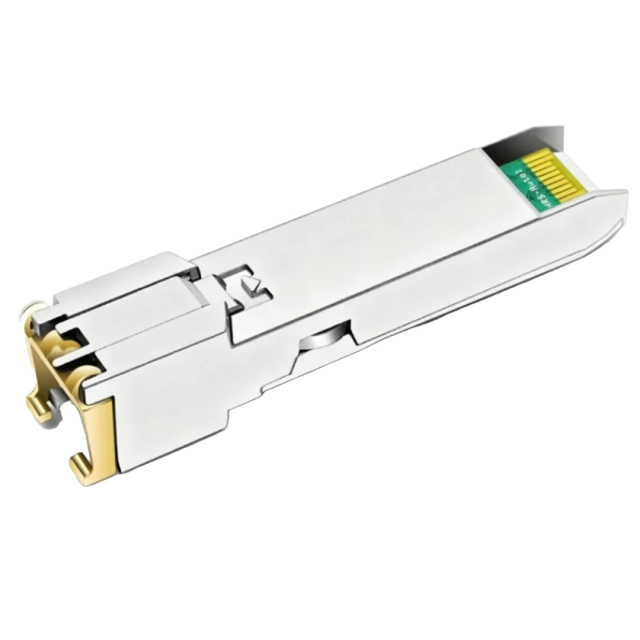
| Form Factor | SFP | Data Rate | 1000Mbps |
| Connector | RJ-45 | Cable Distance | 100m |
| Media | Copper | Cable Type | Cat 5e/6/6a (UTP) |
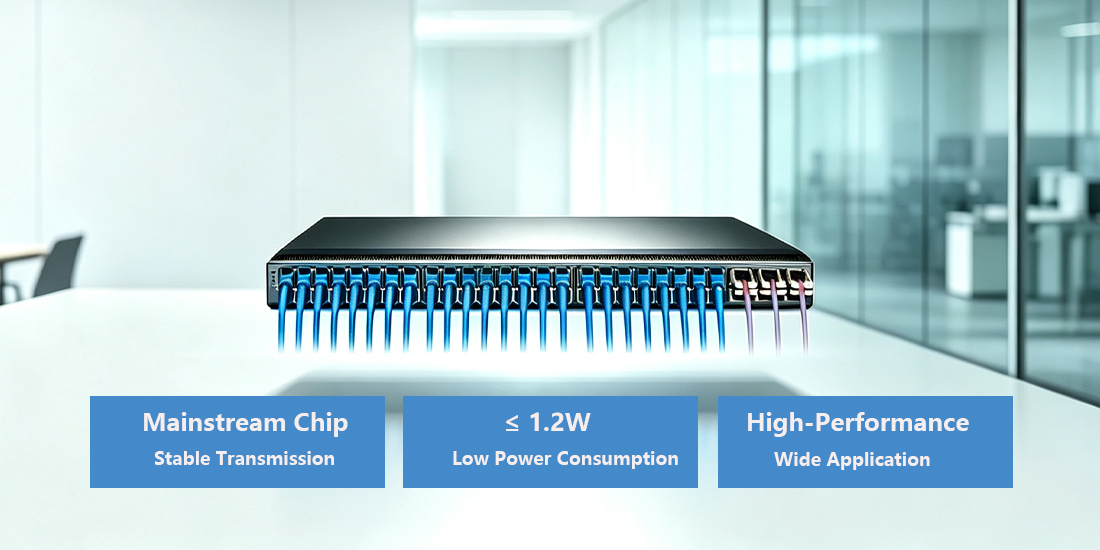
| Max. Power Consumption | ≤1.2W | DDM Support | YES |
| Protocols | MSA Compliant, IEEE STD 802.3 and 802.3ab | Operation Temperature | 0 to 70°C (32 to 158°F) |
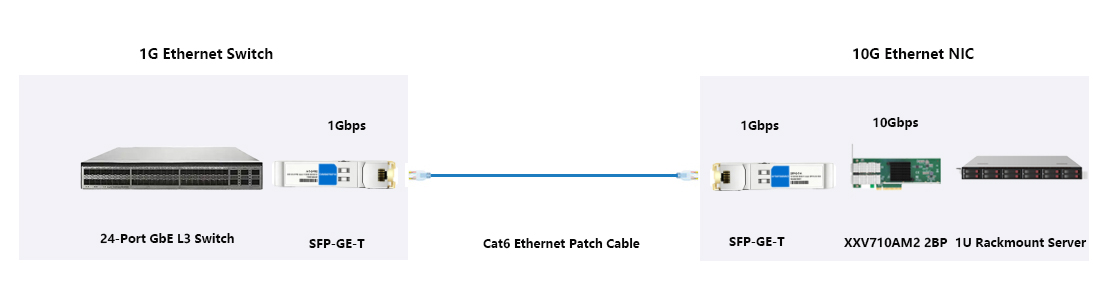
Standard: Cat5e or Cat6 twisted-pair cable is required to achieve full 100-meter Gigabit performance.
Note: Standard Cat5 cable may limit link stability at full 1G speed and is not recommended.
Live Insertion: The SFP RJ45 transceiver supports live insertion and removal.
Precaution: Avoid repeated hot swapping under continuous heavy traffic loads to ensure optimal hardware longevity.
Heat Dissipation: This 1Gbps copper module generates mild heat during operation.
Deployment Advice: Verify the switch thermal budget and ensure adequate ventilation before fully populating all SFP ports.
Fixed Rate: This RJ45 transceiver operates at a fixed 1000Mbps speed only.
Compatibility Warning: It cannot auto-negotiate down to 100Mbps or 10Mbps. The connected peer device must support 1G speed to successfully establish a link.
Storage Environment: Keep unused transceivers stored in dry, ESD-safe packaging.
Dust Protection: Always fit dust caps onto the RJ45 port when the module is not in service.
Built on SFP MSA and IEEE standards, this copper RJ45 transceiver also works with Cisco, Arista, MikroTik, Avaya Nortel and other mainstream network hardware, ideal for mixed-vendor legacy network upgrade projects.
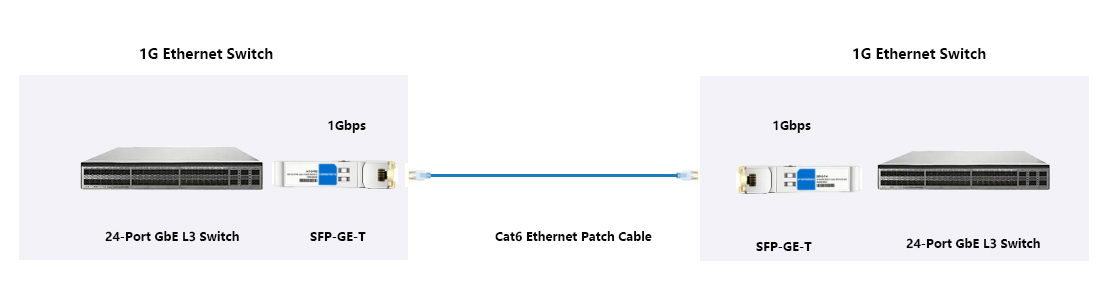
The Core Features


FAQ
Q1: What real-world throughput numbers can network integrators expect from a Copper RJ45 transceiver 1000BASE-T deployment? A: Yes, this HYTOPTODEVICE Avaya 700283872 compatible Copper RJ45 transceiver runs at low ~1.2W power consumption. Even though the 1000BASE-T physical layer delivers raw 1Gbps bandwidth, protocol overhead, cable imperfections and electromagnetic noise limit practical throughput to 940–980 Mbps under ideal deployment. When paired with certified Cat5e/Cat6 wiring within 100m, our copper RJ45 transceiver sustains this consistent gigabit throughput for campus and data center workloads.
Q2: How large is the latency gap between Copper RJ45 transceiver 1000BASE-T links and gigabit fiber transceiver alternatives? A: Copper 1000BASE-T links carry slightly higher latency compared with fiber transceivers. HYTOPTODEVICE SFP Copper RJ45 transceiver adds roughly 0.3–0.6 microseconds of extra latency versus equivalent 1G fiber modules. This minor latency increment works well for campus LAN, surveillance and light storage traffic, while fiber remains preferred for ultra-low latency industrial use cases.
Q3: How will heavy electromagnetic interference affect link stability of a Copper RJ45 transceiver? A: Intense EMI interference will raise packet loss and degrade 1000BASE-T link reliability. The HYTOPTODEVICE Avaya 700283872 compatible Copper RJ45 transceiver integrates built-in signal equalization to resist mild crosstalk, yet heavy EMI sources will trigger bit errors. Deploying shielded copper cabling reduces external noise and preserves stable connectivity inside densely packed equipment racks.
Q4: Can multiple Copper RJ45 transceiver ports be grouped via LACP to boost total network bandwidth? A: Yes, this HYTOPTODEVICE Avaya-compatible Copper RJ45 transceiver fully supports LACP port aggregation. Multiple gigabit ports fitted with our modules can be bundled on Avaya enterprise switches to boost total bandwidth and add link redundancy. LACP aggregation runs on the switch firmware, while each copper RJ45 transceiver maintains native 1000BASE-T operation.
Q5: Does 24/7 continuous heavy data transfer shorten the service life of a Copper RJ45 transceiver? A: Continuous heavy data transmission will not degrade HYTOPTODEVICE 1000BASE-T Copper RJ45 transceiver performance as long as it operates within rated temperature limits. Every Avaya 700283872 compatible transceiver undergoes burn-in testing before shipment to validate long-run reliability. Constant traffic creates only mild heat, so proper rack airflow is essential for non-stop campus network operation.
Q6: Is cable replacement mandatory when upgrading legacy networks with Copper RJ45 transceiver 1000BASE-T? A: No, properly certified Cat5e cabling supports 1000BASE-T connections for up to 100 meters. HYTOPTODEVICE Avaya 700283872 compatible Copper RJ45 transceiver works perfectly on correctly terminated Cat5e cables. Cable replacement is only required when cables suffer physical damage or fail formal cable certification tests.
Q7: Can older standard Cat5 copper wiring deliver stable gigabit performance for a Copper RJ45 transceiver? A: No, legacy Cat5 cables cannot reliably sustain full 1000BASE-T gigabit speed. HYTOPTODEVICE 1000BASE-T Copper RJ45 transceiver requires Cat5e or Cat6 copper media to hold stable gigabit links at the 100m maximum distance. Plain Cat5 wiring only supports steady 100Mbps and often fails to negotiate gigabit links entirely.
Q8: What impact do poor crimping and damaged RJ45 pins bring to Copper RJ45 transceiver gigabit links? A: 1000BASE-T technology is highly sensitive to poor cable termination and faulty RJ45 connectors. Minor wiring faults create crosstalk issues and may prevent the HYTOPTODEVICE Avaya 700283872 compatible Copper RJ45 transceiver from locking a valid 1G link. Always inspect RJ45 pins and verify keystone jack termination before network commissioning.
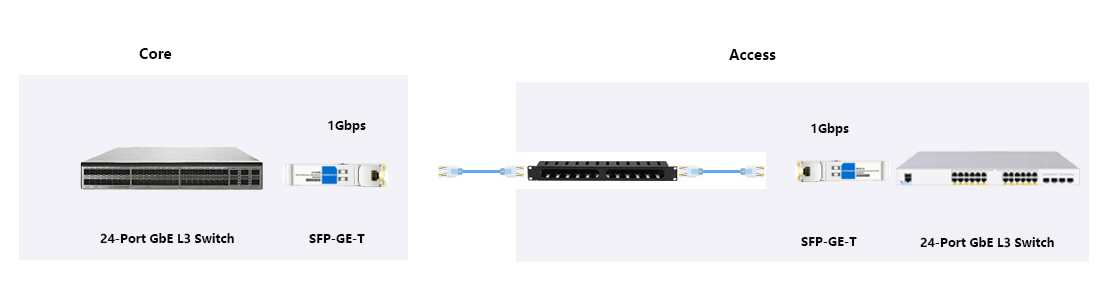
Q9: Will structured cabling with patch panels and wall outlets impact performance of Copper RJ45 transceiver? A: Yes, 1000BASE-T works over patch panels and wall jacks as long as all components meet Cat5e specs and wiring is accurate. HYTOPTODEVICE Copper RJ45 transceivers are engineered for standard structured cabling environments. Too many connection points or low-quality wall jacks accumulate signal loss and reduce gigabit transmission performance.
Q10: What troubleshooting steps apply if gigabit link fails to come up on a Copper RJ45 transceiver? A: Gigabit link failure or fallback to 100Mbps normally stems from cabling or connector faults instead of the HYTOPTODEVICE Avaya 700283872 compatible Copper RJ45 transceiver. This fixed-rate module only supports 1000Mbps and cannot drop to 100Mbps mode; a 100Mbps reading means no valid gigabit connection. Inspect cable damage, bent connector pins and confirm peer hardware supports gigabit operation.
Q11: Does bulk Copper RJ45 transceiver upgrade from old 100Mbps Fast Ethernet deliver solid ROI for branch sites? A: Yes, upgrading to HYTOPTODEVICE Avaya 700283872 compatible Copper RJ45 transceivers delivers strong return of investment for branch office LANs. Our wholesale gigabit copper transceivers offer 10x bandwidth improvement over 100Mbps fast ethernet. This upgrade accelerates file transfers and supports IP cameras and NAS storage without large infrastructure overhauls.
Q12: Are Copper RJ45 transceiver and gigabit switches considered high power consumption hardware for network rollouts? A: No, these 1000BASE-T Copper RJ45 transceivers feature low power draw. The HYTOPTODEVICE Avaya 700283872 compatible SFP transceiver uses low-power hardware design consuming approximately 1.2W. Total power load mainly originates from the switch chassis; adding our gigabit copper RJ45 transceivers only creates a minor power increase.
Q13: What hidden project expenses should network planners budget for bulk Copper RJ45 transceiver mass deployment? A: Primary hidden costs for large-scale 1000BASE-T deployments are cable certification, re-termination and on-site network validation. HYTOPTODEVICE supplies bulk Copper RJ45 transceivers plus sample evaluation service to help wholesalers and integrators reduce project risks. Budgeting for cable testing and spare transceiver inventory prevents costly delays during deployment.
Q14: What service lifespan can network designers expect for 1000BASE-T switches and paired Copper RJ45 transceiver? A: With regular proper maintenance, 1000BASE-T switching hardware can stay operational for 8–12 years. HYTOPTODEVICE Avaya 700283872 compatible Copper RJ45 transceivers match this long service life for Avaya enterprise switching platforms. Gigabit copper access networks remain widely deployed and will not become obsolete anytime soon.
Q15: What on-site test methods verify if installed cabling meets specs for Copper RJ45 transceiver installation? A: Field technicians use professional cable validation testers to inspect wiring quality. These devices measure near-end crosstalk, signal attenuation and return loss to comply with TIA/EIA cabling standards. Complete full cable certification before installing HYTOPTODEVICE Avaya 700283872 compatible Copper RJ45 transceivers to avoid unstable gigabit links after network launch.
Packaging & Custom OEM Solutions
ESD Protection & Fast Shipping: Every module is sealed in an ESD-safe bag and ready for same-day dispatch from stock.
Custom OEM & Branding: We provide logo printing, private labeling, and custom packaging to help distributors and integrators build their brand—no factory investment required.

Why Network Engineers Choose HYTOPTODEVICE
HYTOPTODEVICE has supplied over 5000,000 optical transceiver modules to data centers, ISPs, and enterprise networks across 100+ countries since 2011. Every module undergoes a 72-hour burn-in test and full DDM/DOM validation before shipment.
“Phenomenal performance. We deployed 200 HYTOPTODEVICE SFP modules to replace Cisco OEMs in our backbone network. Result? Zero compatibility issues and a 60% reduction in costs. Highly recommended for mission-critical networks."— Senior Network Engineer, Regional Telecom, Australia
Quality Certification & Compliance
At HYTOPTODEVICE, our quality commitment is backed by industry-standard validations. From fiber optical transceiver manufacturing to final visual inspection, from IQC、IPQC、FQC to OQC, our processes ensure global compliance and reliability.
We adhere to rigorous standards for our SFP modules and network solutions:
ISO 9001: Certified quality management and production consistency.
CE & FCC: Fully compliant for seamless Global Market Access.
RoHS: Committed to environmental responsibility and hazardous material control.
Proven Reliability: Rigorous testing to reduce compliance risk and ensure safety.
Certified Quality. Global Standards. Guaranteed Performance.