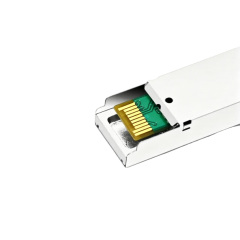
Q1: What is the typical optical link budget for a 100km 1.25G transceiver?
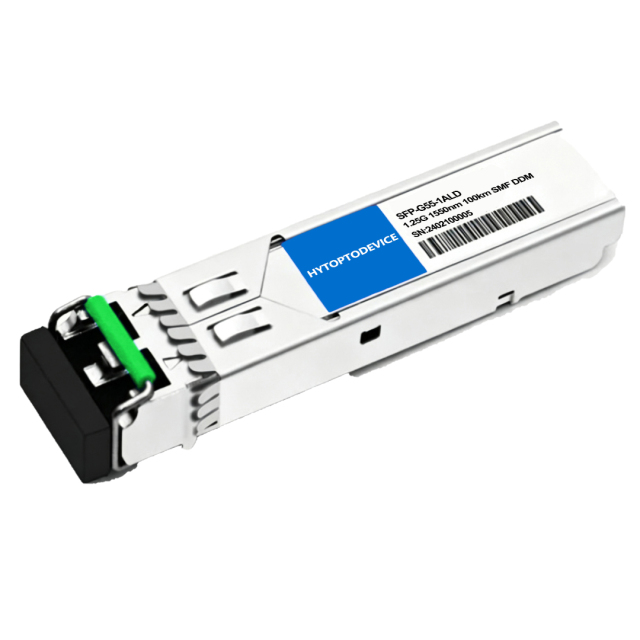
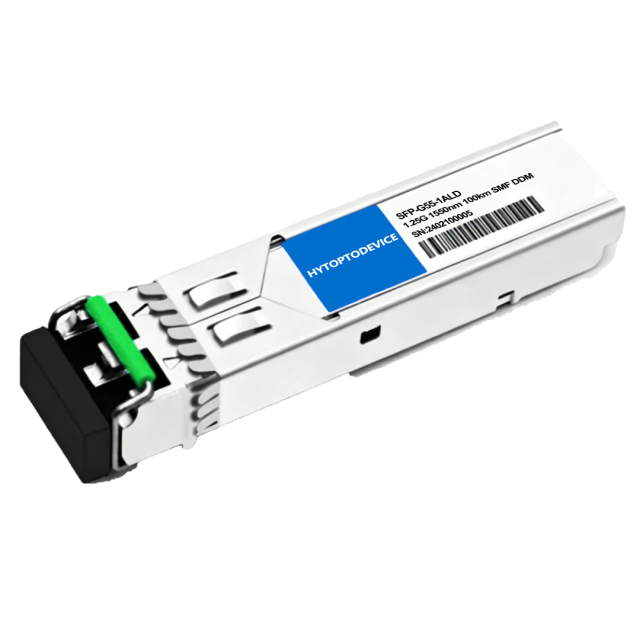
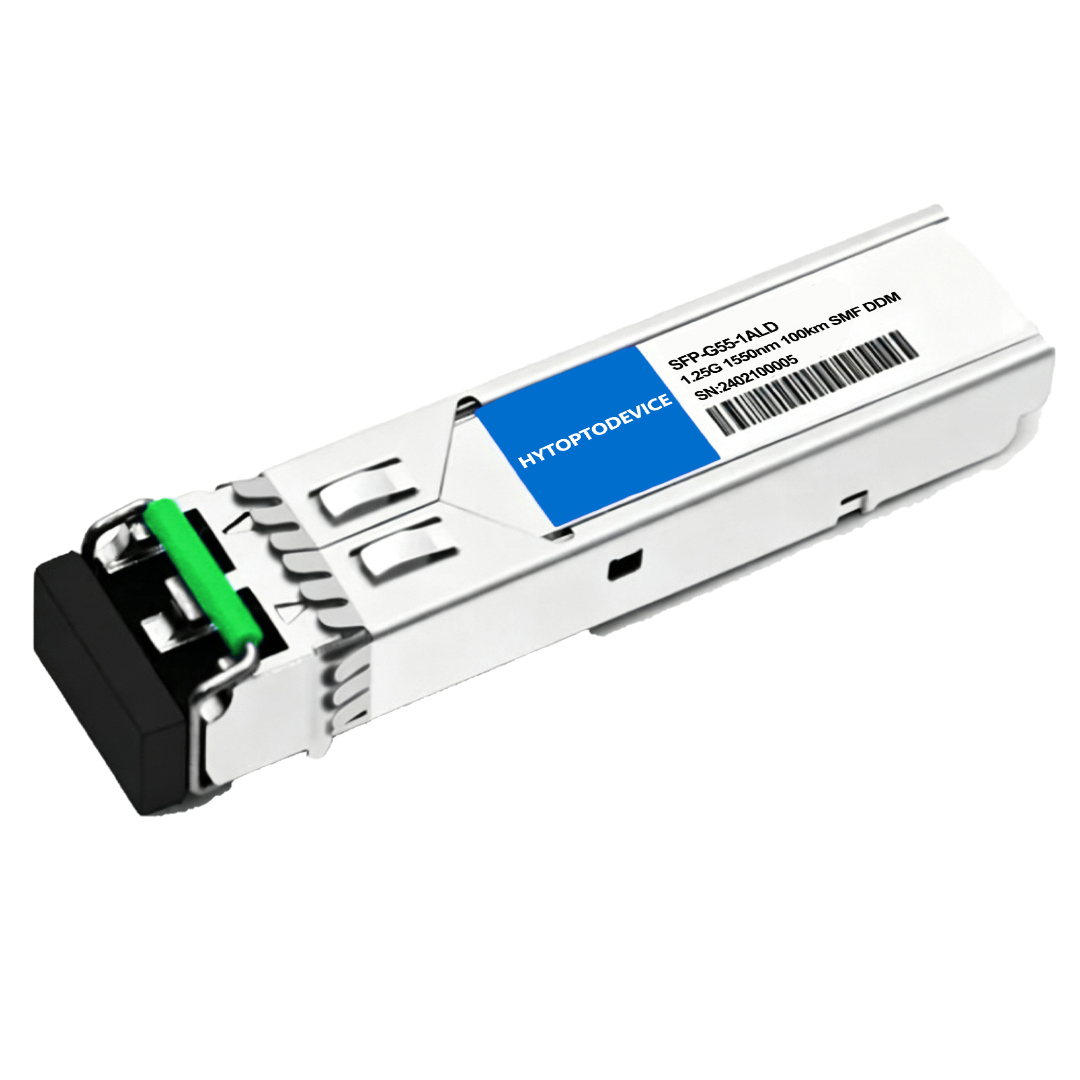
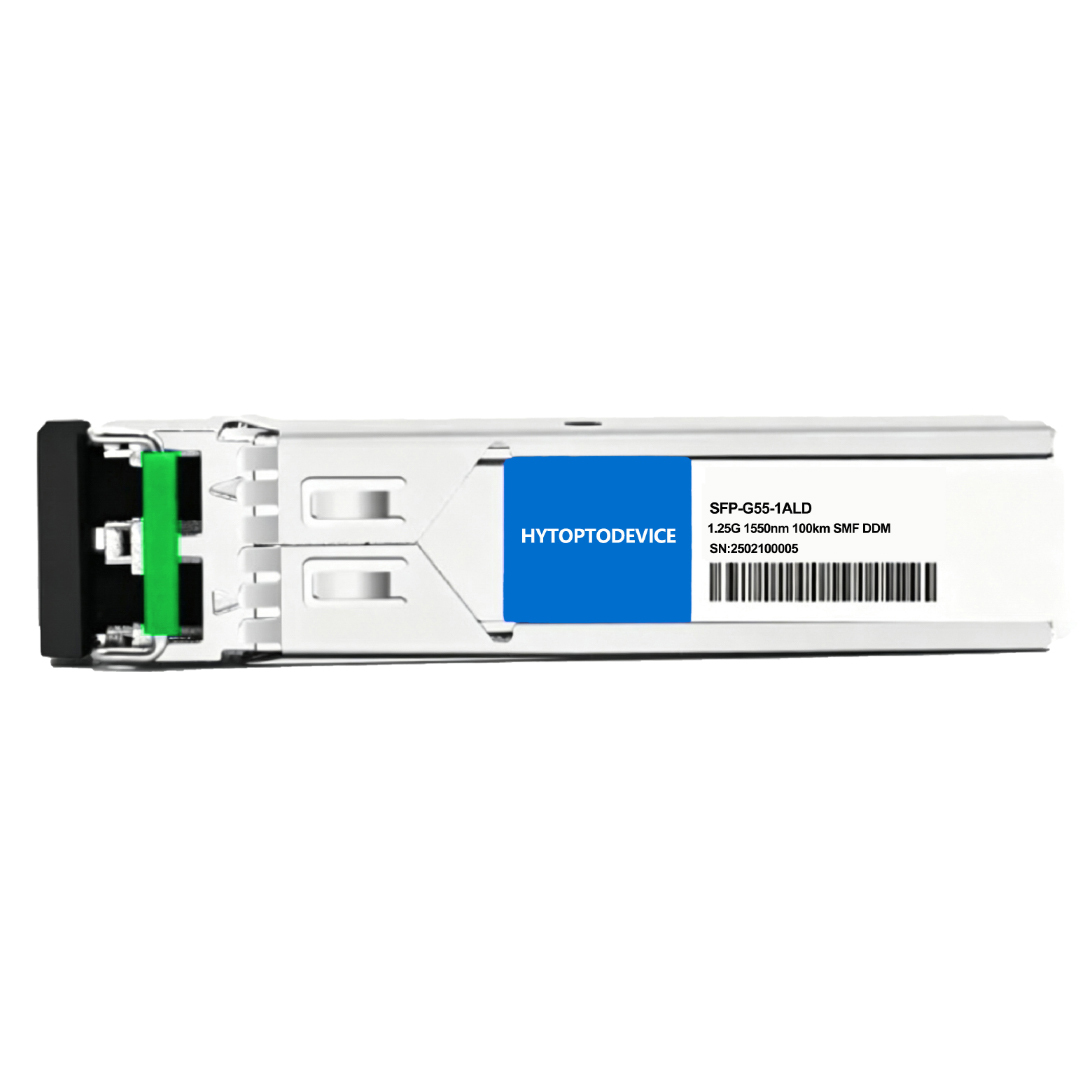
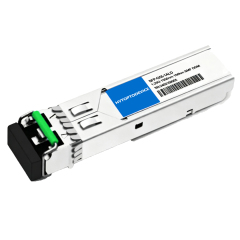
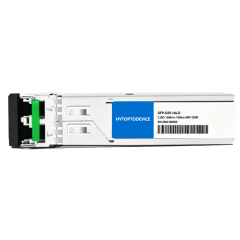
A: This Ruijie MINI-GBIC-ZX100-SM1550 compatible fiber optic transceiver features a professional 28–33dB optical link budget. This ample margin fully offsets 1550nm single-mode fiber attenuation, splicing loss and connector insertion loss, ensuring stable error-free transmission for 100km long-haul links. It is a reliable high-margin fiber optic transceiver solution for enterprise long-distance networking procurement.
Q2: What is the receiver sensitivity for 1.25G 1550nm 100km modules?
A: The 1.25G 1550nm long-haul fiber optic transceiver delivers ultra-high receiver sensitivity of ≤-28dBm. Equipped with premium PIN receiver chips, this Ruijie compatible module captures weak optical signals efficiently at 100km distance, guaranteeing stable link reception and superior overall transmission performance for bulk optical module purchases.
Q3: Can I use this 100km module for a 20km or 40km link?
A: This 100km fiber optic transceiver supports flexible deployment on 20km and 40km medium and short fiber links with the same 1550nm wavelength. To avoid optical power saturation and hardware damage caused by excessive signal power, users must install a 10–15dB optical attenuator during deployment, making it a versatile multi-scenario optical module for project networking.
Q4: What optical fiber type is required for 100km 1550nm transmission?
A: Stable 100km 1550nm long-haul transmission strictly requires standard G.652 single-mode fiber. This Ruijie MINI-GBIC-ZX100-SM1550 compatible fiber optic transceiver perfectly matches the low-attenuation characteristics of G.652 SMF, minimizing signal loss and ensuring consistent long-distance transmission quality for enterprise backbone network construction.
Q5: Will fiber aging or bad splices degrade the 100km link performance over time?
A: Fiber aging, poor splicing and contaminated fiber end faces will increase overall link loss and reduce the optical power budget margin, gradually degrading 100km link stability and causing occasional packet loss. Regular fiber inspection, cleaning and maintenance can maintain optimal operating status of this long-haul fiber optic transceiver for long-term stable operation.
Q6: Does the module support Digital Diagnostics Monitoring (DDM / DOM)?
A: This Ruijie compatible fiber optic transceiver fully supports DDM/DOM digital diagnostic monitoring. It enables real-time monitoring of key operating data including working temperature, transmit optical power, receive optical power and supply voltage, facilitating remote operation and maintenance and real-time fault detection for enterprise network management.
Q7: What is the maximum power consumption of a 1.25G 100km SFP?
A: This high-efficiency 1.25G 100km SFP fiber optic transceiver features ultra-low power consumption design, with the maximum power consumption strictly less than 1W under standard 3.3V operating voltage. Its energy-saving chip structure effectively reduces long-term power consumption of enterprise network equipment, making it an ideal low-power fiber optic transceiver for large-scale bulk deployment and long-term network operation.
Q8: Is a Dispersion Compensation Module (DCM) required for 100km at 1.25G?
A: No additional DCM dispersion compensation module is required. Optimized for 1550nm wavelength and low-rate 1.25G transmission, this fiber optic transceiver produces negligible chromatic dispersion within 100km G.652 fiber links, achieving stable transmission without extra auxiliary equipment and simplifying network deployment costs.
Q9: Does it support SONET/SDH protocols like OC-24 / STM-8?
A: This 1000BASE-EZX fiber optic transceiver is mainly optimized for Gigabit Ethernet transmission. It supports common enterprise network transmission protocols and is compatible with conventional OC-24 and STM-8 SONET/SDH standard transmission scenarios, meeting multi-protocol access demands for diversified enterprise network projects.
Q10: Is the EEPROM compliant with SFF-8472 standards?
A: This Ruijie MINI-GBIC-ZX100-SM1550 compatible fiber optic transceiver strictly complies with SFF-8472 industry standards. The customized EEPROM firmware perfectly matches Ruijie device verification protocols, realizing plug-and-play, zero-alarm identification and ensuring full compatibility with mainstream enterprise network equipment.
Q11: Can this module auto-negotiate to 100Mbps (100BASE-FX)?
A: This fiber optic transceiver is a fixed gigabit-rate module designed for 1.25Gbps Gigabit Ethernet transmission. It does not support auto-negotiation down to 100Mbps 100BASE-FX rate, ensuring stable gigabit long-haul transmission performance without rate fluctuation for professional backbone network links.
Q12: Can I re-code the EEPROM in the field?
A: The EEPROM firmware of this Ruijie dedicated fiber optic transceiver is pre-programmed and optimized for Ruijie device compatibility. On-site secondary coding is not recommended. We support professional factory customized firmware modification services to meet personalized equipment matching and bulk project customization needs.
Q13: Will this 1.25G module work in an SFP+ 10G port?
A: This 1.25G SFP fiber optic transceiver is compatible with mainstream SFP+ 10G ports through downward compatibility design. It can work normally on 10G enterprise switches and routers, realizing gigabit long-haul transmission on existing 10G port devices and maximizing the utilization rate of customer existing network equipment.
Q14: What temperature grades are available for this module?
A: This standard commercial-grade fiber optic transceiver supports a stable operating temperature range of 0℃ to 70℃, adapting to conventional indoor enterprise computer rooms and network equipment environments. For special outdoor or industrial high and low temperature scenarios, we support customized temperature-grade module bulk orders and exclusive quotation services.
Q15: Why is the Link LED off after plugging in the 100km SFP on both ends?
A: The unlit Link LED is mainly caused by incorrect TX/RX fiber polarity, mismatched fiber type, poor end face cleanliness or insufficient optical power margin. It is recommended to check fiber connection polarity, use standard G.652 single-mode fiber and clean fiber end faces to restore normal link connection of the fiber optic transceiver.