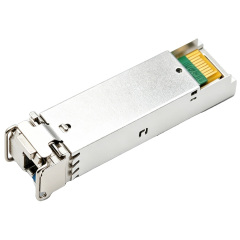
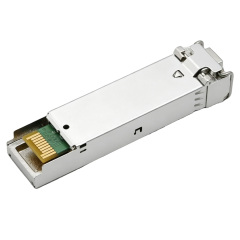
Q1: Do short-range fiber links require the use of optical attenuators?
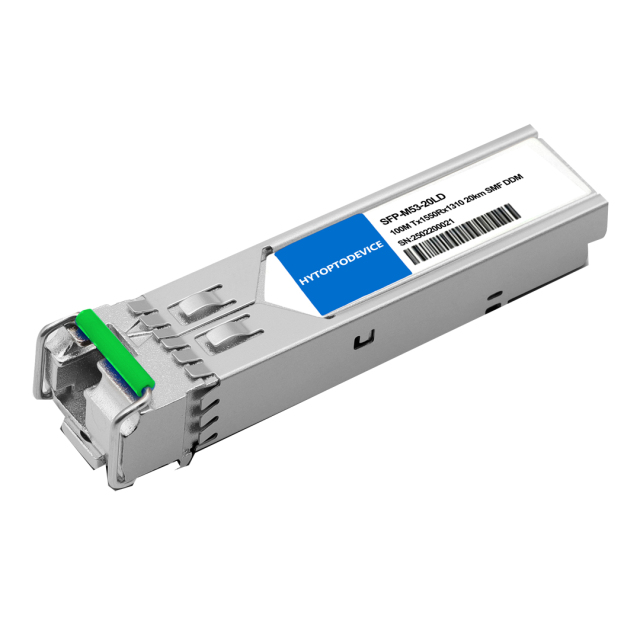
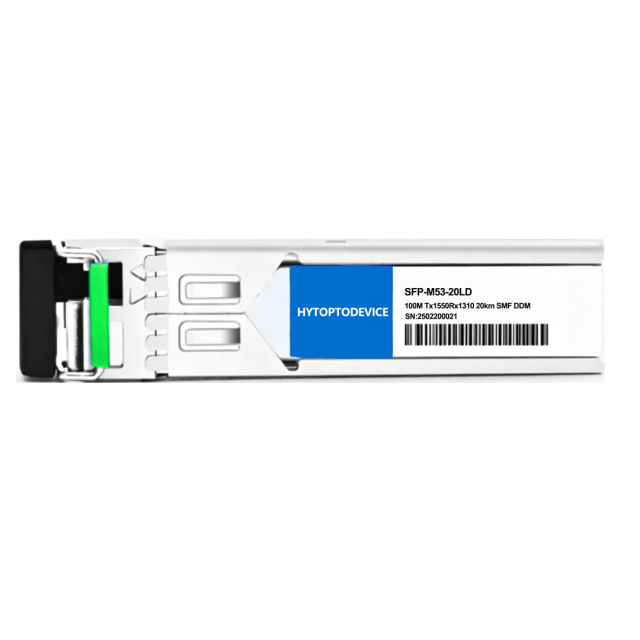
A: No optical attenuator is required for short-distance deployment. This SFP BIDI module features low transmit power (-14 ~ -8dBm) and -8dBm receiver overload threshold, preventing signal overload for short-range links. Always verify parameters with the official datasheet.
Q2: Will fiber splicing and multiple connectors affect the 20km long-distance link stability?
A: Each fiber splice adds ~0.1dB loss and each connector adds 0.3–0.5dB loss. Ensure total cumulative loss does not exceed the module’s 18dB optical power budget to maintain stable 20km error-free transmission.
Q3: What factors commonly trigger unstable transmission and data loss on BIDI fiber links?
A: Packet loss and high BER are mainly caused by dirty end faces, improper APC connectors, excessive fiber loss beyond 18dB budget, over-distance deployment or high-temperature operation. Clean ports and use standard UPC single-mode fiber to resolve issues.
Q4: Why is standard loopback testing invalid for single-fiber BIDI transceivers?
A: Local loopback testing does not work for SFP BIDI modules due to fixed Tx/Rx wavelength separation. Test module validity via end-to-end pairing with a complementary 100BASE-BX-U SFP BIDI module.
Q5: Is this Juniper BIDI SFP module compatible with ordinary unmanaged media converters?
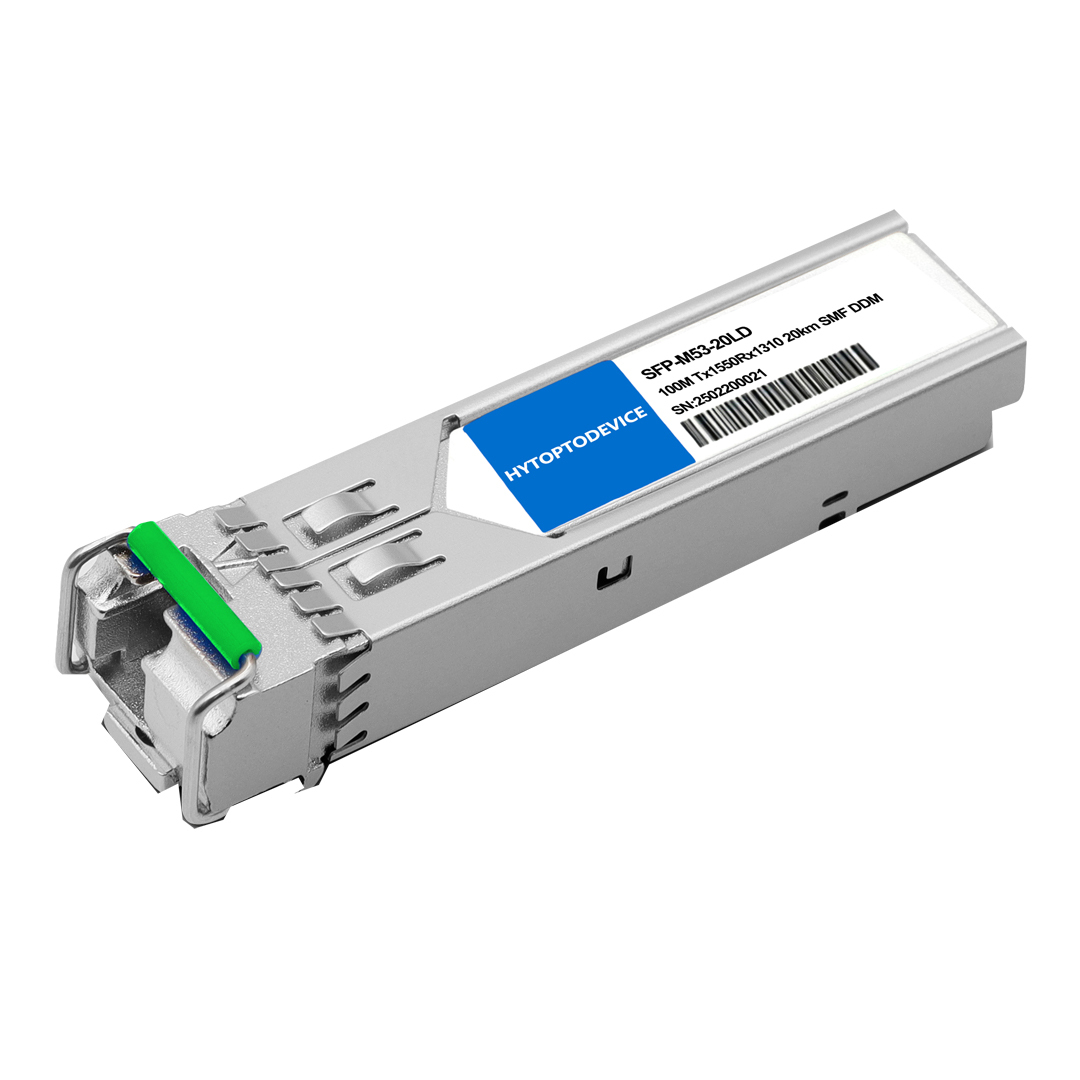
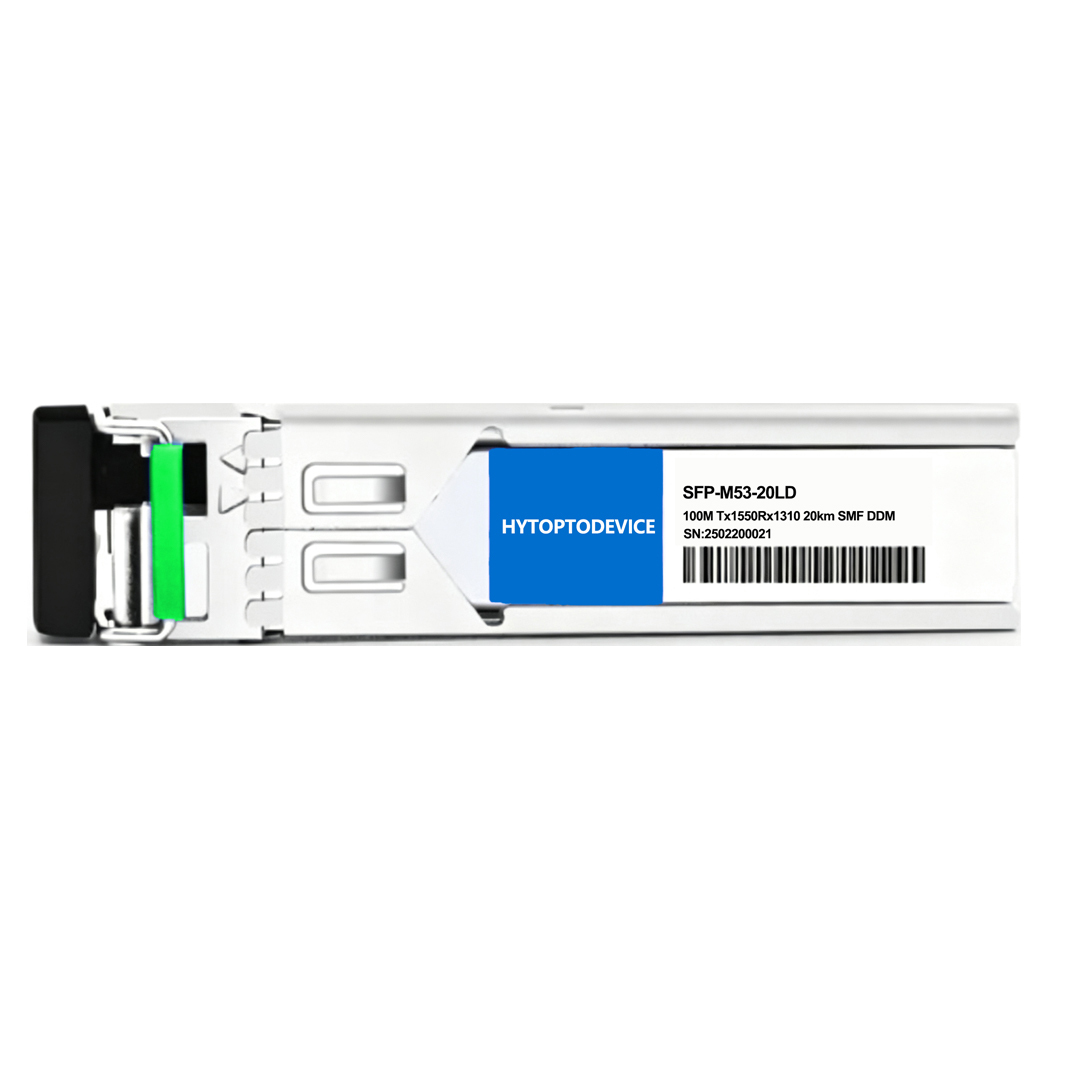
A: Yes. This Juniper compatible SFP BIDI module works with all standard 100Mbps unmanaged media converters. Plug-and-play and fully IEEE/MSA compliant for stable short and long-range networking.
Q6: What maintenance measures are needed for unused SFP BIDI module ports?
A: Always cover idle SFP ports with dust caps. Exposed ports accumulate dust and moisture, increasing optical loss and causing intermittent packet loss or premature module failure.
Q7: How reliable is this series of SFP BIDI modules for long-term continuous operation?
A: These SFP BIDI modules feature industrial-grade build quality with an MTBF of 1,000,000 hours, supporting reliable 7×24-hour continuous operation under standard commercial temperatures.
Q8: Can BIDI optical modules of different transmission distances communicate with each other?
A: Yes. 10km and 20km 100BASE-BX transceivers can interwork if they use complementary 1310nm/1550nm wavelengths and receive optical power stays within safe thresholds.
Q9: How does extreme ambient temperature affect the operation of BIDI optical links?
A: Extreme temperature fluctuations cause laser wavelength and power drift, triggering intermittent link drops. Standard modules work 0°C–70°C; choose industrial-grade (-40°C–85°C) versions for harsh outdoor environments.
Q10: Are cross-brand paired BIDI SFP modules recommended for network deployment?
A: Technically interoperable but not recommended. Different vendors have inconsistent power calibration and DDM thresholds, which may cause unstable long-term links. Use same-brand paired SFP BIDI modules for best stability.
Q11: What signs indicate possible fiber cable faults through module monitoring data?
A: Check port status and DDM data. Zero or extremely low received power indicates fiber breakage. Severe power fluctuation suggests poor connections or hidden fiber damage.
Q12: What accessories come standard with the Juniper compatible SFP BIDI module?
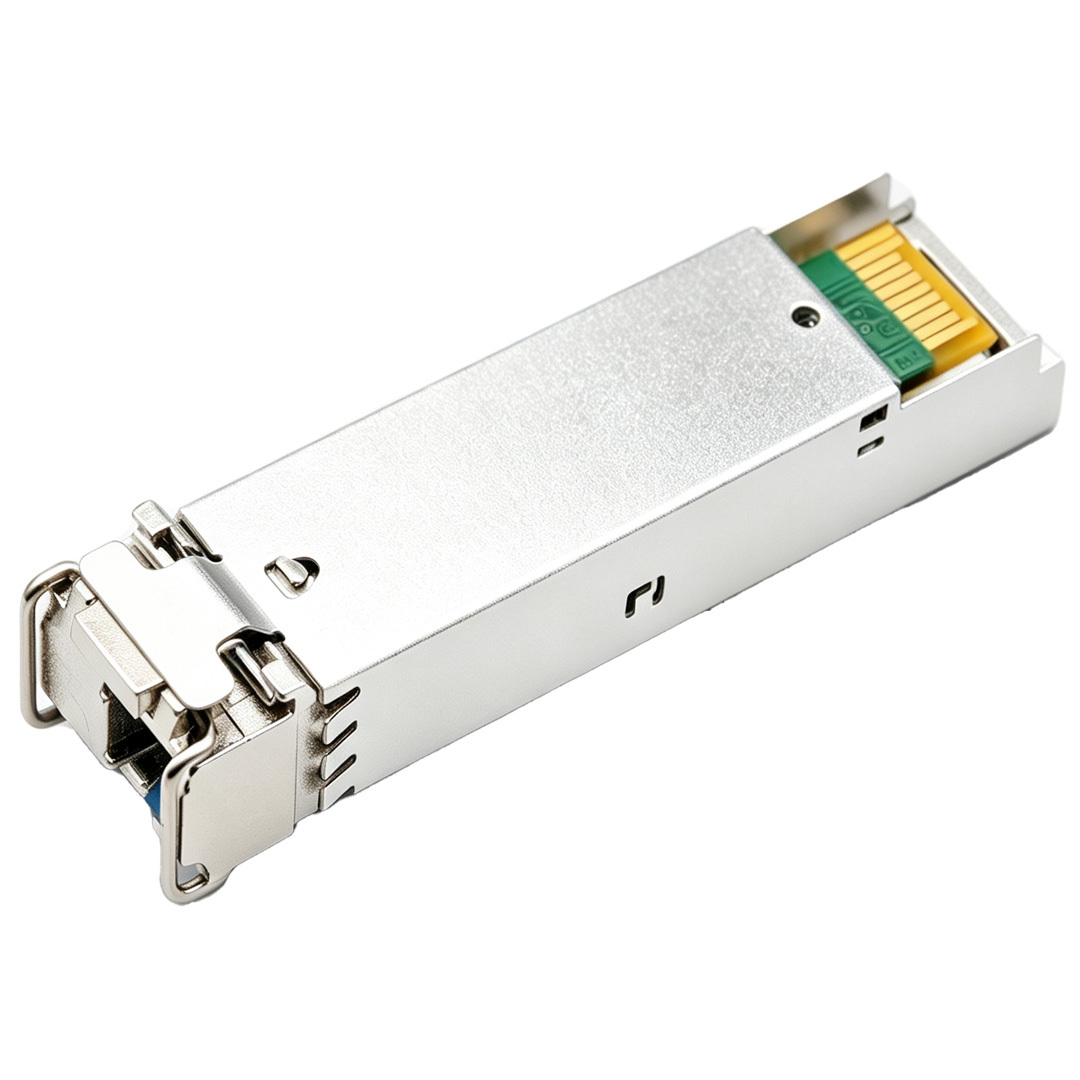
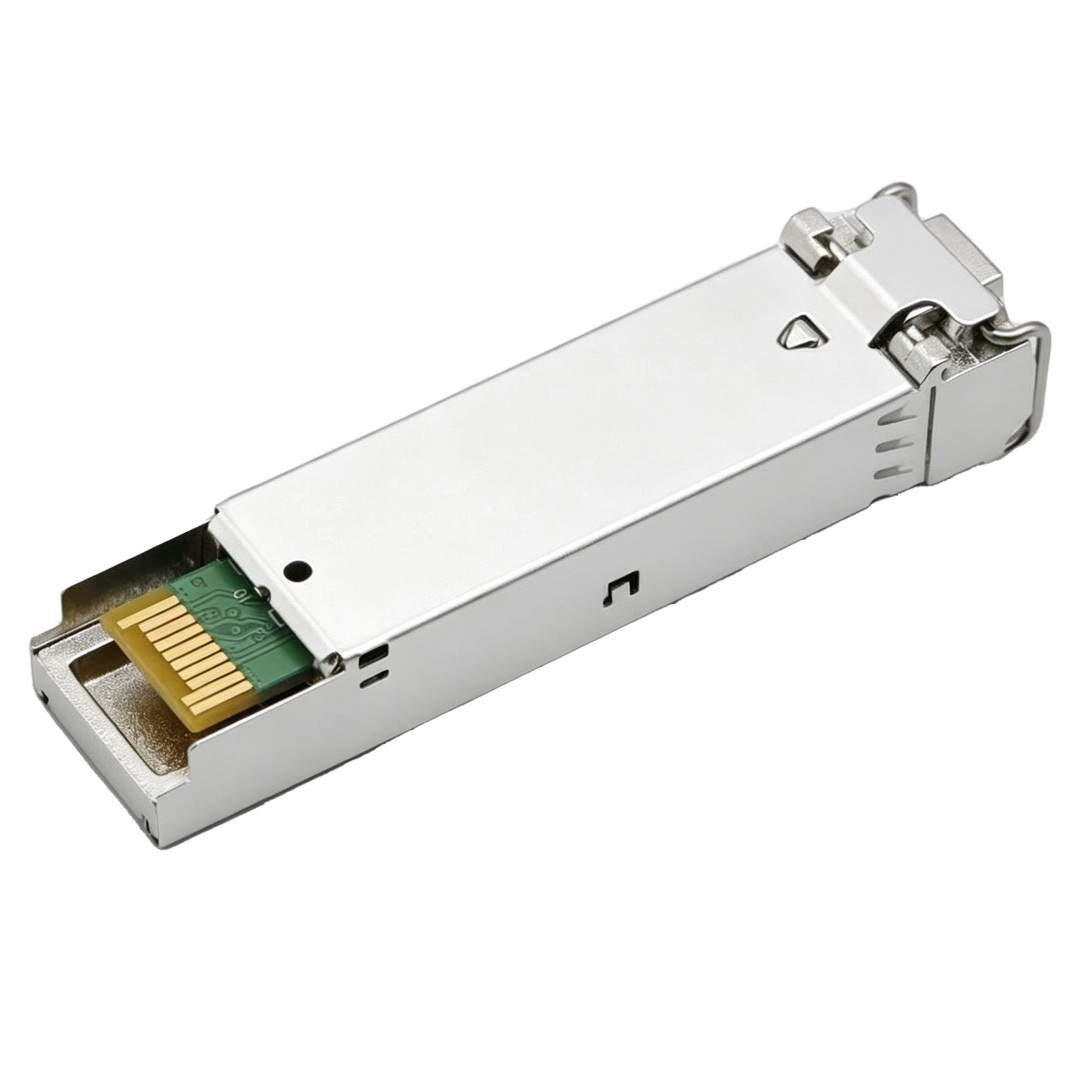
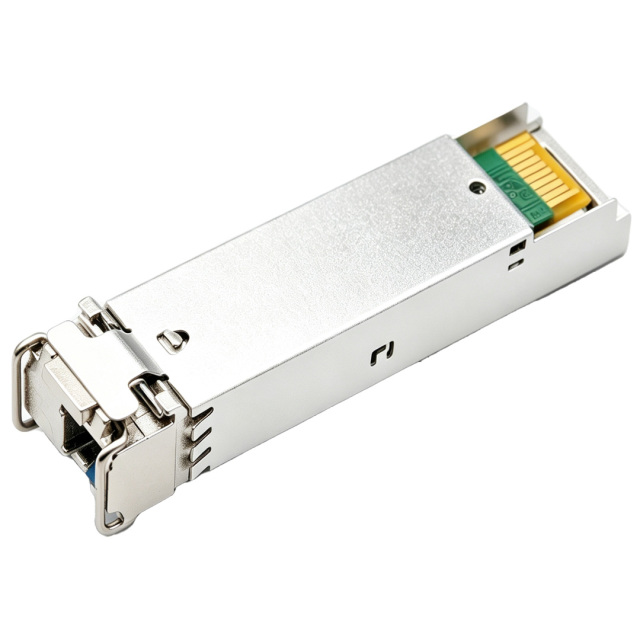
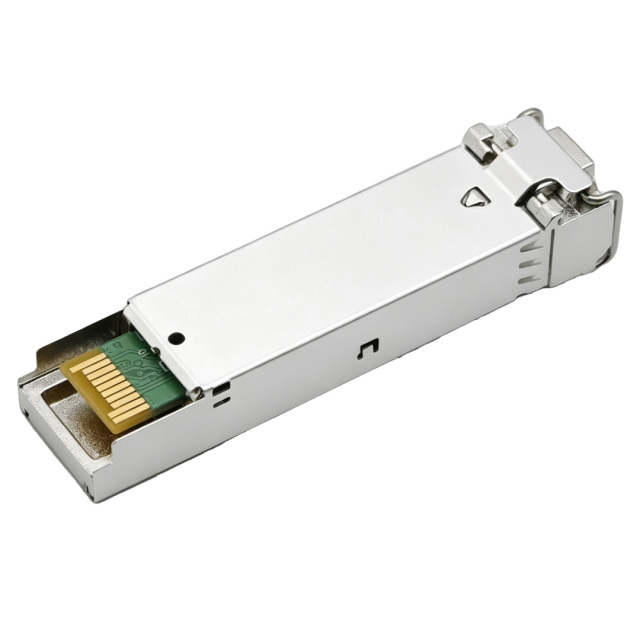
A: Each SFP BIDI module comes with a protective dust cap and is packaged in an anti-static bag. No extra accessories are included.