Q1: What happens if my singlemode fiber link is shorter than 2km (e.g., 100 meters)? Will it burn the receiver?
A: For standard 100BASE‑LX (10km) SFP Module: No, it will not burn the receiver. Standard 10km LX modules feature a maximum Tx launch power of ‑8 dBm to ‑15 dBm and a maximum Rx overload threshold of ‑3 dBm to 0 dBm. Since the maximum transmitter power is lower than the maximum receiver tolerance, the receiver remains safe even on 0‑meter ultra‑short fiber links. This Juniper EX‑SFP‑1FE‑LX compatible SFP Module follows strict industry‑standard optical design for reliable short‑range operation.
Q2: Can I use UPC vs. APC fiber patch cables with 100BASE‑LX transceivers?
A: This 100BASE‑LX SFP Module is engineered for standard UPC‑polished LC fiber connectors, matching conventional G.652 single‑mode patch cables perfectly. APC cables cause excessive insertion loss and reflectance mismatch, triggering unstable links and random packet loss. Always deploy UPC‑terminated fiber cables for consistent SFP Module operating stability.
Q3: Does 100BASE‑LX work over OS1 and OS2 singlemode fibers?
A: This Juniper compatible 100BASE‑LX SFP Module fully supports both OS1 and OS2 single‑mode fiber grades. Both fiber types comply with 1310nm wavelength transmission standards, allowing this SFP Module to deliver consistent 10km 100Mbps performance for indoor and outdoor enterprise fiber deployments.
Q4: Why am I getting high Bit Error Rate (BER) or packet loss on my 10km link?
A: High BER and packet loss on 10km long‑distance links are mainly caused by dirty fiber connectors, excessive fiber bending, poor splicing joints, or mismatched fiber specifications. This high‑quality SFP Module reserves sufficient power margin; regular port cleaning and standardized fiber layout can eliminate most link instability issues.
Q5: How do I know if the optical laser has degraded or failed?
A: Users can monitor laser operating status in real time via the SFP Module’s DDM diagnostic function. Gradually decreased transmit optical power, fluctuating working temperature, and persistent link flapping are typical laser degradation signs. Complete optical signal loss and link outage indicate total laser failure of the 100BASE‑LX transceiver.
Q6: How can I test if the 100BASE‑LX transceiver itself is faulty?
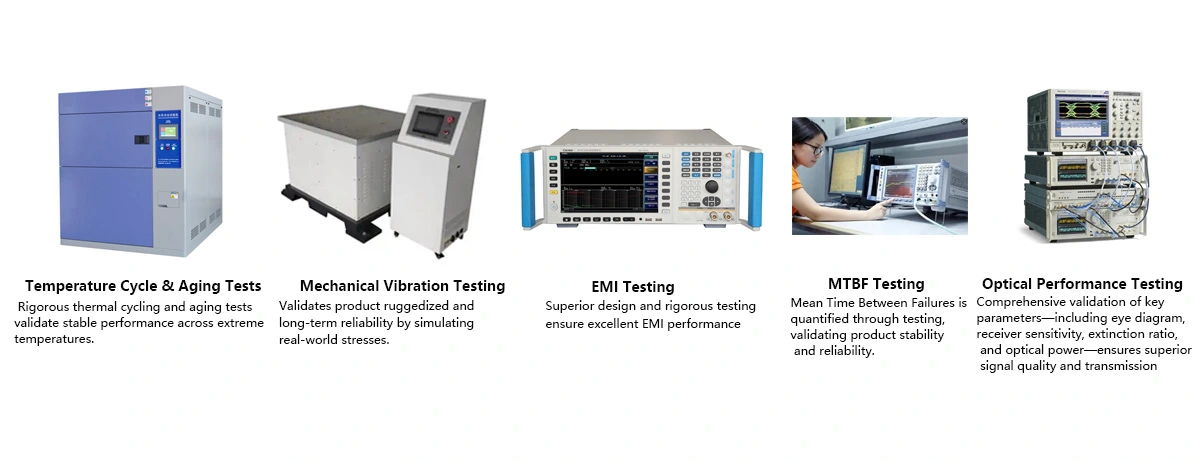
A: Verify SFP Module integrity through multiple professional testing methods: swap with a known‑good working module for contrast testing, check DDM optical parameter data via switch CLI, inspect physical port contamination, and test link status with standard single‑mode fiber. Consistent transmission failure confirms a faulty 100BASE‑LX SFP Module.
Q7: What is the difference between 100BASE‑LX and 100BASE‑EX or ZX?
A: 100BASE‑LX SFP Module supports 1310nm wavelength and 10km transmission for regular campus networking. 100BASE‑EX extends transmission distance to 40km, while 100BASE‑ZX reaches 80km with upgraded optical power budgets. Our EX‑SFP‑1FE‑LX module strictly follows 10km LX specifications for standard short‑to‑medium enterprise links.
Q8: Is 100BASE‑LX available in SFP, SFP+, or fixed RJ45 formats?
A: The 100BASE‑LX industry standard only supports traditional SFP package formats, consistent with our Juniper EX‑SFP‑1FE‑LX SFP Module design. It is incompatible with 10G SFP+ high‑speed ports and electrical RJ45 copper ports with no cross‑format adaptive capability.
Q9: Does the 1310nm Fabry‑Perot (FP) laser degrade faster in high heat?
A: Long‑term ultra‑high temperature operation accelerates FP laser chip aging and shortens the service life of 100BASE‑LX SFP Module. This commercial‑grade transceiver supports stable operation within 0°C~70°C; working within the rated temperature range effectively avoids rapid laser degradation and ensures long‑term batch deployment stability.
Q10: Why are original OEM 100BASE‑LX transceivers so expensive compared to third‑party optics?
A: Official OEM transceivers carry brand premium, patent authorization and overpriced after‑sales services, leading to high enterprise procurement costs. Our third‑party Juniper compatible SFP Module retains full 100BASE‑LX performance and zero‑alarm compatibility, providing cost‑effective bulk procurement solutions without sacrificing network stability.
Q11: Will using a third‑party 100BASE‑LX module void my switch OEM warranty?
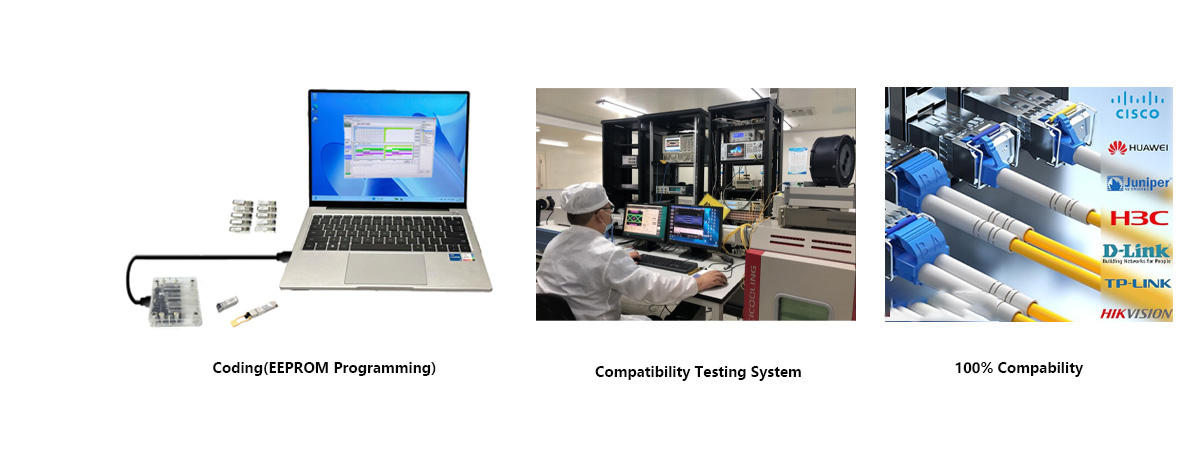
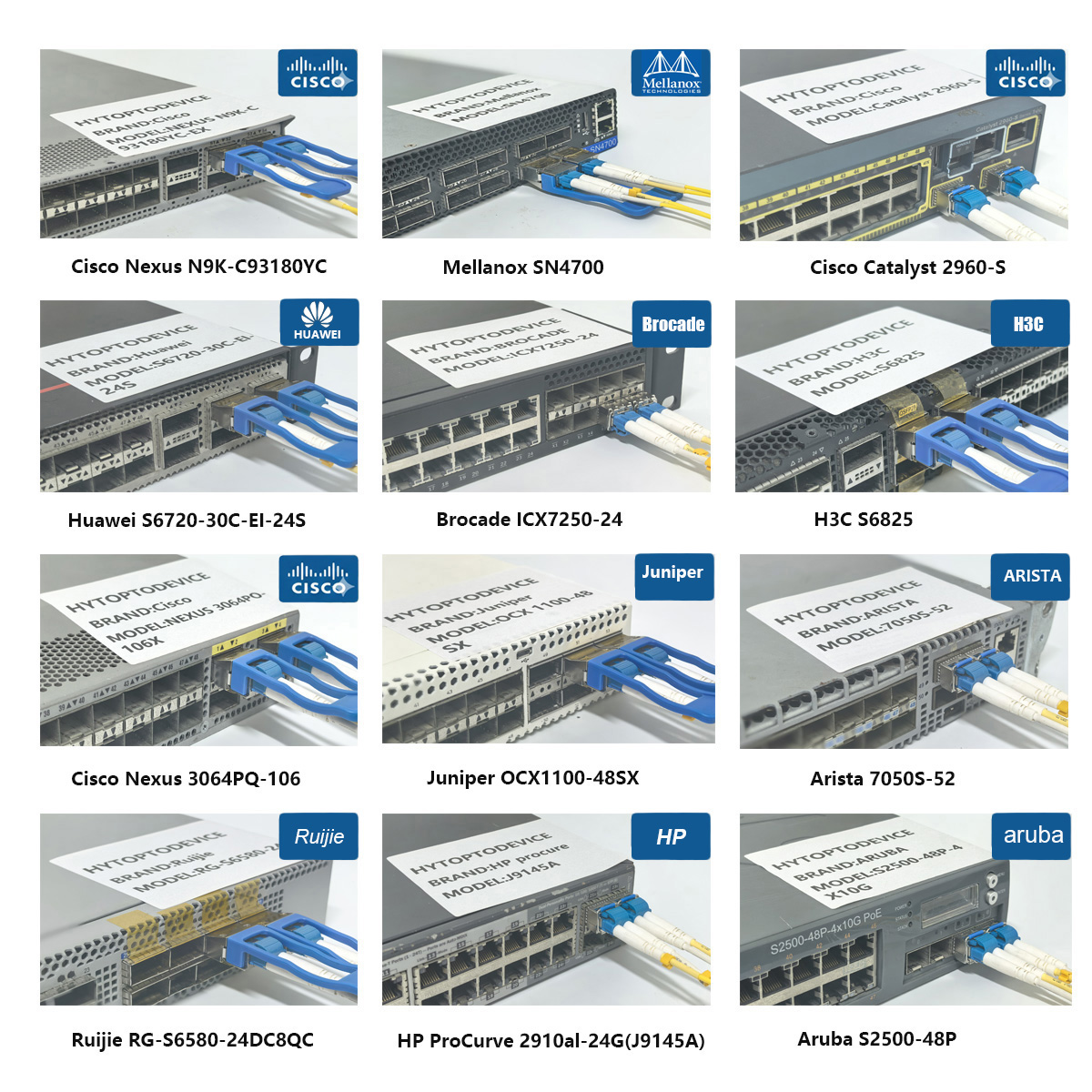
A: Standard compliant third‑party SFP Module will not void Juniper switch OEM warranties. Our EX‑SFP‑1FE‑LX transceiver strictly complies with MSA and IEEE industry standards, features stable protocol compatibility, and causes no hardware conflicts with original Juniper switching devices.
Q12: Is the laser in a 100BASE‑LX transceiver safe to look into directly?
A: Direct eye exposure to the internal laser of a working 100BASE‑LX SFP Module is unsafe and strictly prohibited. Though classified as Class 1 laser, long‑term or close‑range viewing may cause irreversible retinal damage. Always power off the module and cap optical ports before manual inspection.
Q13: Can I downgrade a 1000BASE‑LX port to run at 100BASE‑LX speed?
A: Most Juniper dual‑rate SFP ports support automatic speed downgrade and negotiation. This 100BASE‑LX SFP Module can be normally identified on 1000BASE‑LX gigabit ports, automatically locking at 100Mbps speed to realize seamless adaptation of gigabit ports for Fast Ethernet networking.