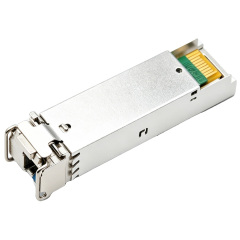
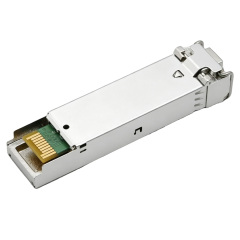
Q1: Do I need an optical attenuator for short-distance deployment?
A: No external optical attenuator is required for short-distance deployment, for 20km Fast Ethernet optics, as their output power is relatively low. This module features a transmit power range of -14dBm to -8dBm and a receiver overload threshold of -8dBm, which avoids signal overload in short-range scenarios. However, you should check the receiver overload threshold in the datasheet to confirm stable short-distance transmission performance.
Q2: What happens if there are multiple splices or patch panels on my fiber run?
A: Each splice adds ~0.1 dB and each connector adds ~0.3 dB to 0.5 dB of insertion loss. Ensure the cumulative loss across the fiber span does not exceed the optical power budget of 18dB. This sufficient power margin can well tolerate conventional splicing and connector loss, ensuring stable and error-free long-distance transmission.
Q3: Why am I getting high Bit Error Rate (BER) or packet loss on my link?
A: High BER and packet loss mainly stem from four common causes. First, contaminated or scratched LC port end faces lead to poor optical signal transmission. Second, non-compliant APC patch cords or low-quality single-mode fiber cause excessive insertion loss. Third, excessive fiber splice loss or over-distance deployment exceeds the module’s power budget tolerance. Fourth, high temperature operation or unstable device ports degrade module performance. Cleaning optical ports, using standard UPC simplex fiber cords and optimizing link loss can effectively resolve these issues.
Q4: Can I run a local physical loopback test on a BiDi SFP?
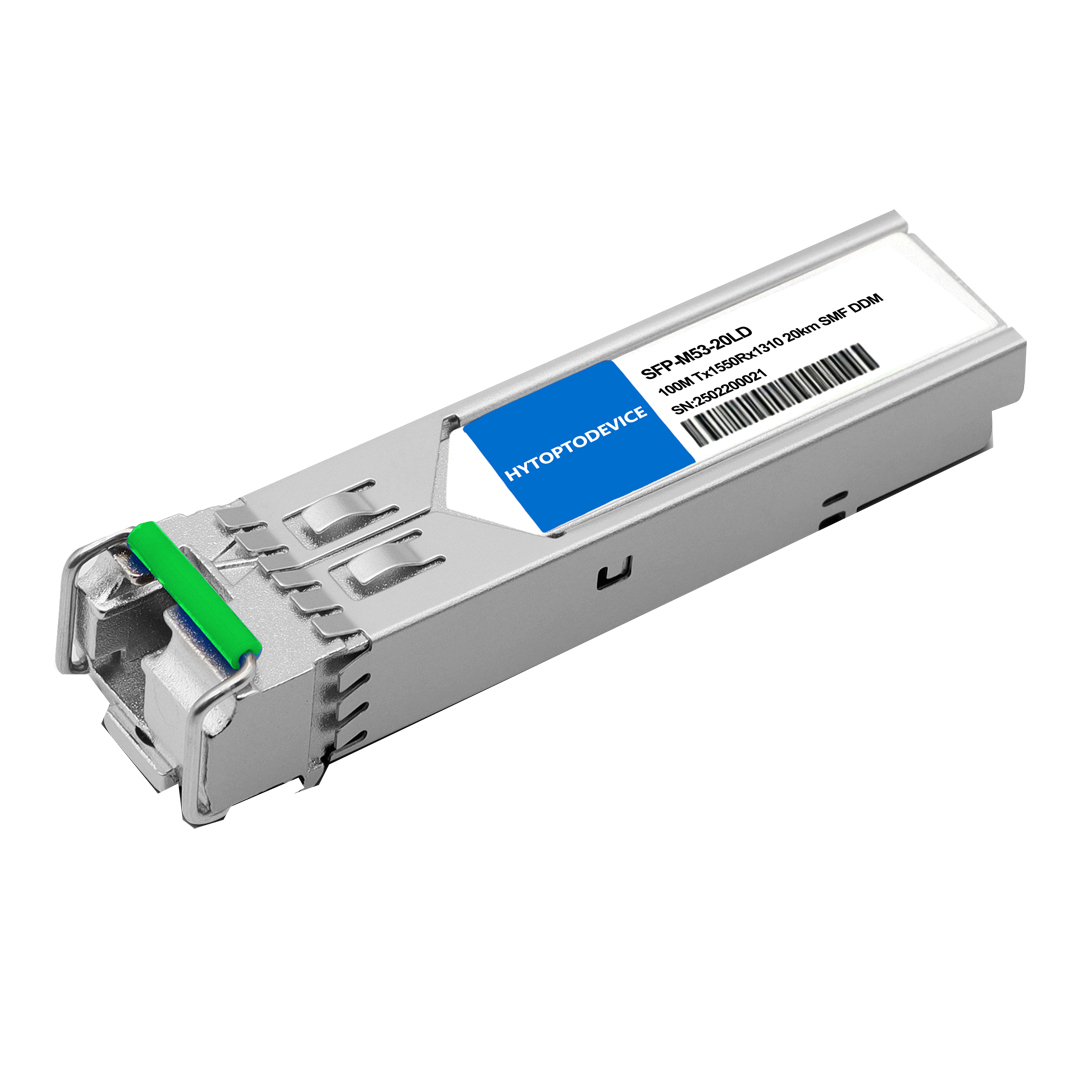
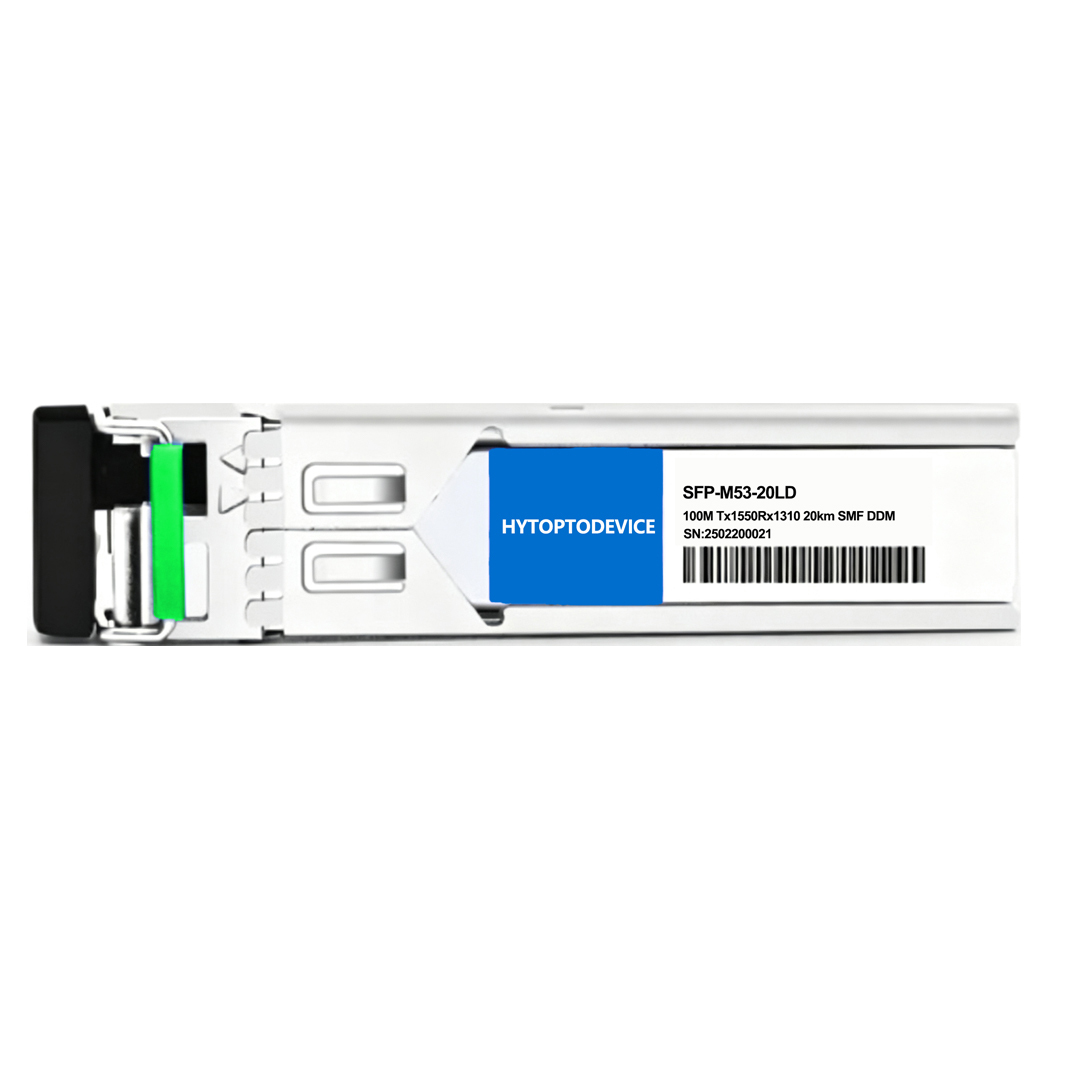
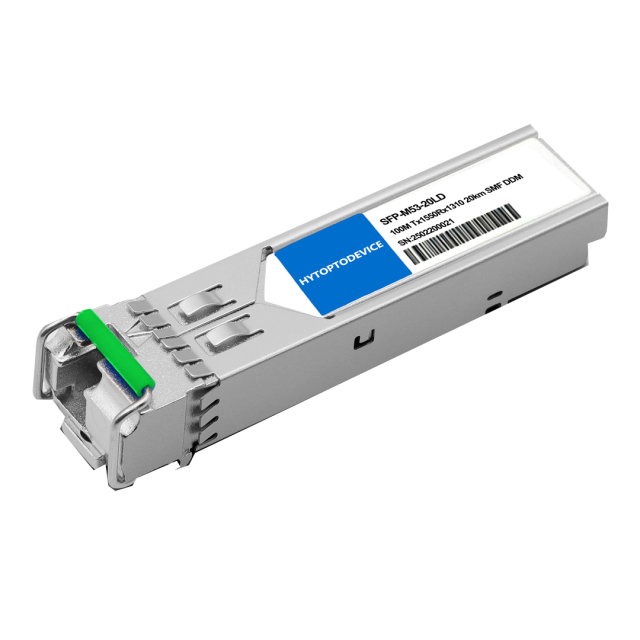
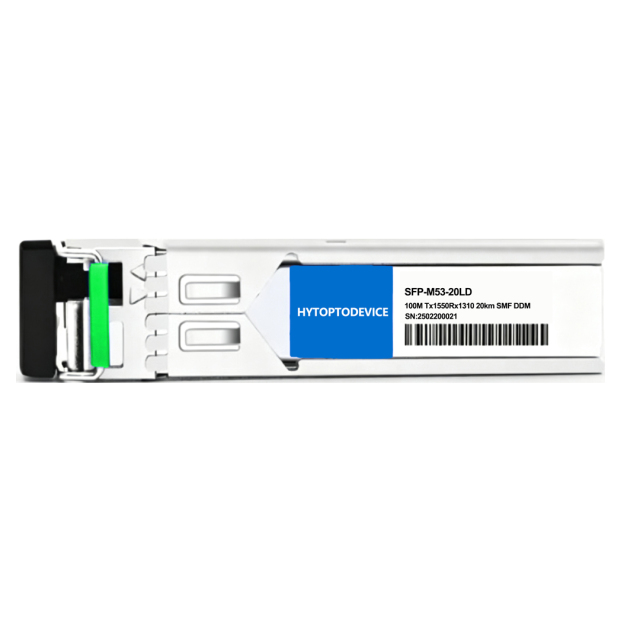
A: A conventional local loopback test is not applicable to BiDi single-fiber modules. This 100BASE-BX-D module adopts fixed Tx1550nm/Rx1310nm wavelength separation. A simple loopback will connect the module’s transmit wavelength to its incompatible receive wavelength, failing to establish a valid link. To test module integrity, please adopt end-to-end pairing testing with a matched 100BASE-BX-U module instead of local loopback detection.
Q5: Can 100BASE-BX transceivers be used in unmanaged media converters?
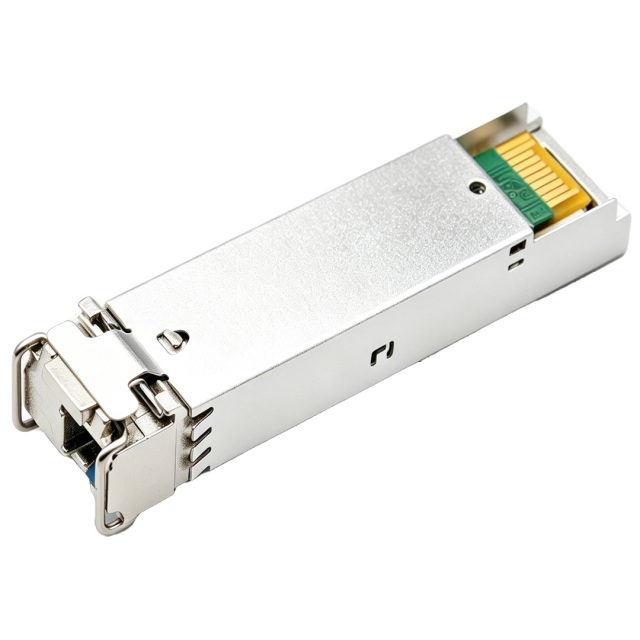
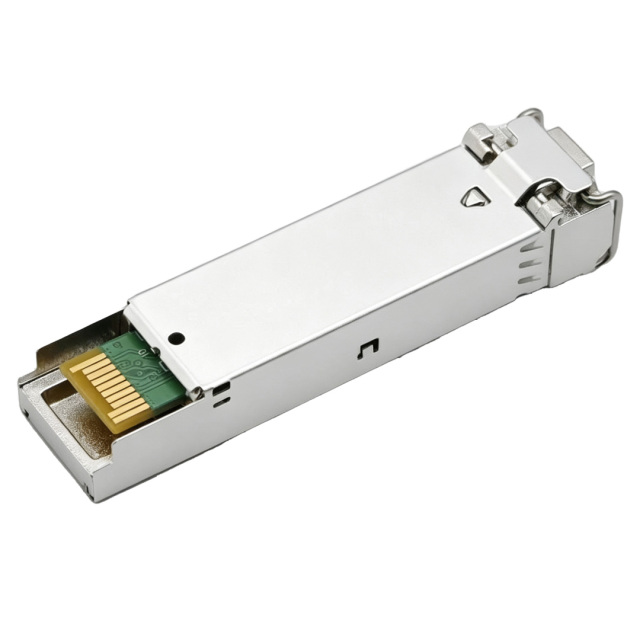
A: Yes, this JD101A compatible 100BASE-BX BiDi module works perfectly with standard unmanaged Fast Ethernet fiber media converters that support 100Mbps SFP ports. It complies with universal MSA and IEEE 802.3ah standards, featuring plug-and-play functionality without complex configuration. It is widely used in unmanaged media converter networking for community broadband, park monitoring and small enterprise network expansion scenarios with stable and reliable performance.
Q6: What should I do with the transceiver port when no cable is attached?
A: When no fiber cable is connected to the transceiver port, you must install the matched dust-proof rubber cap in a timely manner. Uncovered ports easily accumulate dust, moisture and oil stains, which pollute the optical chip end face, increase transmission loss, and cause long-term packet loss or module failure. Standard dust-proof protection effectively maintains port cleanliness, stabilizes optical performance and extends the overall service life of the module.
Q7: What is the average Mean Time Between Failures (MTBF) for these optics?
A: Our HPE(H3C) JD101A compatible 100BASE-BX BiDi SFP modules adopt industrial-grade laser chips and high-precision packaging technology. The professional MTBF rating reaches 1,000,000 hours under standard commercial temperature operating conditions (0°C~70°C). All products undergo strict aging and stability testing, supporting long-term 7×24-hour uninterrupted operation for enterprise and ISP engineering projects with ultra-low failure rates.
Q8: Can a 20km 100BASE-BX transceiver communicate with a 10km 100BASE-BX transceiver?
A: Yes, provided they use complementary wavelengths (1310nm vs. 1550nm) and the receiver power remains within safe operating limits. Matched wavelength pairing is the core prerequisite for normal intercommunication, and qualified received optical power can effectively avoid packet loss and link instability caused by power mismatch.
Q9: What causes link drops when ambient temperatures spike?
A: Sharp ambient temperature changes affect the operating accuracy of the module’s laser chip and optical receiving components. Extreme high or low temperatures will cause slight drift in transmit optical power and receiver sensitivity, exceeding the stable working range, thus triggering intermittent link drops. Our modules support 0°C~70°C commercial temperature stable operation; for outdoor or high-temperature industrial scenarios, customized industrial-grade (-40°C~85°C) modules are recommended to avoid temperature-induced link failures.
Q10: Can I mix 100BASE-BX SFPs from different third-party vendors on opposite ends?
A: Cross-vendor mixed deployment is technically compatible but not recommended for large-scale engineering projects. All standard 100BASE-BX modules follow unified IEEE/MSA wavelength and protocol standards, enabling basic intercommunication. However, different vendors have inconsistent optical power calibration, component quality and DDM parameter thresholds, which may cause unstable long-term operation, hidden packet loss or inconsistent monitoring data. For enterprise batch deployment, paired modules from the same manufacturer ensure optimal link stability.
Q11: How can I verify if a fiber cable has a break using a BiDi optic?
A: You can quickly judge fiber cable status through device port status and DDM monitoring data. If the switch SFP port shows no link and the DDM system displays extremely low or zero received optical power, the fiber cable is broken or severely disconnected. If the received optical power is within the normal range but fluctuates drastically, the cable has poor docking, bending loss or hidden break points. For accurate positioning, cooperate with an optical fiber tester to complete breakpoint detection.
Q12: What accessories come included with a 100BASE-BX SFP module?
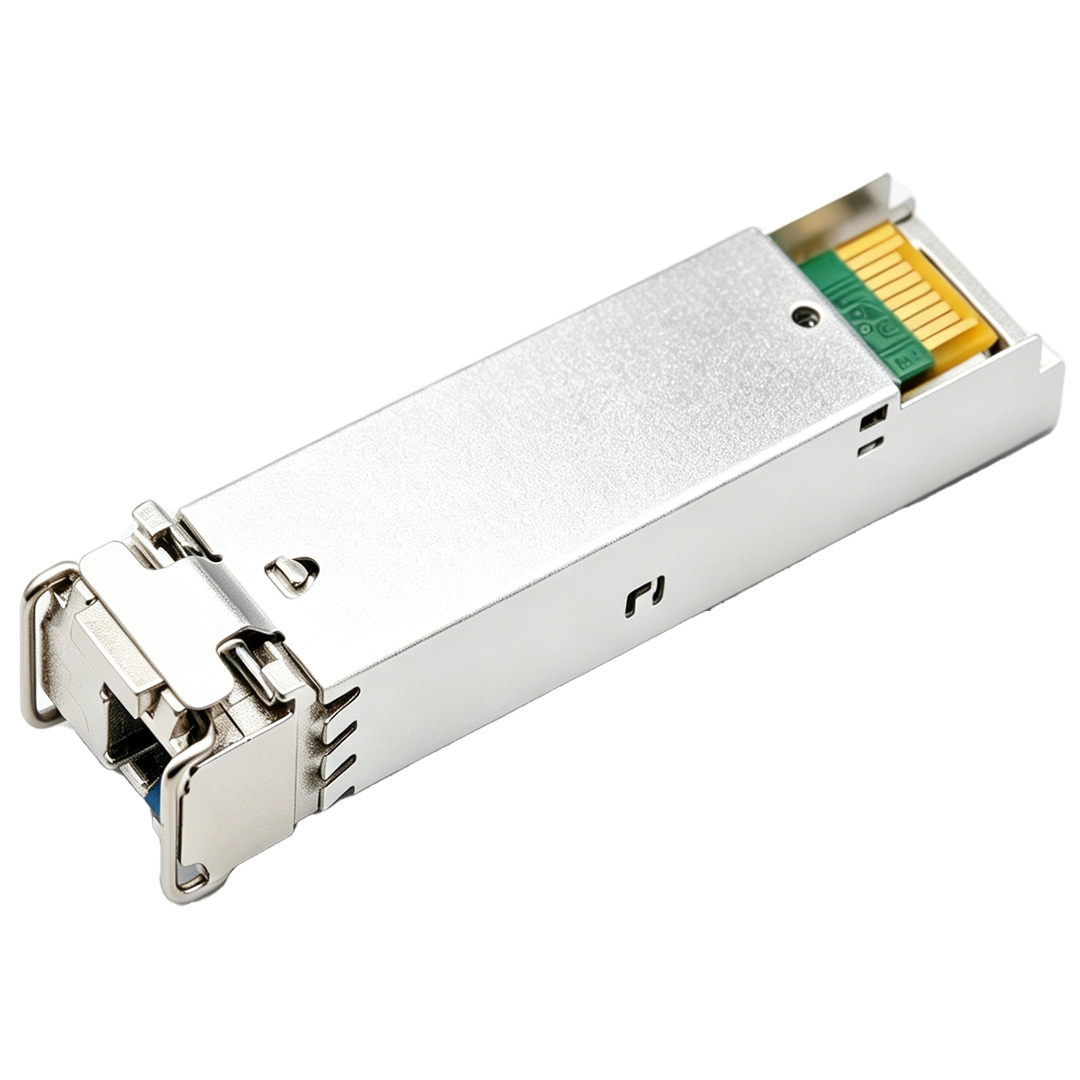
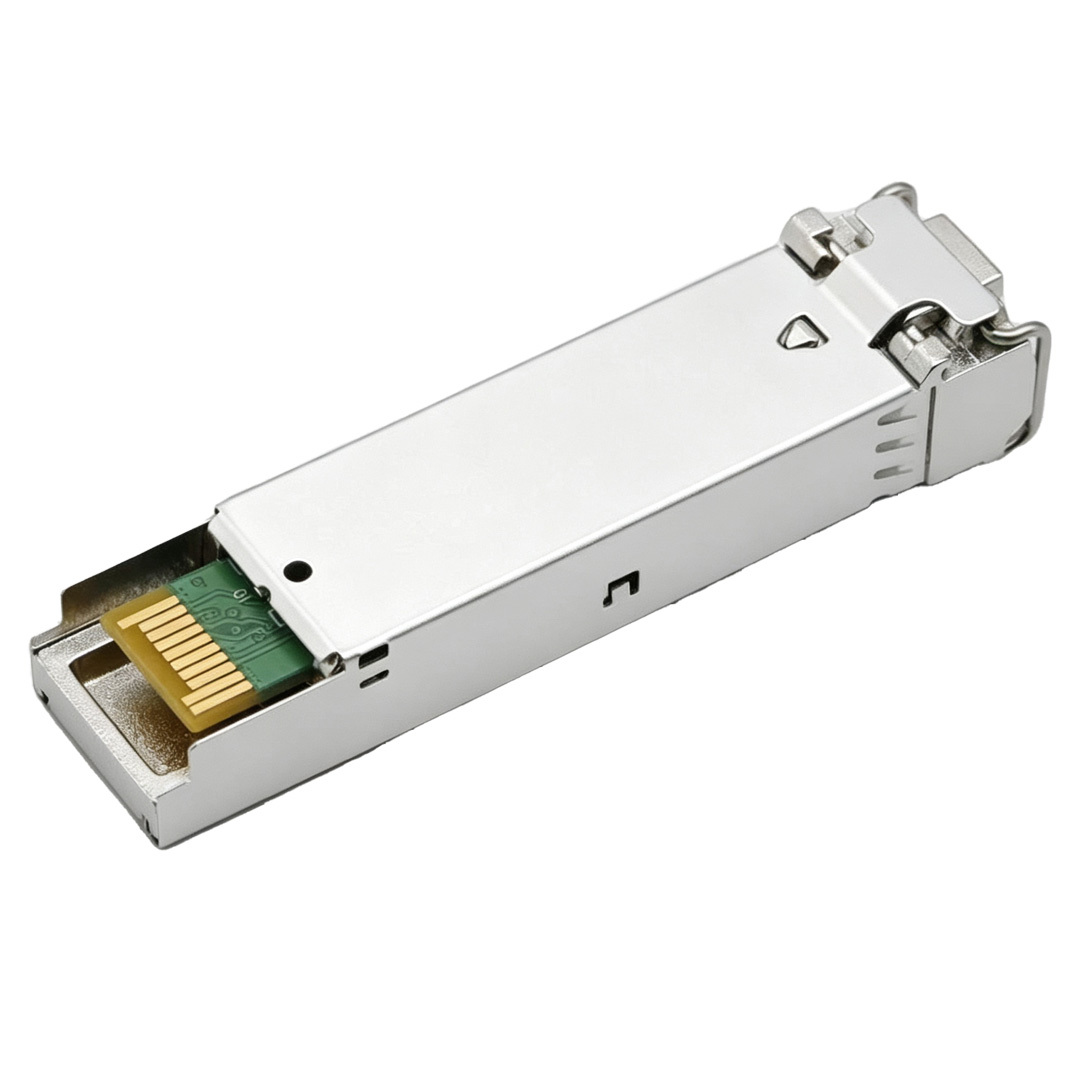
A: Standard packaging includes the SFP module fitted with a protective rubber dust cap inside an anti-static bag. No additional fiber jumpers, adapters or testing accessories are included. For bulk orders, we can provide matched simplex LC UPC patch cords, optical port cleaning tools and other supporting accessories according to customer project needs, realizing one-stop procurement and deployment.