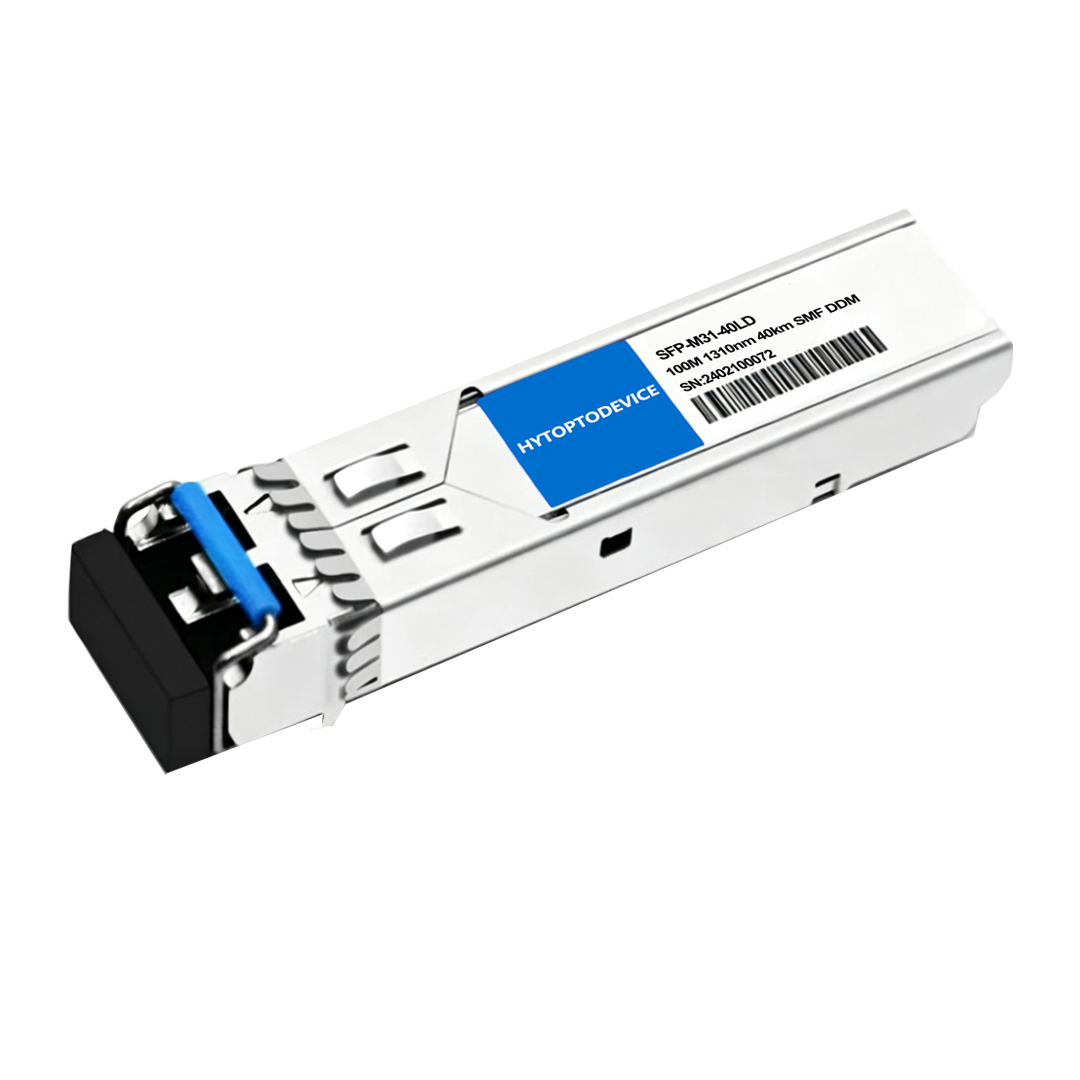
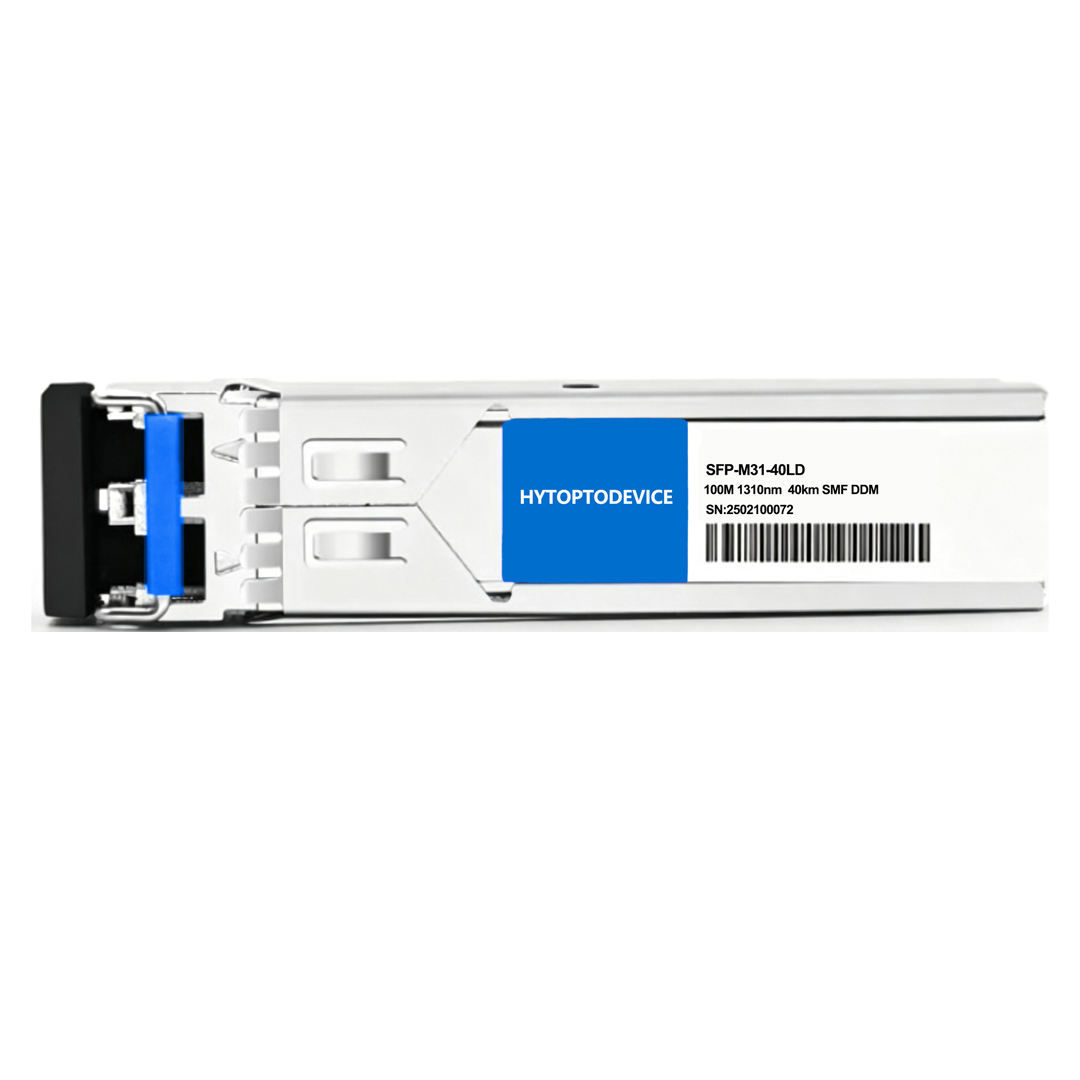
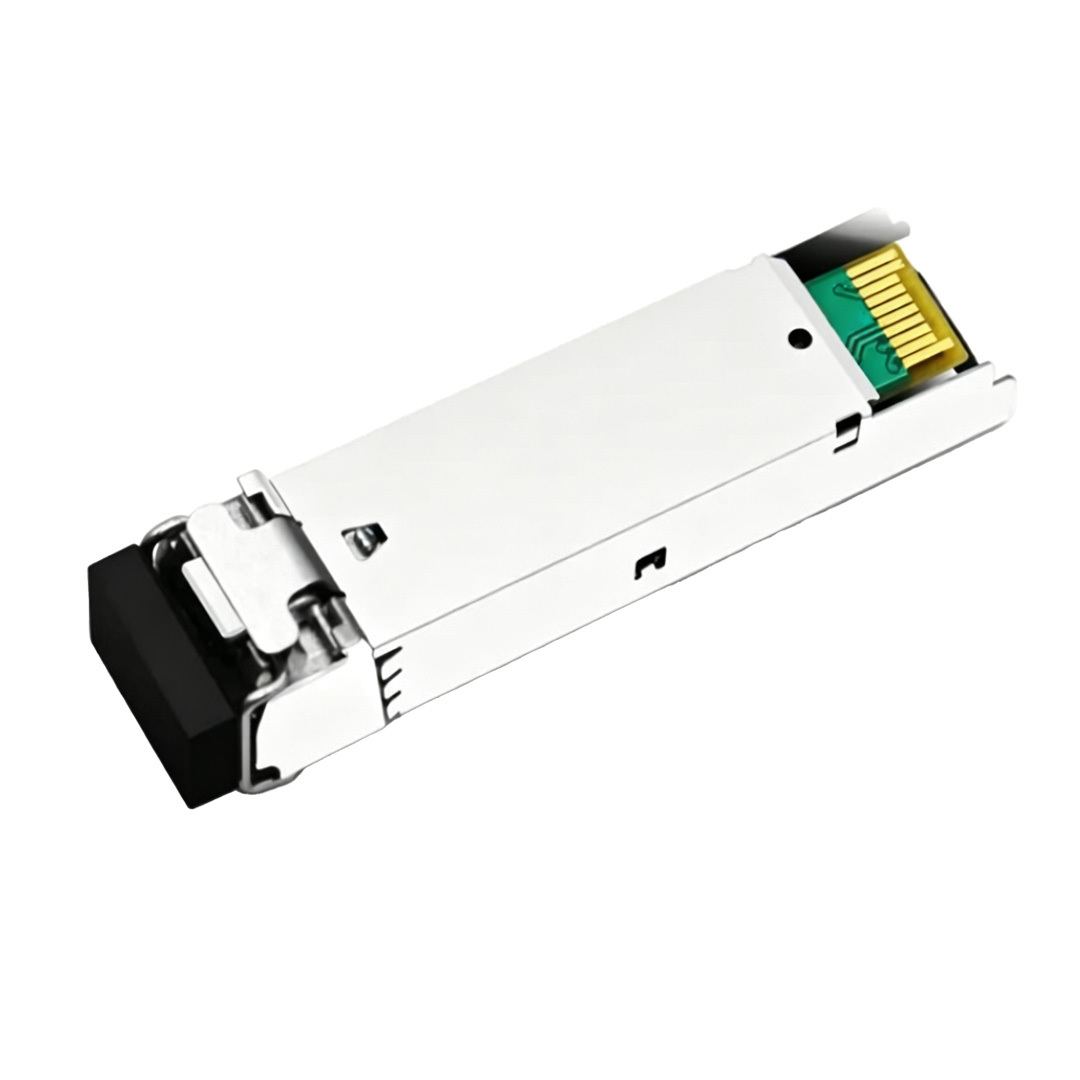
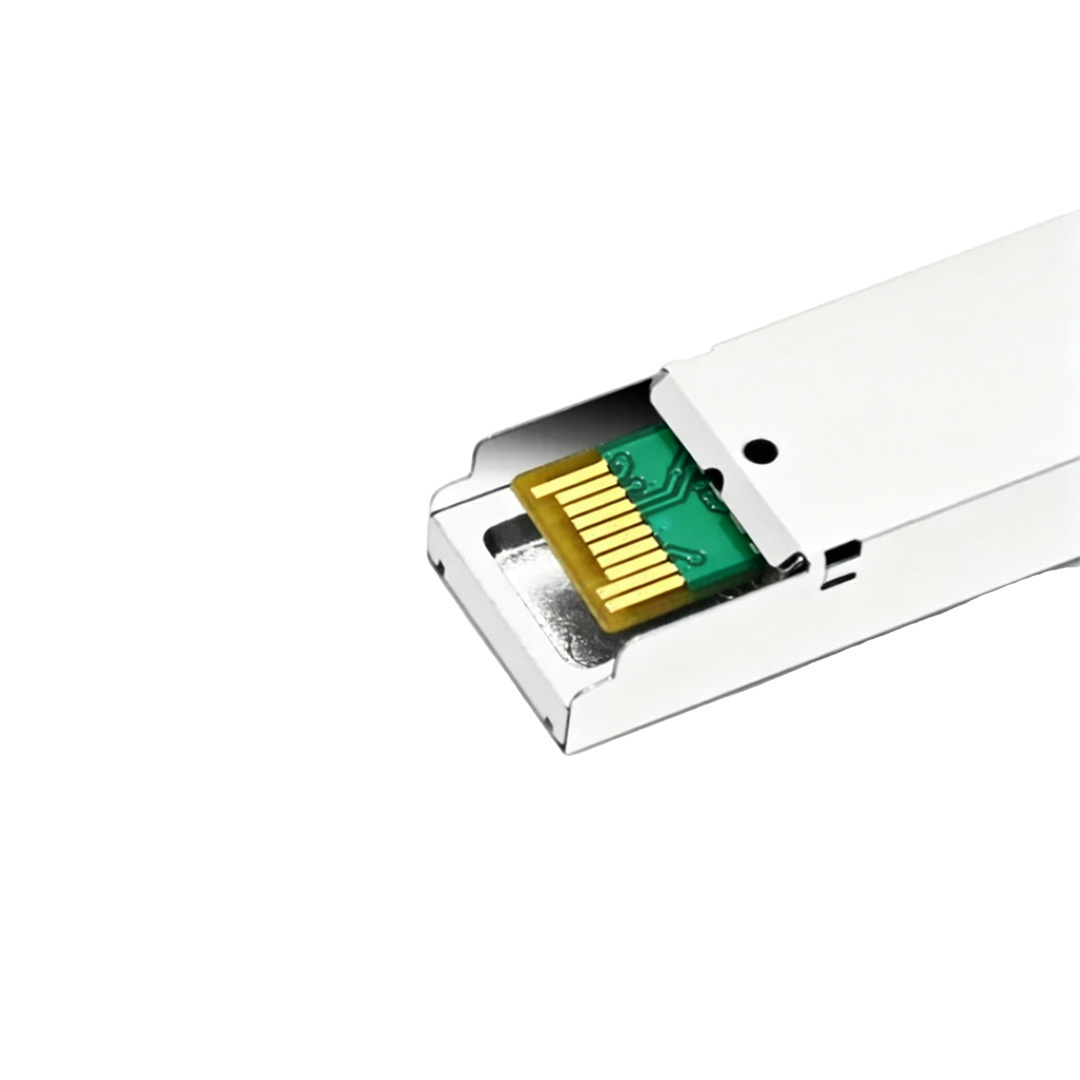
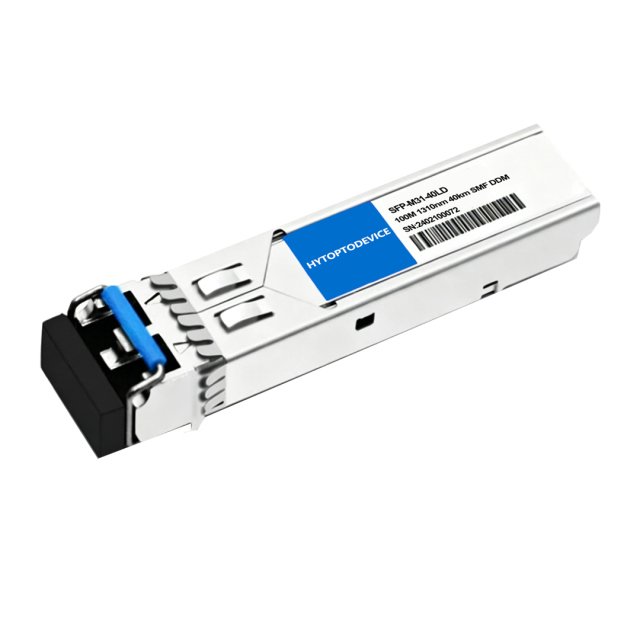
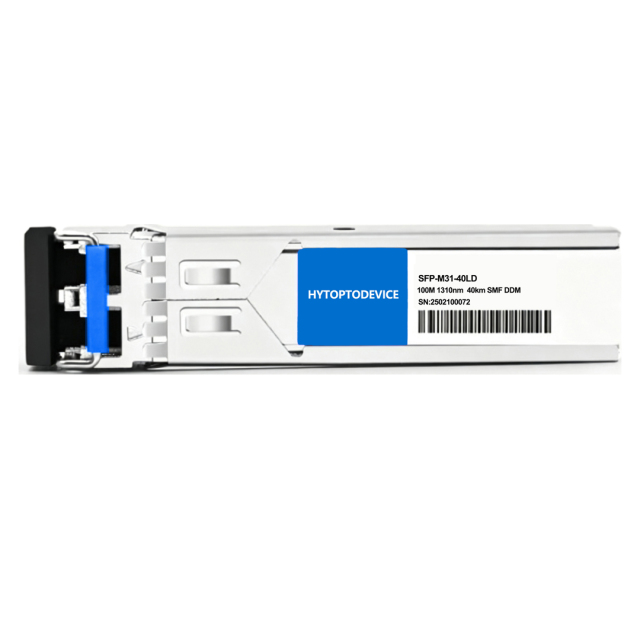
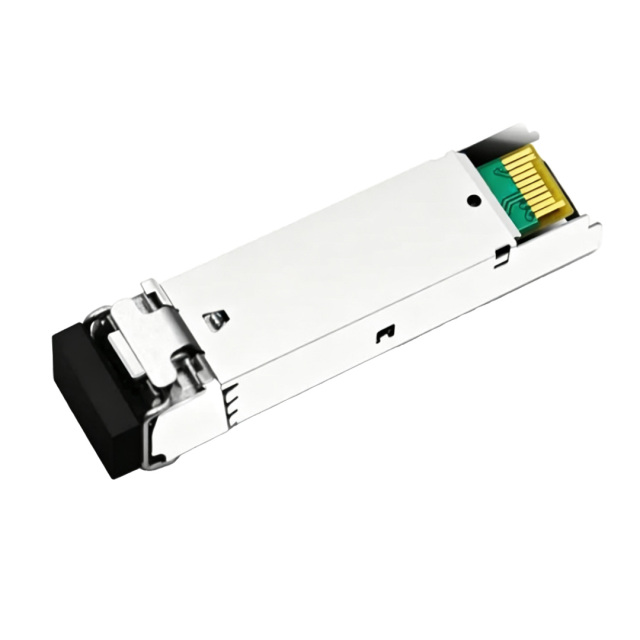
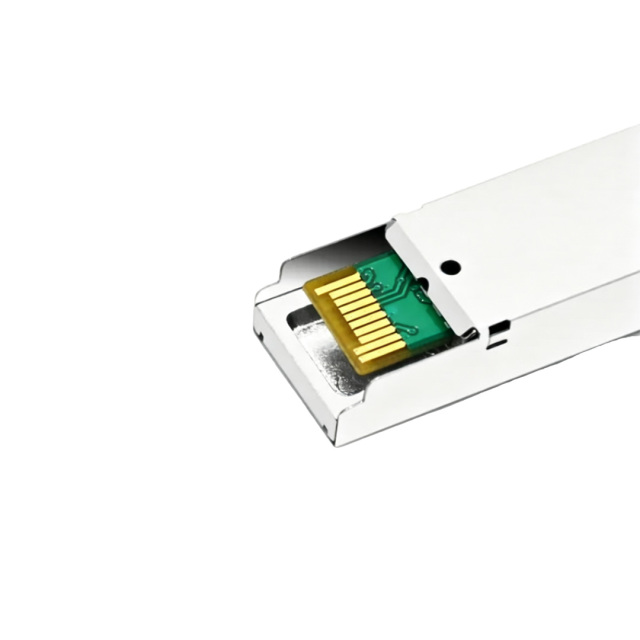
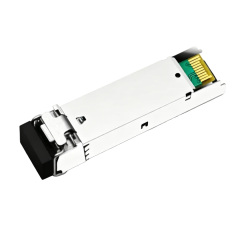
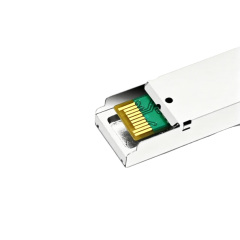
A: This Dell GP-SFP2-1E-C 100BASE-EX SFP transceiver is a dual-rate compatible module, perfectly adapting to Dell 100M/1G auto-sensing SFP ports on Force10 and Dell Networking series devices. It only runs stably at 100Mbps fast Ethernet speed and cannot work on pure 10G/25G high-speed ports. It supports automatic speed negotiation on matched Dell ports without manual configuration.
Q2: Will third-party GP-SFP2-1E-C transceivers trigger error logs on Dell switches?
A: No. Our customized EEPROM firmware strictly matches Dell official authentication protocols, achieving zero-alarm, zero-log plug-and-play operation on mainstream Dell Force10 S/C/E-series and N/X-series switches. Unlike generic modules that cause port disablement or system warning logs, this SFP transceiver ensures stable long-term operation without affecting device performance.
Q3: Is optical attenuation required for short-distance deployment of this 40km Dell SFP transceiver?
A: Yes. This GP-SFP2-1E-C SFP transceiver features a high transmit optical power range of -8~-2dBm, professionally calibrated for 40km long-distance single-mode fiber loss compensation. For short links within 1km with zero fiber attenuation, a 5-10dB optical attenuator is mandatory to avoid receiver overload, signal saturation and permanent module damage.
Q4: Can I pair Dell 100BASE-EX 40km and 100BASE-LX 10km transceivers for interconnection?
A: Physical link up is achievable due to consistent 100Mbps speed and 1310nm wavelength, but mixed pairing is not recommended for formal Dell network deployment. The two modules have mismatched optical power budgets and receiving sensitivity, which easily causes unstable signal transmission, random packet loss and high bit error rates, greatly reducing link reliability.
Q5: What laser structure does the Dell GP-SFP2-1E-C 100BASE-EX transceiver use, and what are its advantages?
A: This Dell-compatible SFP transceiver adopts a mature FP laser + PIN photodetector integrated structure. It delivers stable 1310nm fixed-wavelength output, fully meeting 40km single-mode transmission standards. With low power consumption, stable optical performance and low failure rate, it features high cost performance, serving as an ideal low-cost replacement solution for Dell enterprise long-distance fiber networking.
Q6: Are there single-strand BiDi alternatives for Dell 100BASE-EX 40km networking?
A: Yes. The standard GP-SFP2-1E-C is a duplex dual-fiber transceiver, while the matched 100BASE-BX40 BiDi solution supports single-strand fiber transmission. It adopts paired complementary wavelengths (Tx1310nm/Rx1550nm & Tx1550nm/Rx1310nm), realizing 40km long-distance transmission with only one fiber strand, effectively saving fiber resources for Dell campus and park networking projects.
Q7: What DDM Rx power range is normal for the Dell GP-SFP2-1E-C transceiver?
A: The standard receiving sensitivity of this transceiver is -32dBm ~ -8dBm. The optimal stable working range is -20dBm to -10dBm with sufficient power margin. Rx power higher than -8dBm leads to receiver overload, while values lower than -32dBm result in weak optical signals and network packet loss, which can be real-time monitored via DDM function on Dell devices.
Q8: Does the GP-SFP2-1E-C have industrial temperature grade options for harsh environments?
A: The standard version supports commercial temperature of 0°C to 70°C, suitable for indoor data centers and enterprise computer rooms. We provide customized industrial-grade (-40°C ~ 85°C) SFP transceiver options, which adapt to harsh scenarios such as outdoor equipment cabinets, industrial workshops and unattended Dell network equipment rooms.
Q9: How does extreme temperature affect Dell 100BASE-EX transceiver operation?
A: Operating beyond the rated temperature range will cause drifting laser transmit power, reduced receiving sensitivity and increased bit error rates, leading to intermittent link flapping and unstable data transmission. Long-term operation in extreme high/low temperature environments will accelerate internal component aging and shorten the service life of the GP-SFP2-1E-C SFP transceiver.
Q10: Is hot-swapping supported for Dell GP-SFP2-1E-C SFP transceivers?
A: Yes. This transceiver fully complies with MSA international industry standards and supports hot-swappable plug-and-play. It can be inserted, removed and replaced on running Dell Force10 and Dell Networking devices without shutting down the equipment, effectively reducing network maintenance downtime and simplifying on-site upgrade and replacement operations.
Q11: How to quickly troubleshoot unrecognized ports and failed links on Dell devices?
A: First, confirm the module model matches the Dell device port specification and uses standard 1310nm single-mode fiber; second, clean Duplex LC connectors and port dust to eliminate poor contact; check DDM optical power data to rule out overload or insufficient signal; manually lock port 100Mbps full-duplex mode to avoid negotiation failure; finally, test module compatibility separately to exclude hardware faults.
Q12: Why are third-party GP-SFP2-1E-C transceivers more cost-effective than Dell original modules?
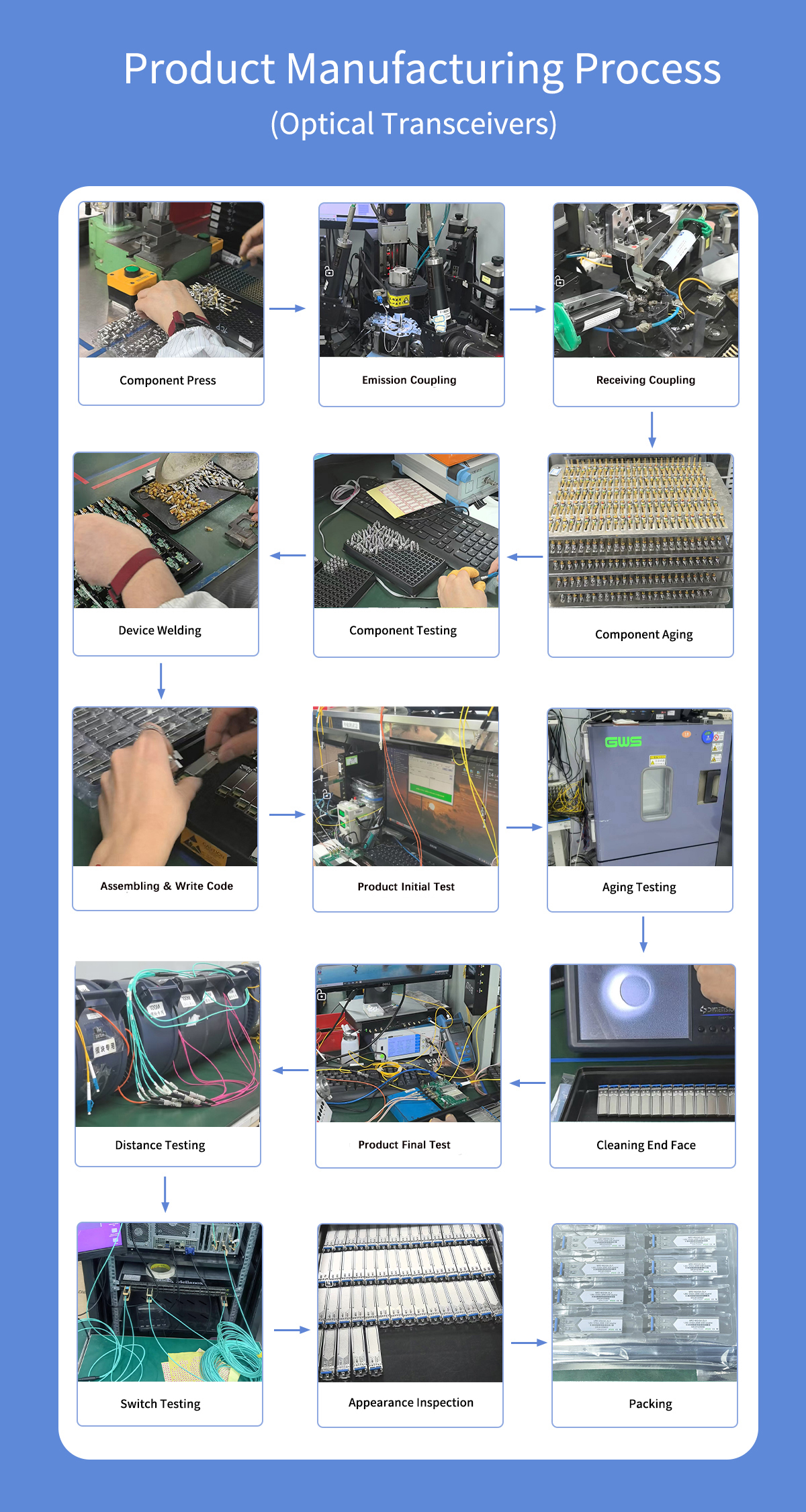
A: Genuine Dell OEM modules include brand premium, official certification fees and high channel circulation costs. Our HYTOPTODEVICE compatible GP-SFP2-1E-C SFP transceivers adopt standardized batch production, full optical performance testing and aging calibration. With completely consistent compatibility and transmission performance as original modules, they eliminate redundant premium costs, providing high-quality and low-cost bulk procurement solutions for Dell enterprise network upgrades.
Why Network Engineers Choose HYTOPTODEVICE