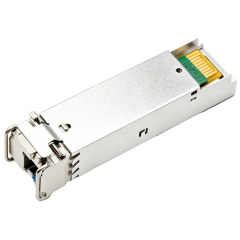
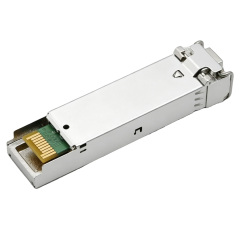
Q1: What network issue occurs when deploying identical Tx1550/Rx1310 BiDi modules at both fiber link ends?
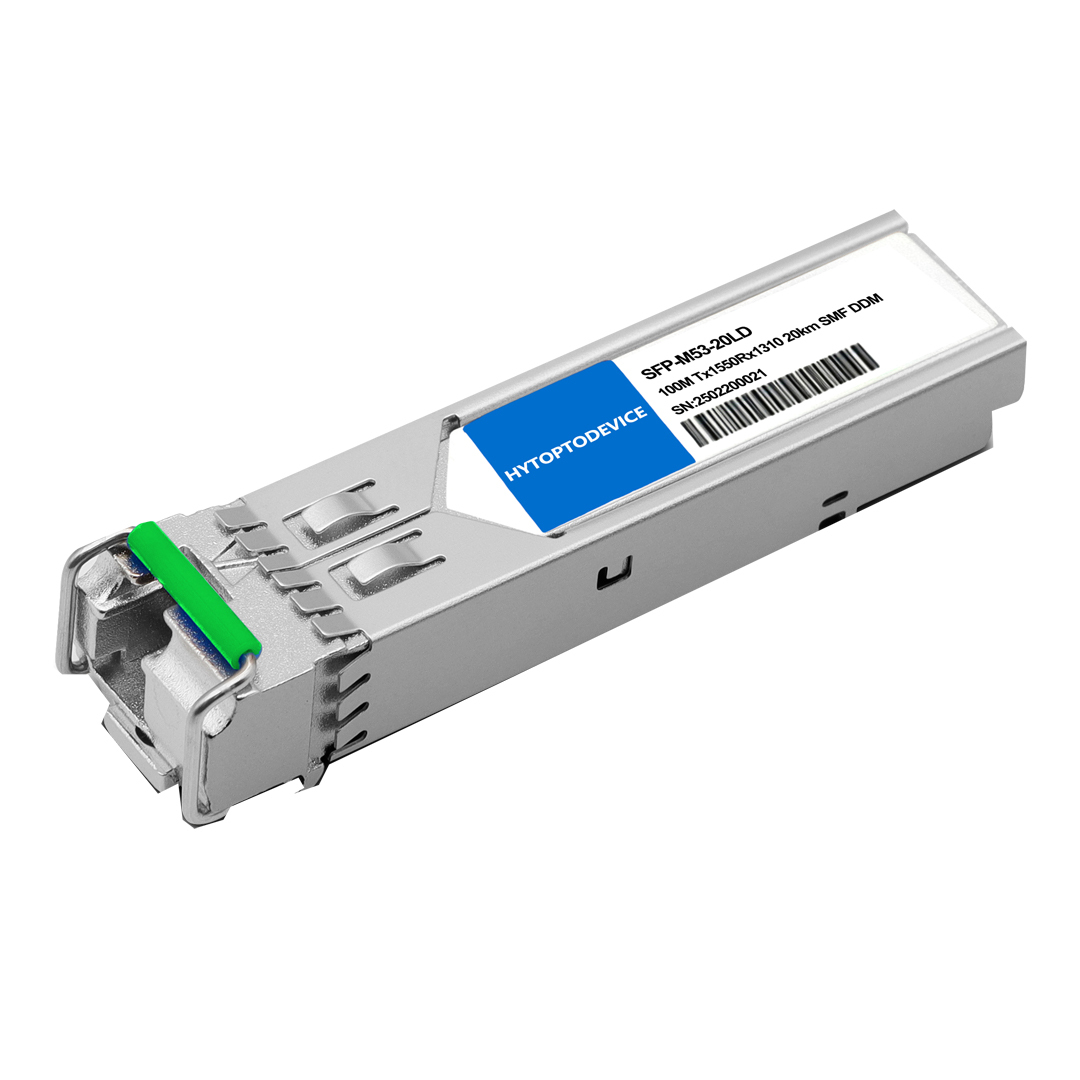
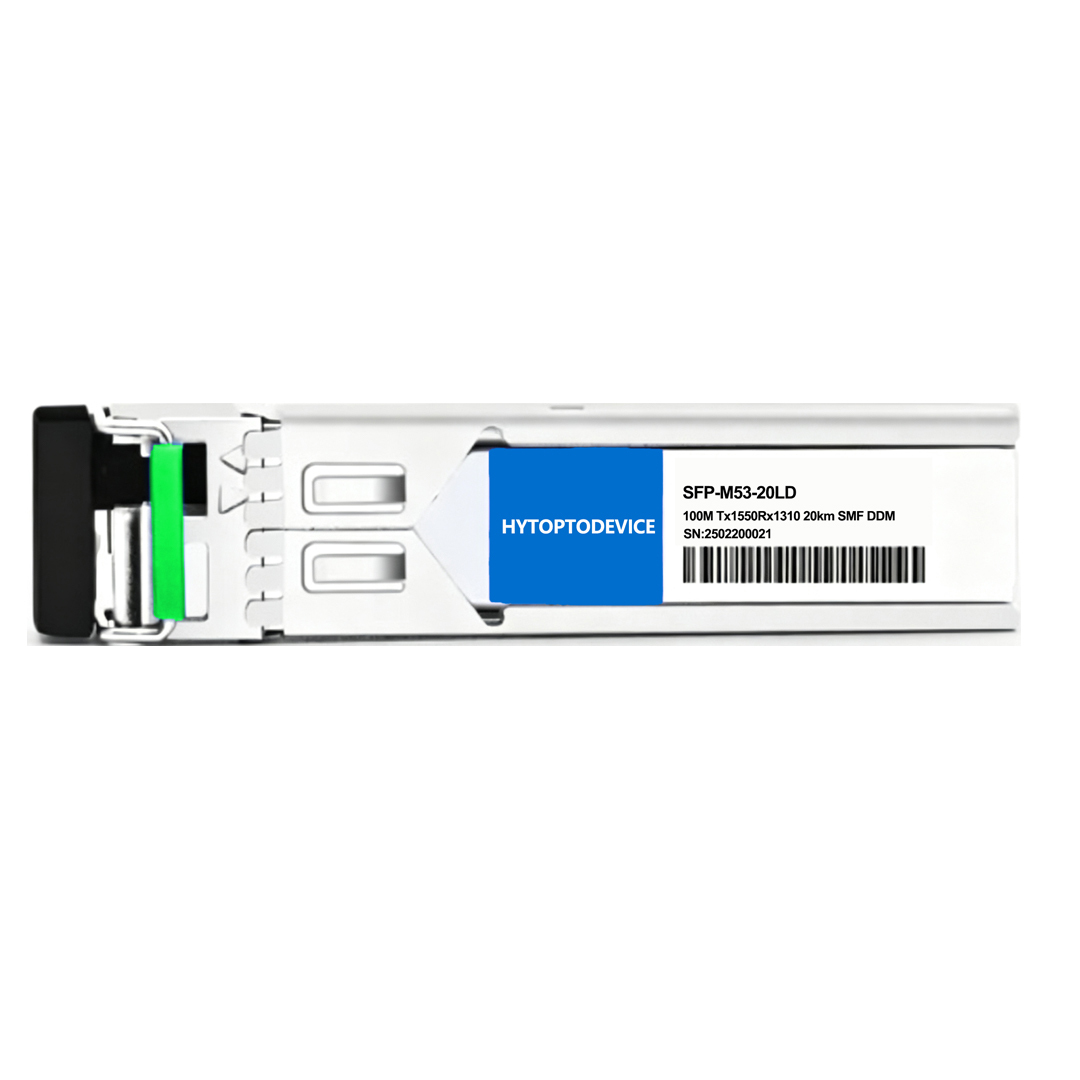
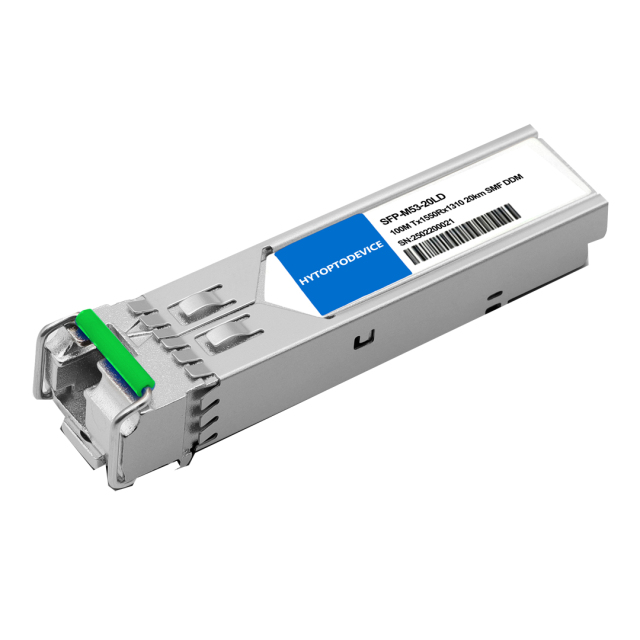
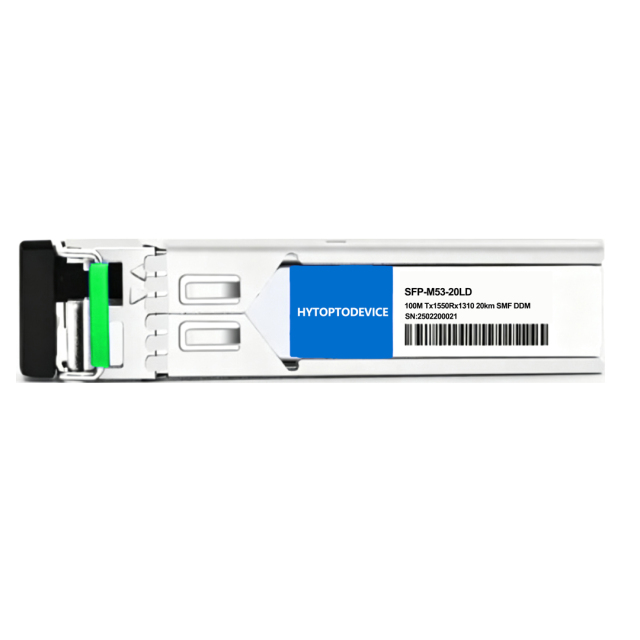
A: Deploying identical Tx1550/Rx1310 BiDi modules at both link ends will cause wavelength mismatch and fail to establish network connectivity. HYTOPTODEVICE’s Alcatel-Lucent iSFP-100-BX-D compatible modules adopt professional Tx1550/Rx1310 wavelength design, which must pair with standard Tx1310/Rx1550 BX-U modules. We provide matched module bulk solutions for project deployment, avoiding on-site pairing errors for enterprise procurement projects.
Q2: Is cross-communication possible between 100BASE-BX single-fiber transceivers and conventional 100BASE-LX dual-fiber modules?
A: No interconnection is supported between 100BASE-BX single-fiber BiDi transceivers and dual-fiber 100BASE-LX modules, due to inconsistent wavelength transmission modes and working protocols. Our wholesale 100BASE-BX-D modules strictly follow single-fiber WDM standards, exclusively matching BiDi paired devices, and are the dedicated networking solution for Alcatel-Lucent/Nokia device batch upgrades.
Q3: What triggers the unsupported transceiver error prompt on Alcatel-Lucent switch consoles?
A: Unsupported transceiver warnings mainly stem from mismatched module EEPROM signature data and unrecognized third-party firmware. HYTOPTODEVICE’s factory-calibrated iSFP-100-BX-D compatible modules are pre-flashed with exclusive Alcatel-Lucent/Nokia verified firmware, realizing zero-alarm plug-and-play recognition. Ideal for large-scale engineering procurement, our modules eliminate compatibility alarm issues completely.
Q4: Are manual port speed and duplex parameter configurations required for this BiDi SFP module?
A: No manual configuration is required. All HYTOPTODEVICE 100BASE-BX-D 20km BiDi transceivers support automatic speed and duplex negotiation, perfectly adapting to 100Mbps Fast Ethernet port protocols of Alcatel-Lucent and mainstream brand switches. This plug-and-play design greatly simplifies operation steps for bulk network deployment and daily maintenance.
Q5: Can 20km-rated BiDi transceivers safely operate for short-distance fiber links around 500 meters?
A: Yes, our Alcatel-Lucent compatible 20km BiDi modules support adaptive operation for short-distance scenarios above 500 meters without additional optical attenuators. Built-in optical power overload protection avoids receiver burnout and signal saturation, ensuring stable links for both short-range wiring and long-distance transmission, suitable for diversified on-site construction procurement needs.
Q6: What optical power budget specification ensures stable signal transmission for 20km 100BASE-BX fiber links?
A: HYTOPTODEVICE iSFP-100-BX-D compatible transceivers feature a standard 18dB high optical power budget. This professional parameter fully offsets fiber transmission attenuation, splicing loss and connector loss in 20km single-mode fiber links, guaranteeing error-free and stable long-distance network transmission for enterprise park and cross-regional networking projects.
Q7: What type of fiber connector is equipped on simplex single-fiber BiDi SFP transceivers?
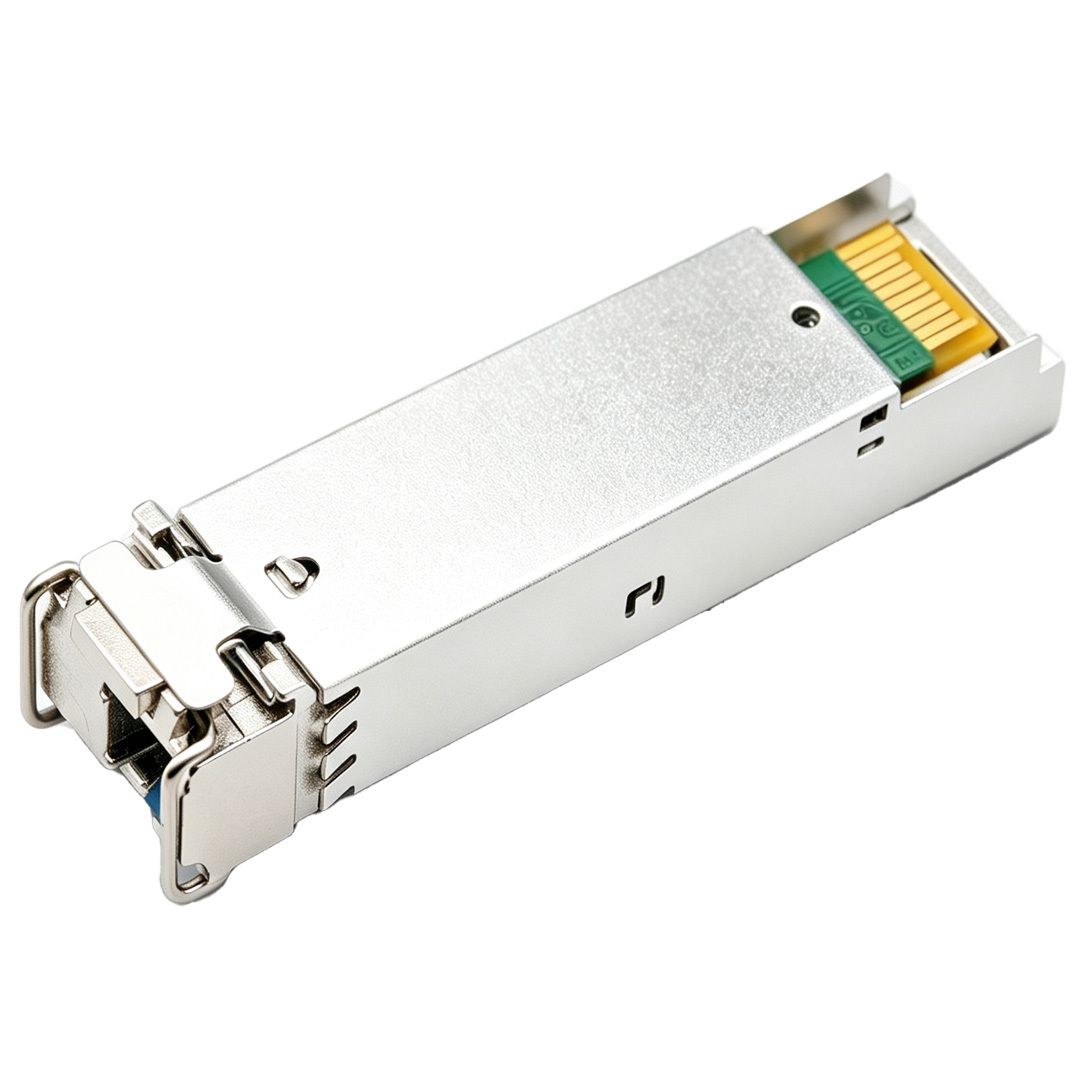
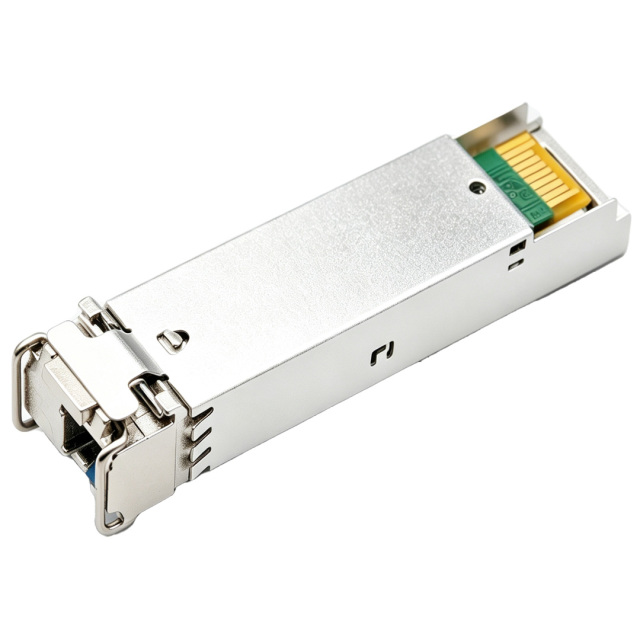
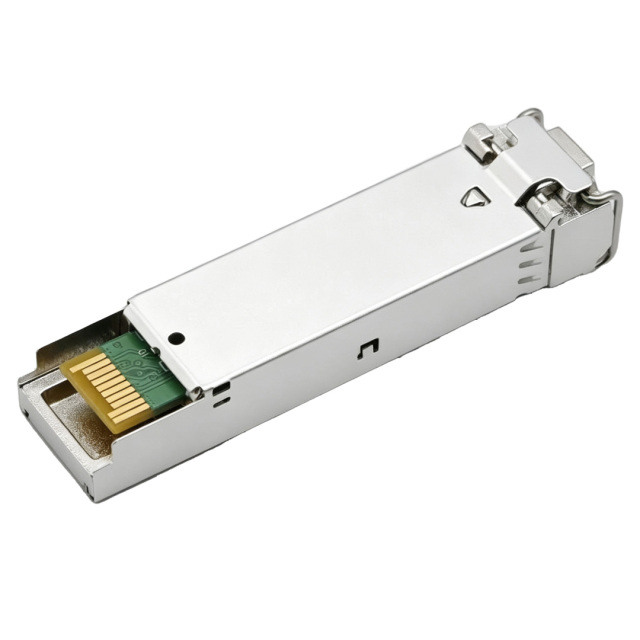
A: This 100BASE-BX-D BiDi transceiver adopts a standard simplex LC optical connector, which occupies only one fiber core to realize bidirectional data transmission. Compared with duplex LC interfaces, it saves half of fiber resources, making it a cost-effective choice for fiber-resource-limited network renovation and large-scale wholesale procurement projects.
Q8: Which type of LC patch cord is compatible with this 100BASE-BX-D SFP transceiver, UPC or APC?
A: We recommend standard blue UPC LC simplex patch cords for matching use. This Alcatel-Lucent compatible BiDi module is designed for UPC flat end-face optical links; APC green end-face jumpers will cause excessive insertion loss and unstable links. We support bundled sales of matching optical accessories, providing one-stop procurement solutions for network engineering projects.
Q9: Does the 100BASE-BX standard support full-duplex synchronous 100Mbps data transmission?
A: Yes. Adopting advanced WDM wavelength division multiplexing technology, our 100BASE-BX-D single-fiber modules isolate transmit and receive signals on a single fiber core, supporting stable 100Mbps full-duplex synchronous communication. No bandwidth loss occurs during 20km transmission, meeting high-stability data transmission demands of ISP broadband and enterprise monitoring projects.
Q10: Do 100BASE-BX BiDi SFP modules support hot-swap online replacement?
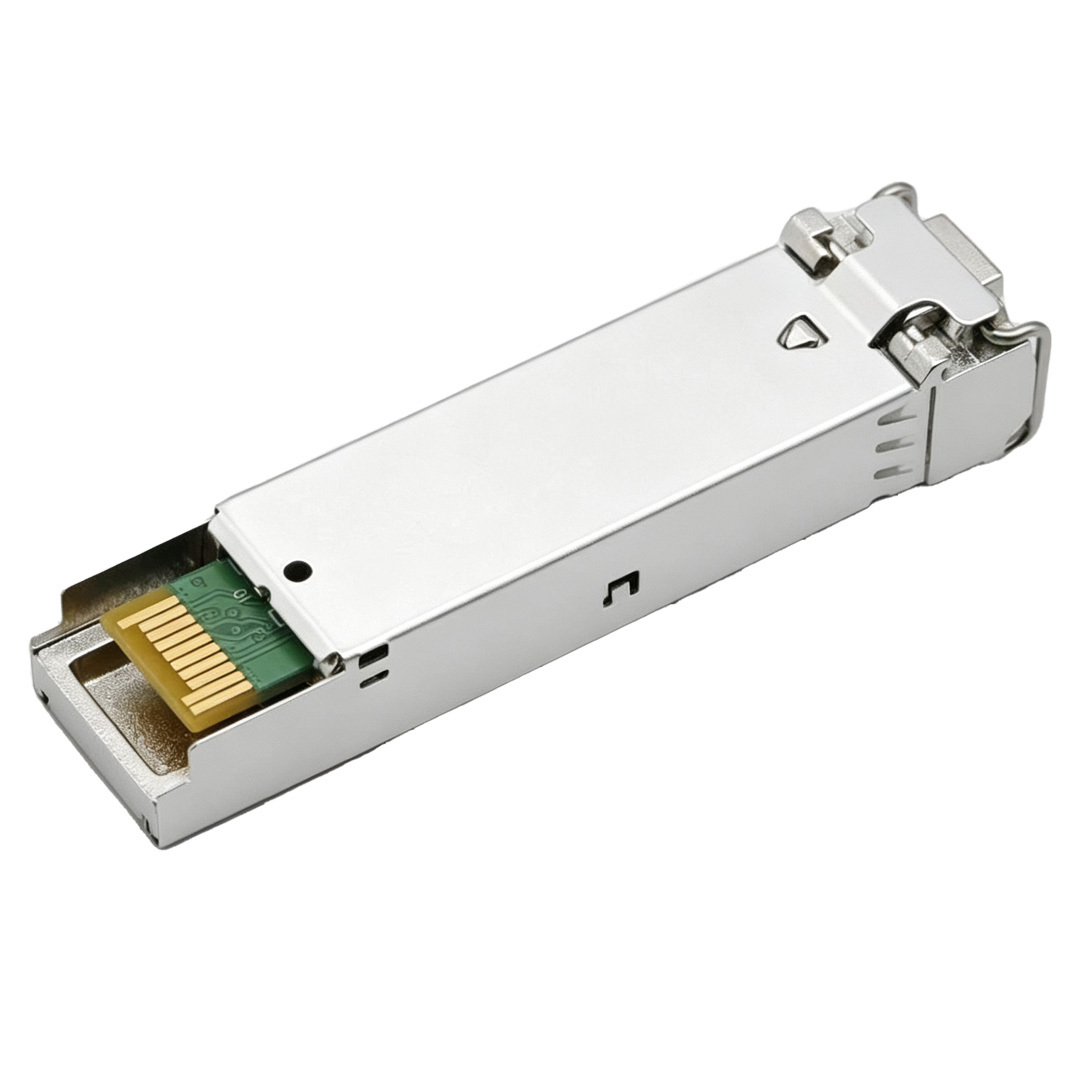
A: All HYTOPTODEVICE 100BASE-BX-D BiDi transceivers comply with MSA international hot-swap standards, supporting online plug-and-play replacement without powering off devices or interrupting network operation. This feature effectively reduces maintenance downtime, suitable for 7×24-hour uninterrupted operating enterprise networks and large-scale batch deployment scenarios.
Q11: Are laser emissions from 100BASE-BX SFP optical modules hazardous to human health?
A: Our 100BASE-BX-D optical modules adopt Class 1 safe laser design, complying with international laser safety standards. The built-in low-power laser chip causes no harm to human eyes and bodies during normal use. All products pass strict safety certification, safe and reliable for commercial, industrial and campus network large-scale procurement and long-term use.
Q12: How to properly maintain idle transceiver ports on unused BiDi SFP modules?
A: When the module port is idle, please install the original dust cap in time to prevent dust, oil stains and moisture from contaminating the optical channel, which avoids signal attenuation and link packet loss. HYTOPTODEVICE’s bulk-supplied BiDi modules are equipped with standard dust-proof accessories, effectively extending module service life and reducing after-sales failure rates for batch project equipment operation.