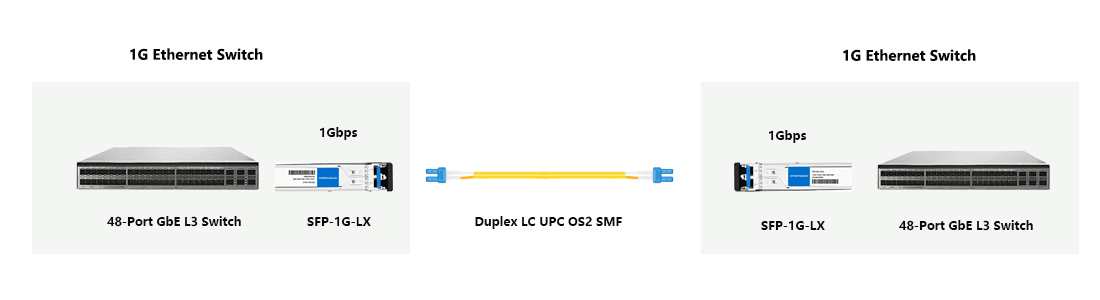
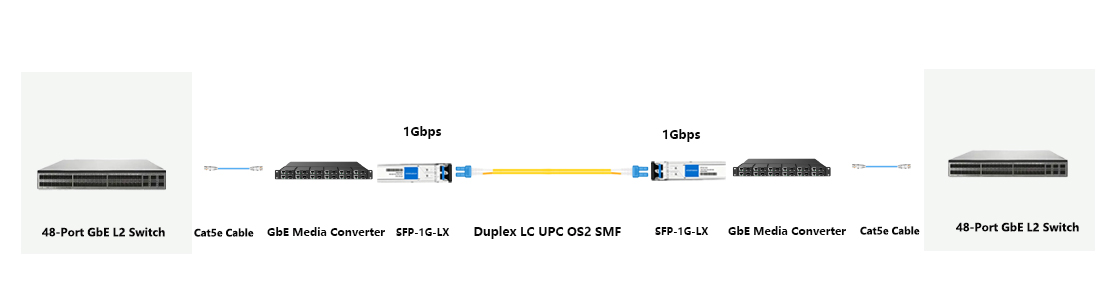
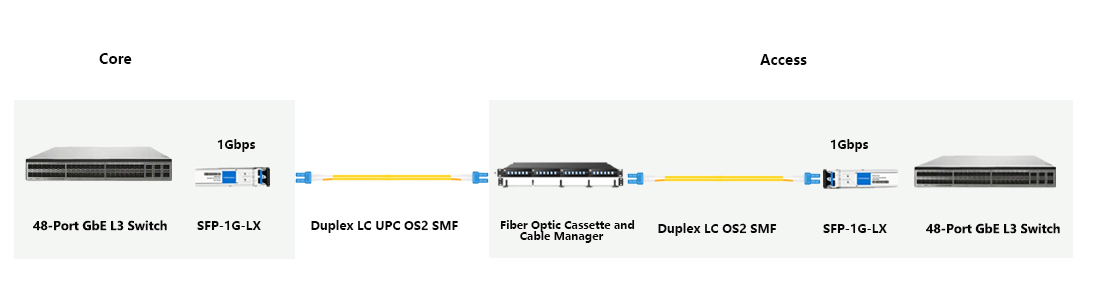
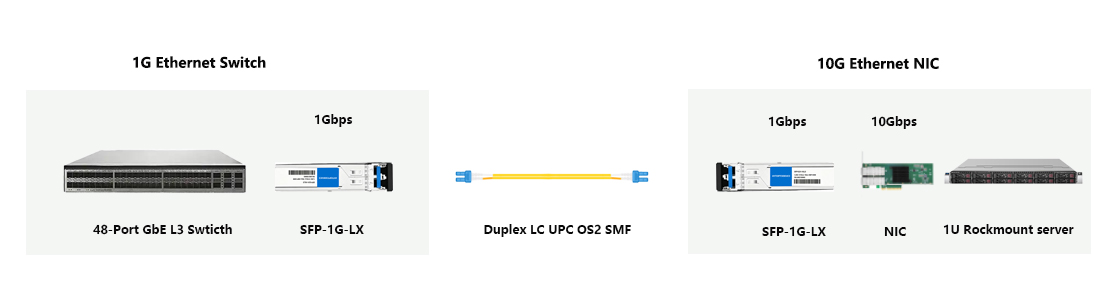
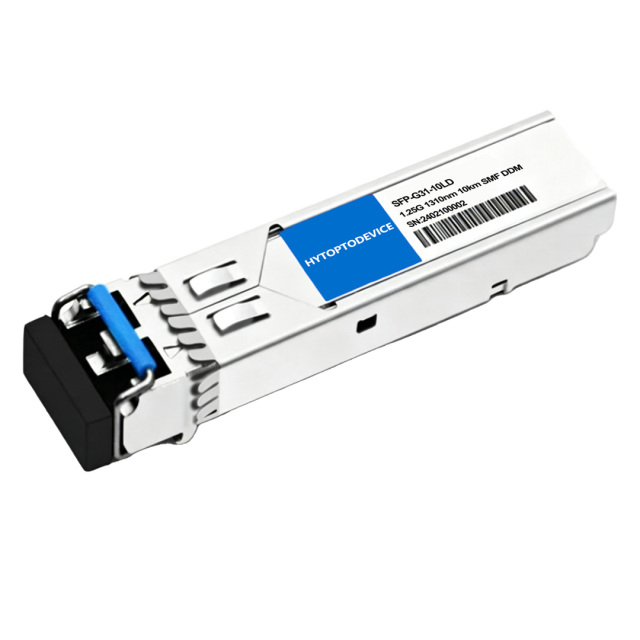
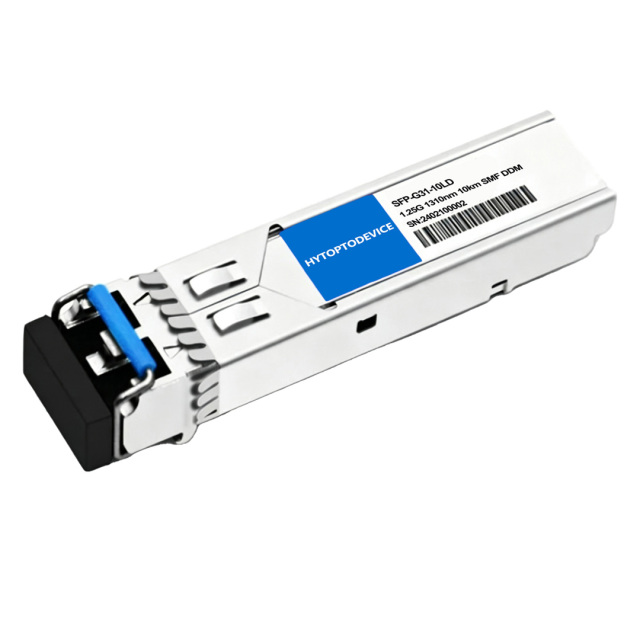
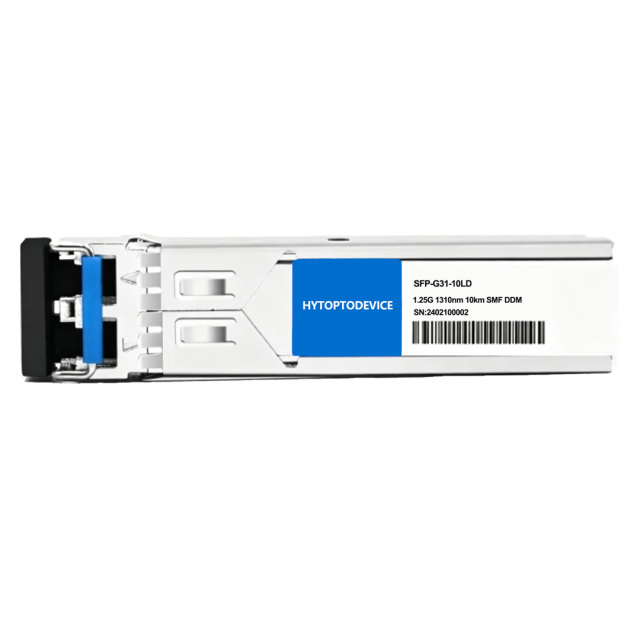
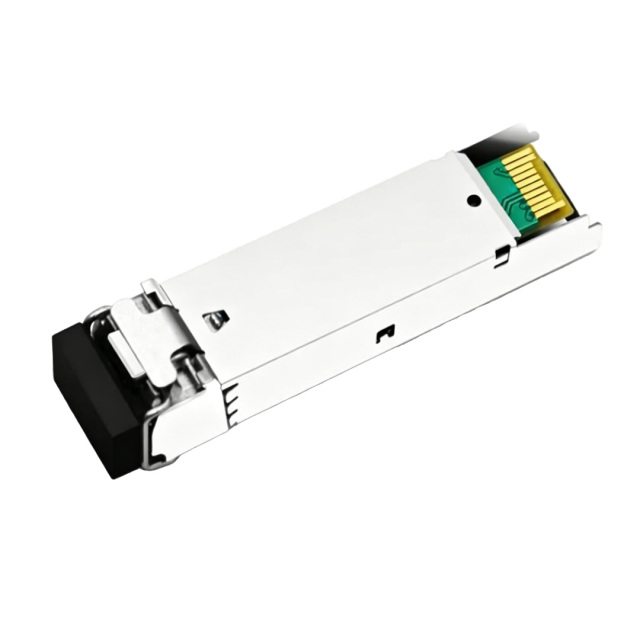
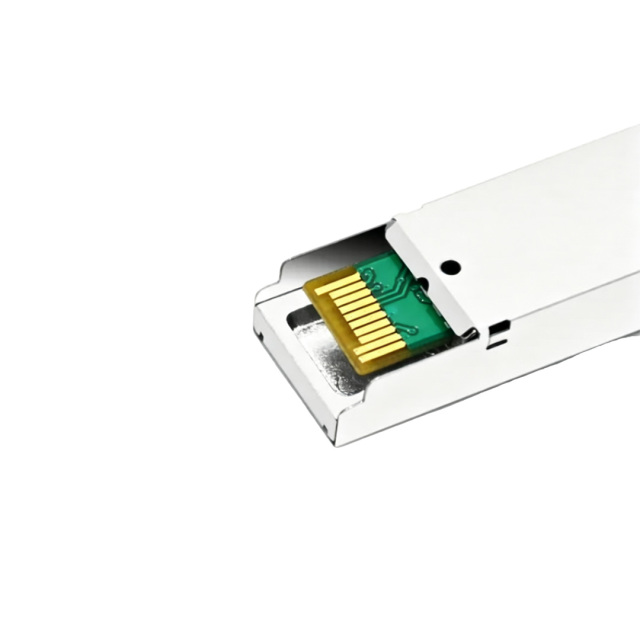
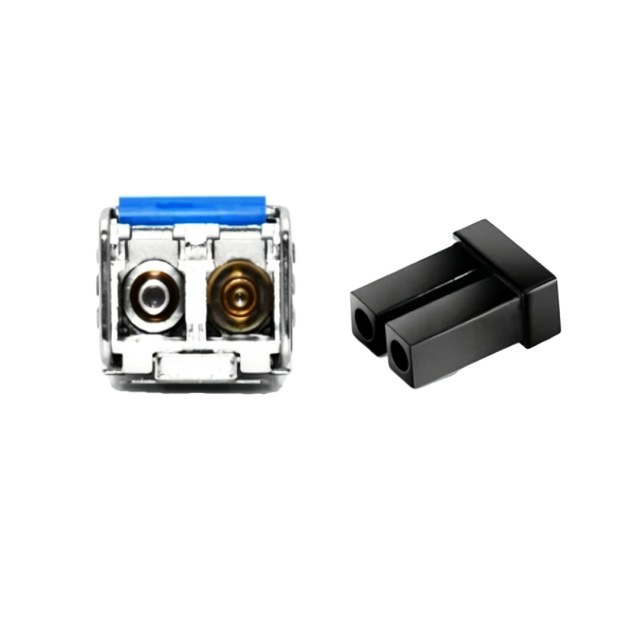
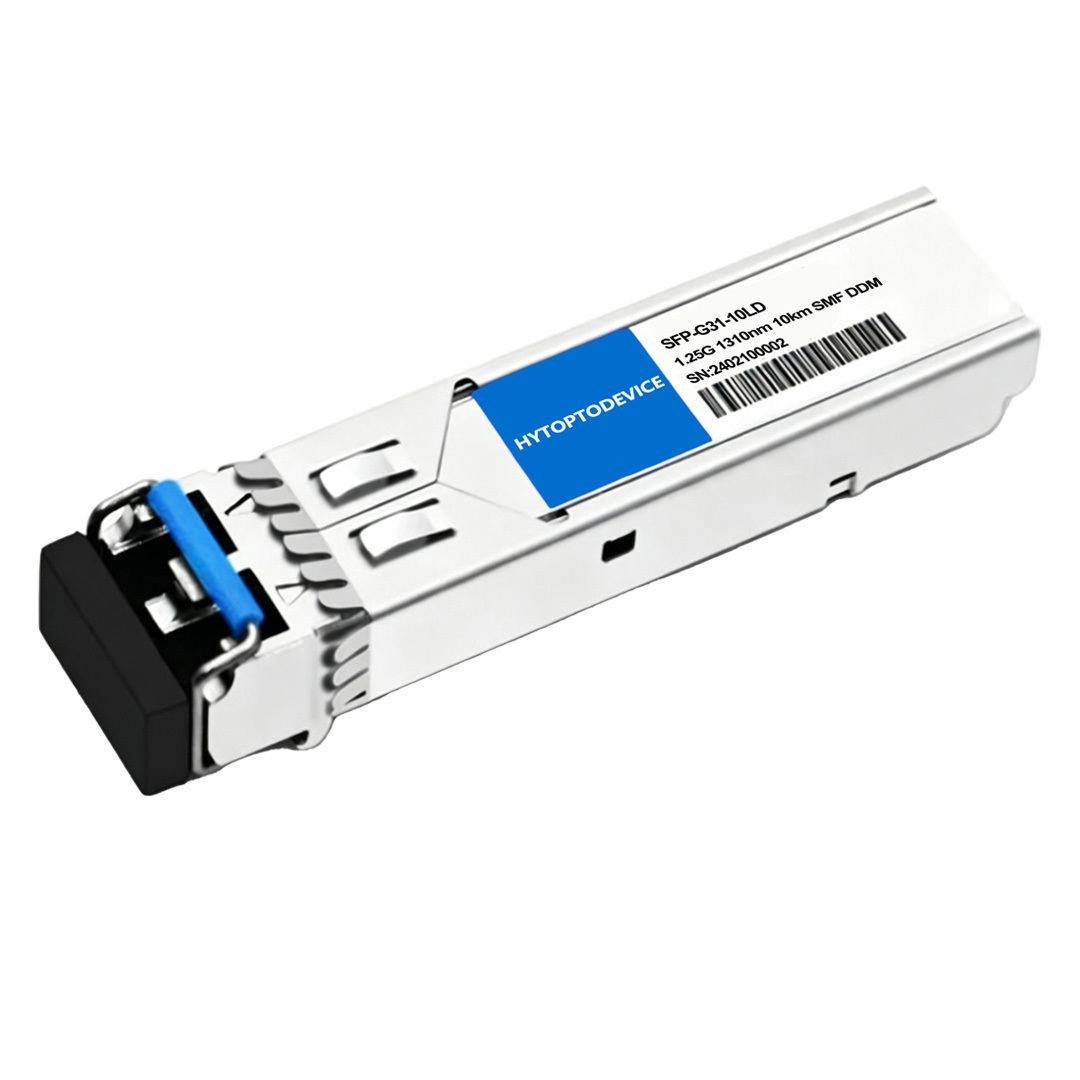
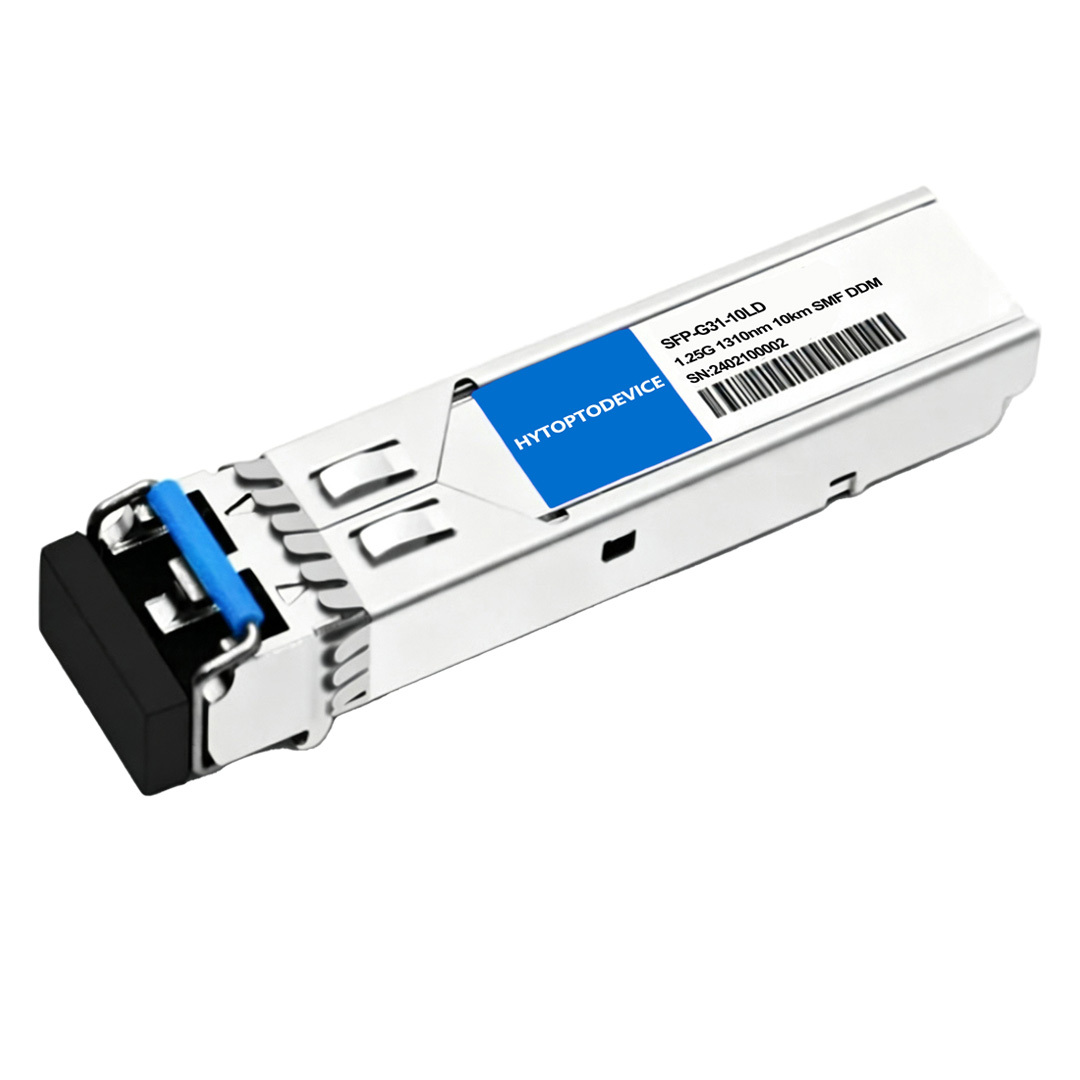
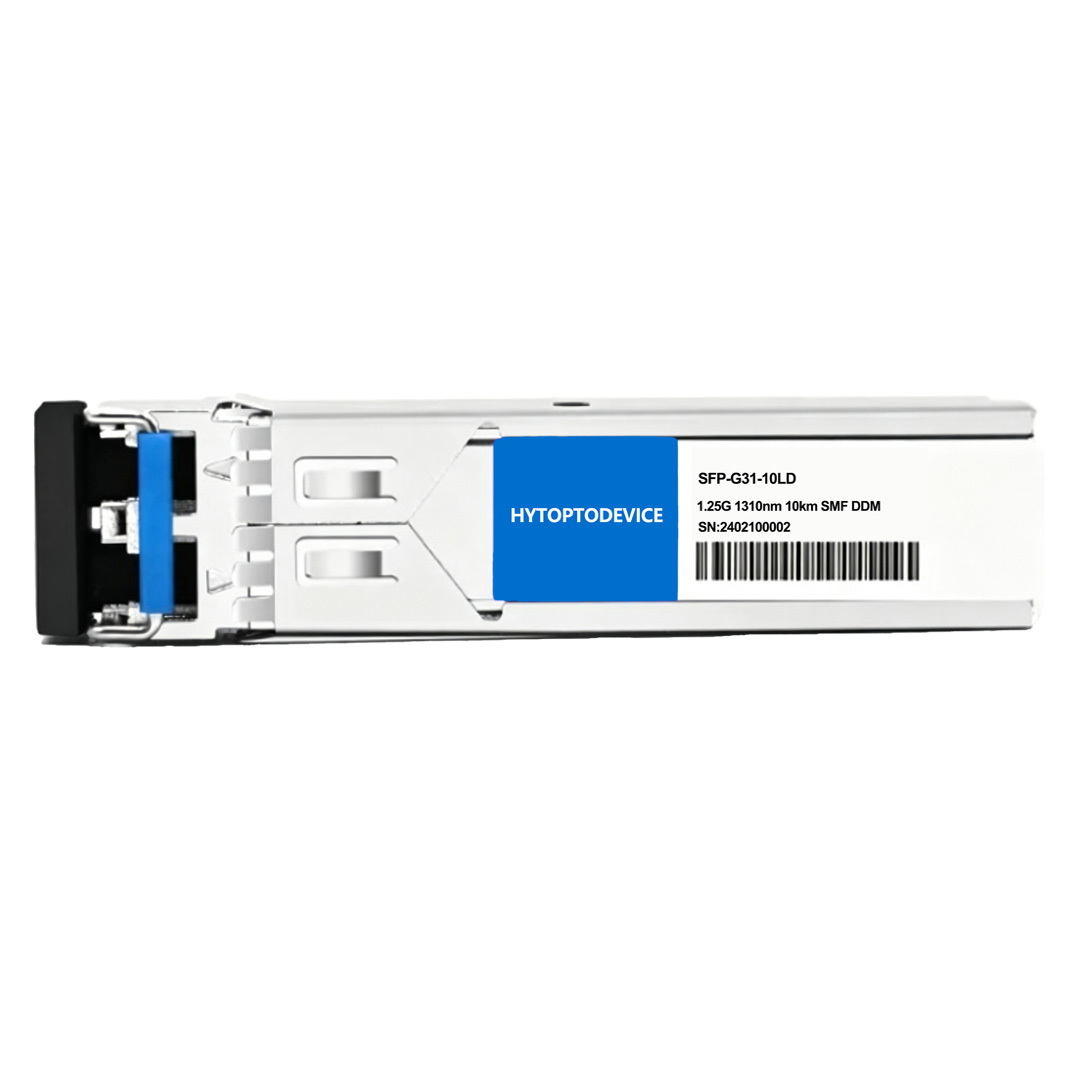
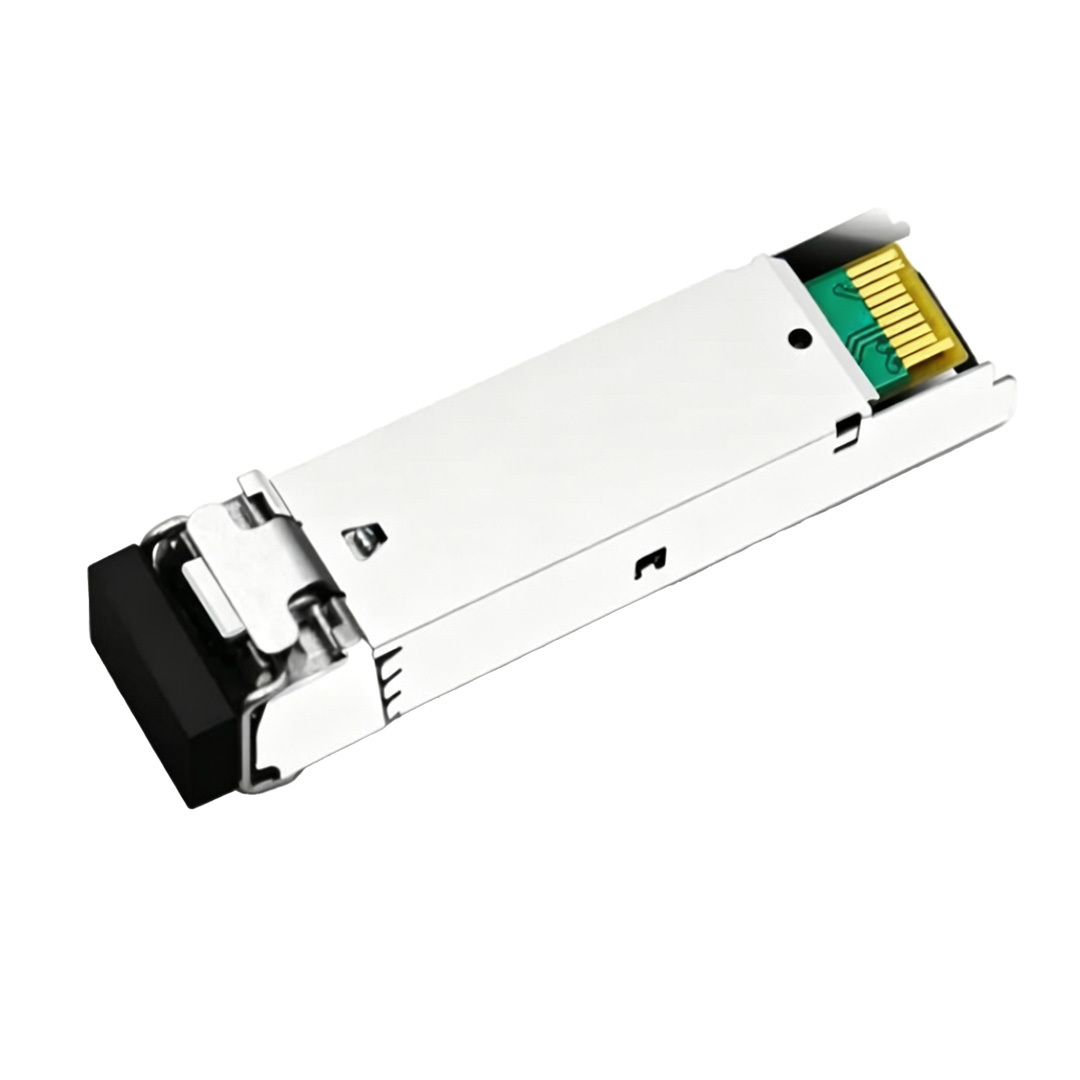
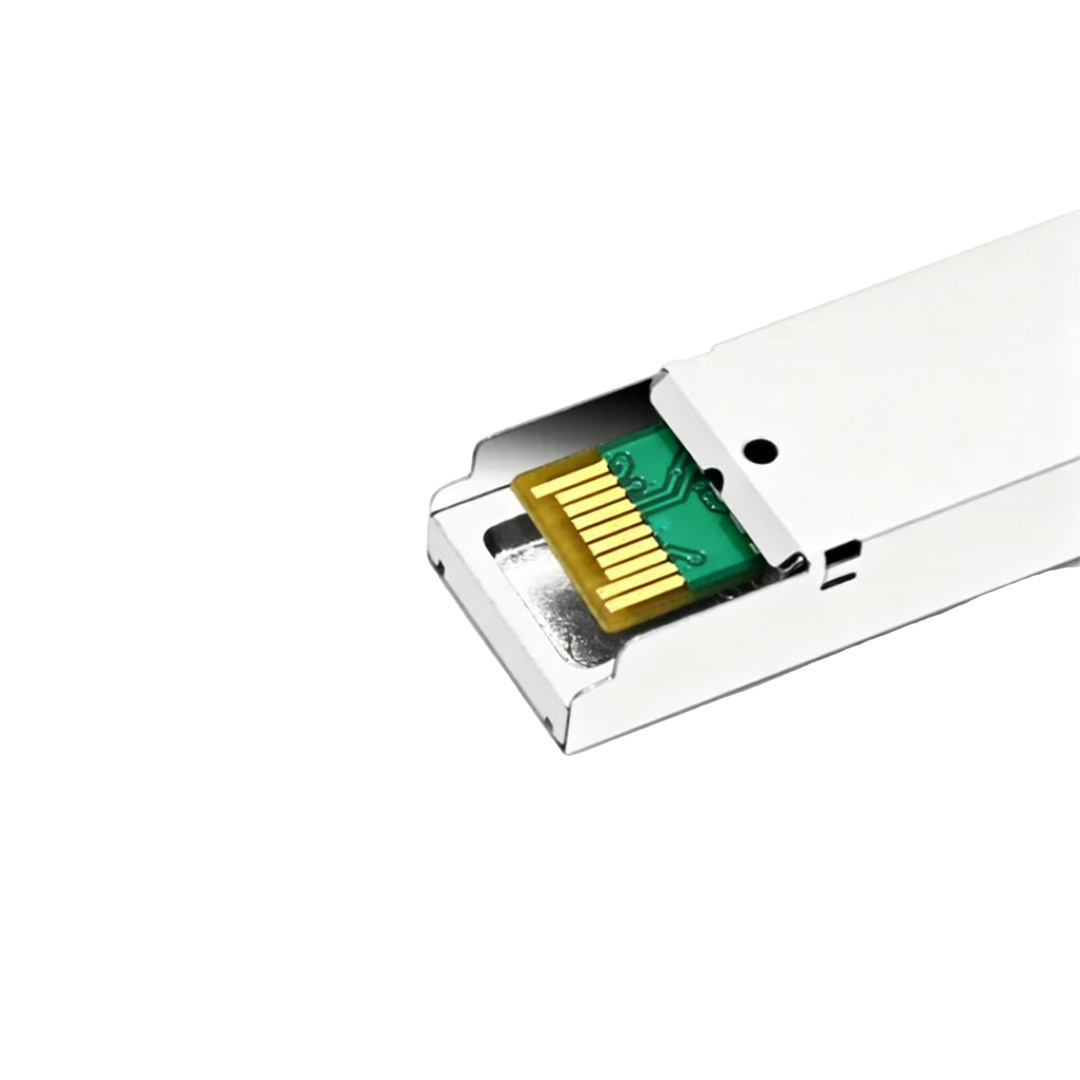
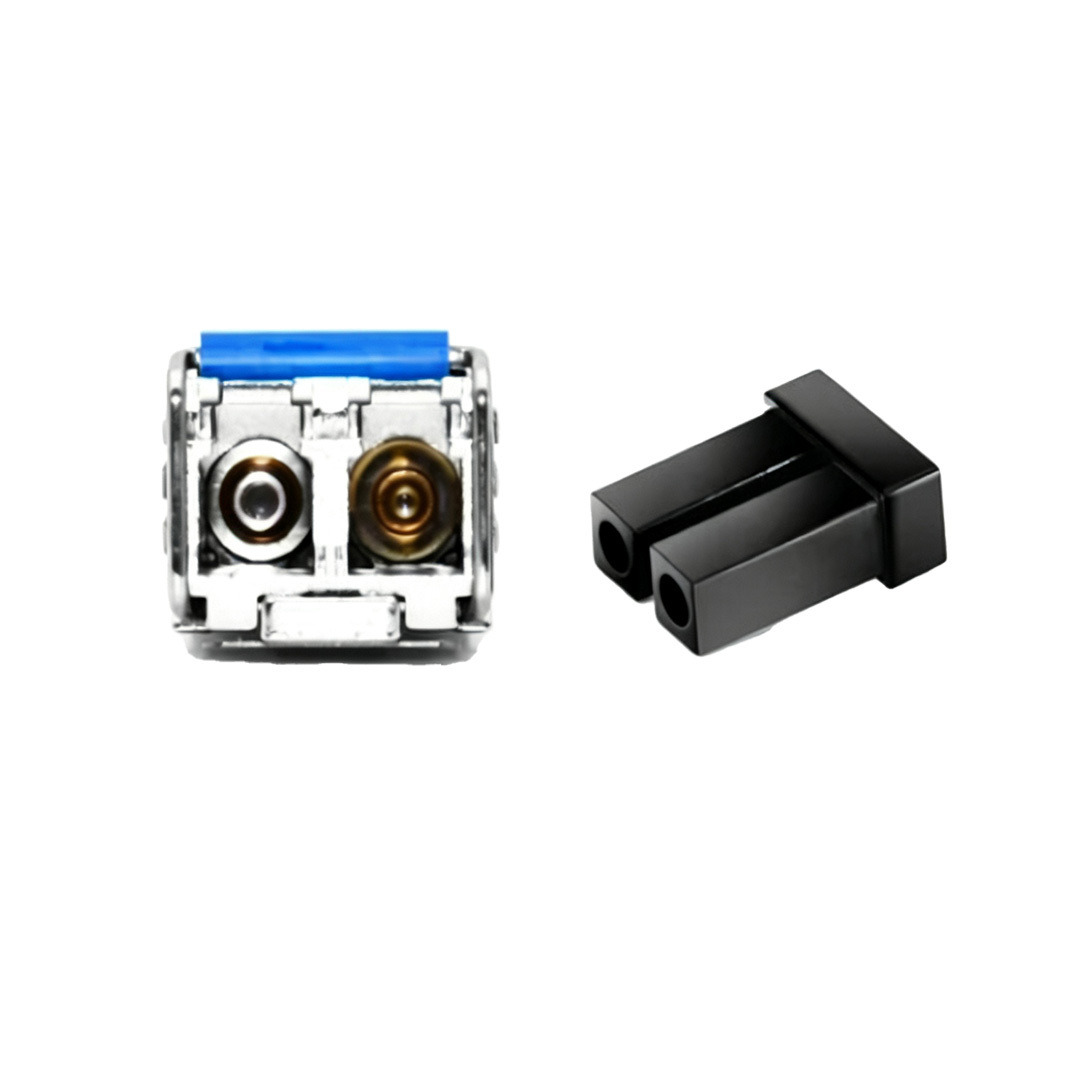
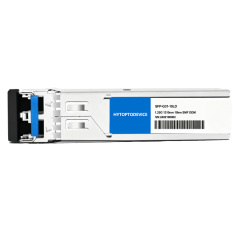
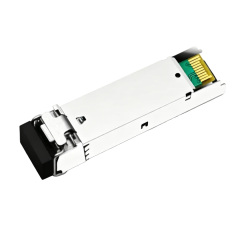
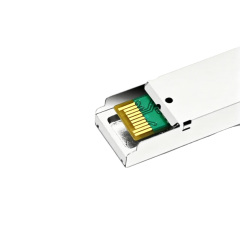
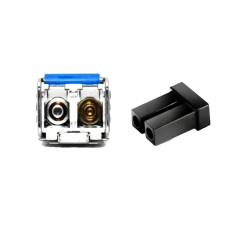
HYTOPTODEVICE 1000BASE-LX fiber optic transceiver delivers full pin-to-pin functional compatibility with original SMC BGLLCX1 modules. Custom programmed firmware bypasses SMC network device authentication, effectively resolving third-party module detection failures and system alarm logs.
Compliant with IEEE 802.3z and SFP MSA industry standards, this fiber optic transceiver delivers stable 1.25Gbps gigabit transmission speed. It supports error-free 10KM long-distance data transfer over G.652 single-mode fiber, ideal for commercial building and enterprise backbone networking.
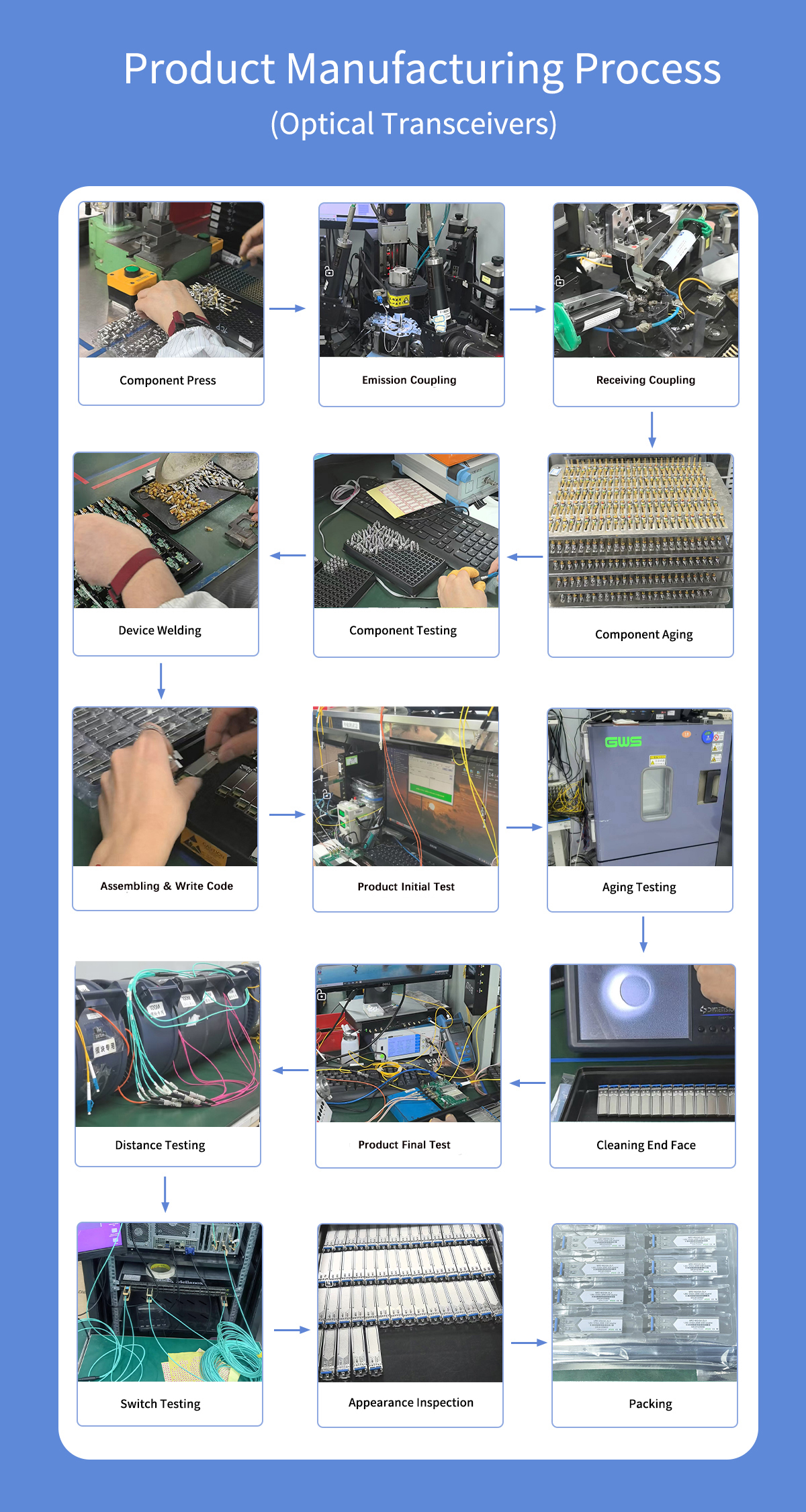
All fiber optic transceivers undergo strict SMC compatibility and aging tests. Featuring plug-and-play operation with zero configuration, they deliver stable performance for daily network maintenance and large-scale bulk deployment.
Q1: What maximum stable fiber reach can SMC BGLLCX1 compatible fiber optic transceiver support?
A: HYTOPTODEVICE SMC-compliant 1000BASE-LX fiber optic transceiver delivers consistent error-free transmission up to 10KM over standard G.652 single-mode fiber, fully meeting commercial enterprise long-distance networking requirements.
Q2: Do single-mode fiber deployments require mode conditioning cables for SMC LX transceivers?
A: Mode conditioning cables are unnecessary for standard single-mode fiber links. This HYTOPTODEVICE fiber optic transceiver is optimized for SMF operation, ensuring stable gigabit links without extra accessories.
Q3: What is the professional RX sensitivity rating for SMC BGLLCX1 gigabit fiber optic transceiver?
A: This SMC BGLLCX1 replacement fiber optic transceiver features an industrial-grade receiver sensitivity of ≤ -22 dBm, adapting to complex line loss conditions in commercial network environments.
Q4: How to troubleshoot and fix low RX power issues on SMC switch fiber links?
A: Low RX power on SMC switches stems from contaminated fiber ends, degraded jumpers, over-length cabling and reversed polarity. Cleaning interfaces and replacing faulty cables restores normal operation for HYTOPTODEVICE fiber optic transceiver.
Q5: Are SC-LC hybrid fiber patch cords compatible with SMC 1000BASE-LX SFP modules?
A: Yes, SC-to-LC hybrid patch cables work seamlessly with this HYTOPTODEVICE SMC compatible fiber optic transceiver, with zero impact on gigabit signal quality and link stability.
Q6: How does incorrect fiber TX/RX polarity affect SMC enterprise switch uplink performance?
A: Wrong TXRX polarity completely cuts off bidirectional optical signals, causing SMC switch port downtime. Correct polarity matching guarantees normal data transmission of the fiber optic transceiver.
Q7: Why should APC fiber connectors be avoided with SMC BGLLCX1 SFP transceiver?
A: APC green connectors generate optical back reflection, leading to random packet loss and intermittent link flapping. Standard UPC blue cables are mandatory for stable operation of this SMC compatible fiber optic transceiver.
Q8: What core factors cause unstable intermittent link failures on SMC 1310nm LX fiber links?
A: Common failures include dirty fiber interfaces, uncalibrated generic modules, poor cable contact and fluctuating optical power. HYTOPTODEVICE factory-calibrated fiber optic transceiver eliminates most unstable link issues.
Q9: What temperature scope ensures reliable operation of SMC compatible fiber optic transceiver?
A: This HYTOPTODEVICE commercial-grade fiber optic transceiver supports a stable working temperature range of 0℃ to 70℃, suitable for 24/7 indoor operation of SMC commercial switches and network devices.
Q10: How does fiber end contamination impact 1310nm LX link stability on SMC networks?
A: The 1310nm wavelength of this fiber optic transceiver is extremely sensitive to dust and stains. Unclean fiber ends increase signal attenuation, trigger power alarms and degrade long-term SMC network link reliability.
Q11: Do HYTOPTODEVICE SMC BGLLCX1 replacement transceivers pass global safety certifications?
A: All HYTOPTODEVICE fiber optic transceiver compatible with SMC BGLLCX1 is fully certified with CE, FCC, RoHS and REACH, complying with international commercial network deployment and safety standards.
Q12: Can harsh low-temperature environments affect SMC LX transceiver operational stability?
A: Yes, sustained sub-zero temperatures disrupt laser emission accuracy and optical power stability. This commercial fiber optic transceiver is designed exclusively for indoor temperature-controlled SMC network environments.
Q13: Does SMC 1.25G LX fiber optic transceiver support 100Mbps speed downgrade negotiation?
A: No, this HYTOPTODEVICE gigabit fiber optic transceiver adopts fixed 1.25Gbps rate without auto-negotiation, and cannot operate at 100Mbps fast Ethernet speed for SMC network links.
Q14: Is SMC 1000BASE-LX SFP module applicable for cellular base station CPRI signal transmission?
A: This fiber optic transceiver is engineered for standard Ethernet commercial networking only, and does not support dedicated CPRI or OBSAI cellular tower signal transmission protocols.
Q15: Which industry standards govern 1.25G 1310nm single-mode LX transceiver specifications?
A: This HYTOPTODEVICE SMC-compatible fiber optic transceiver strictly adheres to IEEE 802.3z gigabit Ethernet and SFP MSA standards that define 1310nm LX single-mode transmission parameters.
Q16: Can human eyes observe the infrared laser emitted by SMC 1310nm LX transceiver?
A: The 1310nm infrared laser used by this fiber optic transceiver is invisible to the human eye. Direct long-term observation of SFP ports is prohibited to avoid laser radiation risks.
Q17: What key criteria define a trusted fiber optic transceiver supplier for commercial network bulk projects? A: Commercial network upgrades require high-compatibility, zero-alarm fiber optic transceiver. HYTOPTODEVICE delivers SMC BGLLCX1 compatible modules with full testing, DDM monitoring, OEM customization and 5-year warranty.
Contact sale@hytoptodevice.com for bulk project quotations.
Why Network Engineers Choose HYTOPTODEVICE