| NO. | Item | Specification |
| 1 | Speed | 200G |
| 2 | Wavelength | 1271,1291,1311,1331nm |
| 3 | Max Distance | 2km |
| 4 | Connector | Duplex LC |
| 5 | Fiber Type | Single-Mode Fiber (SMF) |
| NO. | Brand | Compatible P/N | Remarks |
| 1 | Cisco | QSFP-200G-FR4-S | |
| 2 | Arista | QSFP-200G-FR4 | |
| 3 | Huawei | QSFP56-200G-FR4 | |
| 4 | H3C | QSFP56-200G-FR4 |
The Cisco QSFP-200G-FR4-S is supported across a wide array of high-density Cisco routing and switching platforms. Below is a detailed matrix of compatible hardware series and specific chassis models:
Nexus 9300 Fixed Configuration Switches: Cisco Nexus 9332D-GX2B, Cisco Nexus 9364C-GX, Cisco Nexus 9316D-GX.
Nexus 9400/9500 Modular Chassis Line Cards: Supported on Cisco Nexus 9408 and 9500 modular series when equipped with high-density GX-generation line cards, such as the N9K-X9400-8D module.
Cisco 8100 Series Fixed Routers: Cisco 8102-64H.
Cisco 8200 Series Deep-Buffer Routers: Cisco 8201-32FH.
Cisco 8800 Series Modular Routers: Fully compatible with high-capacity line cards, specifically the 88-LC0-36FH 36-port 400G/200G QSFP-DD line card architecture.
ASR 9000 Fixed/Compact Chassis: Cisco ASR-9903, Cisco ASR-9902.
ASR 9000 Ethernet Line Cards: Integrates seamlessly via high-density 400G/200G transport line cards featuring flexible port speeds, such as the A9K-20HG-FLEX-SE and A9K-20HG-FLEX-TR modules.
NCS 5500 Fixed Systems: Cisco NCS-55A1-36H-SE, Cisco NCS-55A2-MOD.
NCS 5500 Modular Line Cards: Supported across standard 36-port 100G/200G QSFP56 architecture line cards operating under Cisco IOS XR software.
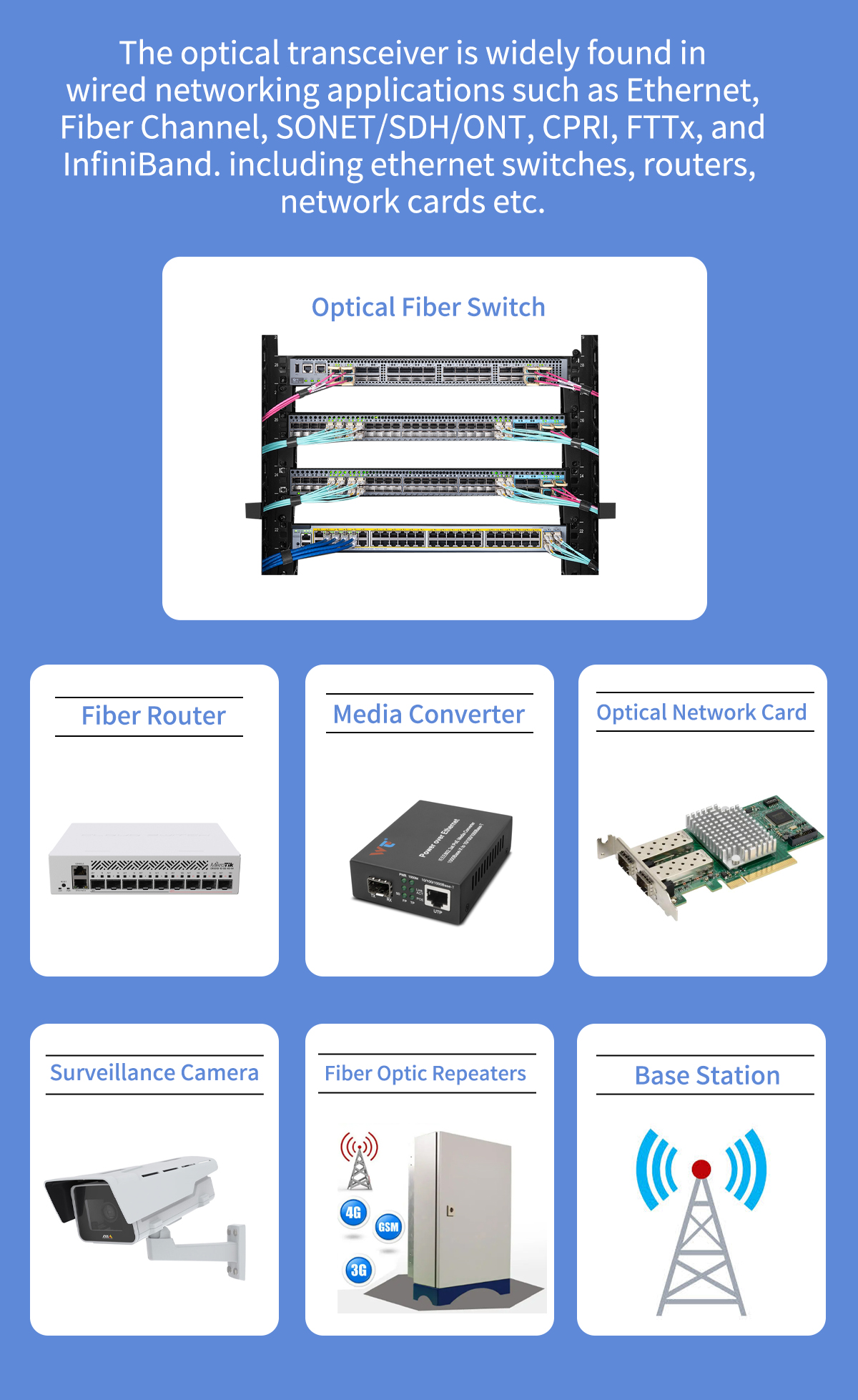
Data Center Interconnect (DCI): High-speed, low-latency spine-to-spine and spine-to-leaf optical links within modern tier-1 and cloud provider data centers.
Enterprise Networking: Core layer upgrades for enterprise networks requiring high-density 200G aggregation switches.
Service Provider Networks: High-capacity transport links for metropolitan networks and service provider edge routing infrastructures.
| Cisco Compatible |
QSFP-200G-FR4-S |
Vendor Name | HYTOPTODEVICE |
| Form Factor | QSFP56 | Max Data Rate | 200Gbps (4x50Gbps) |
| Wavelength | 1271nm, 1291nm, 1311nm and 1331nm
|
Max Distance | 2km |
| Modulation Format | PAM4 | Host Required | FEC |
| Connector | Duplex LC | Voltage Supply | 3.3V |
| Cable Type | SMF | DDM Support | Yes |
| Transmitter Type | EML CWDM4 | Receiver Type | PIN |
| TX Power | -4.2~+4.7dBm | Receiver Sensitivity | < -8.2dBm |
| Operation Temperature | 0 to 70°C (32 to 158°F) | Maximum Power | < 6.5W |
| Protocols | QSFP56 MSA, IEEE 802.3bs 200GBASE-FR4 |
Application | 200G Ethernet, 200G InfiniBand HDR, Data Center Interconnect |


Q1: What is the difference between QSFP56 and QSFP28 form factors?A1: While both share the same physical dimensions, the QSFP56 form factor utilized by the QSFP-200G-FR4-S uses 50G PAM4 modulation per lane (4x 50G), enabling a total bandwidth of 200G. In contrast, QSFP28 relies on older NRZ (Non-Return-to-Zero) modulation at 25G per lane (4x 25G) to deliver 100G total bandwidth.
Q2: Can the Cisco QSFP-200G-FR4-S be broken down into 4x 50G or 2x 100G channels?A2: No. The 200GBASE-FR4 standard multiplexes 4 internal lanes onto a single duplex LC fiber pair using CWDM wavelengths. Because it outputs through a single duplex LC connector rather than an MPO/MTP breakout connector, it does not support breakout configurations into 4x 50G or 2x 100G channels. It must be used as a native 200G-to-200G link.
Q3: Does this module require FEC (Forward Error Correction) on the host platform?A3: Yes. Per IEEE 802.3bs standards, the host system must enable KP4 FEC (RS-FEC) to achieve error-free transmission over the 2 km single-mode fiber span.
Q4: What happens if I plug a QSFP-200G-FR4-S into a 400G QSFP-DD port?A4: Most modern modern Cisco 400G QSFP-DD ports are backward compatible with QSFP56 modules. The module will physically fit and operate normally at 200G, provided the host switch configuration overrides the port speed to 200G and appropriate software support is present.
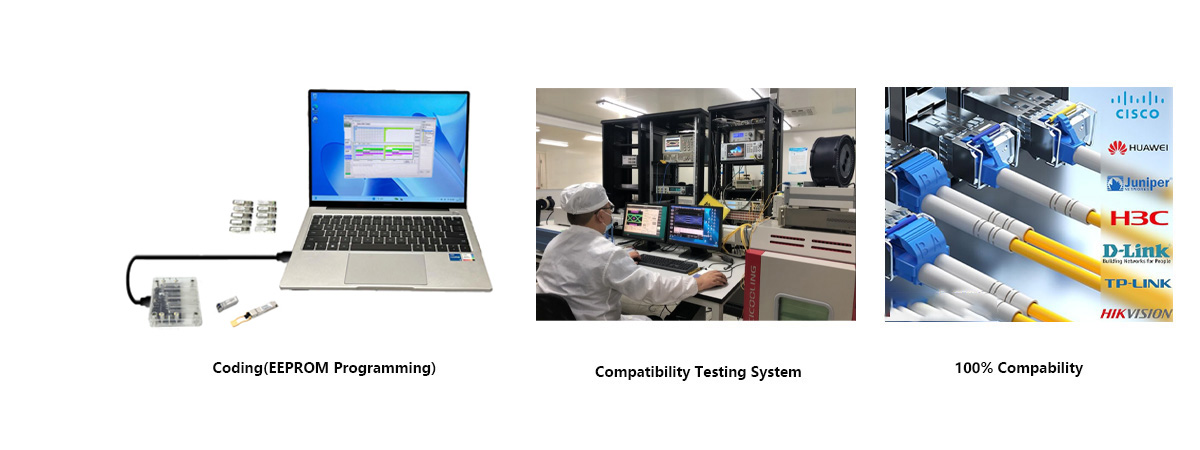
Q5: Is the Cisco QSFP-200G-FR4-S compatible with third-party, non-Cisco switches? A5: This specific Cisco OEM module contains Cisco-specific EEPROM coding. If plugged into a non-Cisco switch that strictly enforces vendor locking, the host switch may flag it as unauthorized. For mixed-vendor environments, custom-coded compatible optics are typically recommended.
Q6: What is the maximum power consumption of this transceiver? A6: The Cisco QSFP-200G-FR4-S typically operates within a maximum power budget of 7.0 Watts, aligning with the Power Class 4 cooling specifications of the QSFP56 MSA standard.
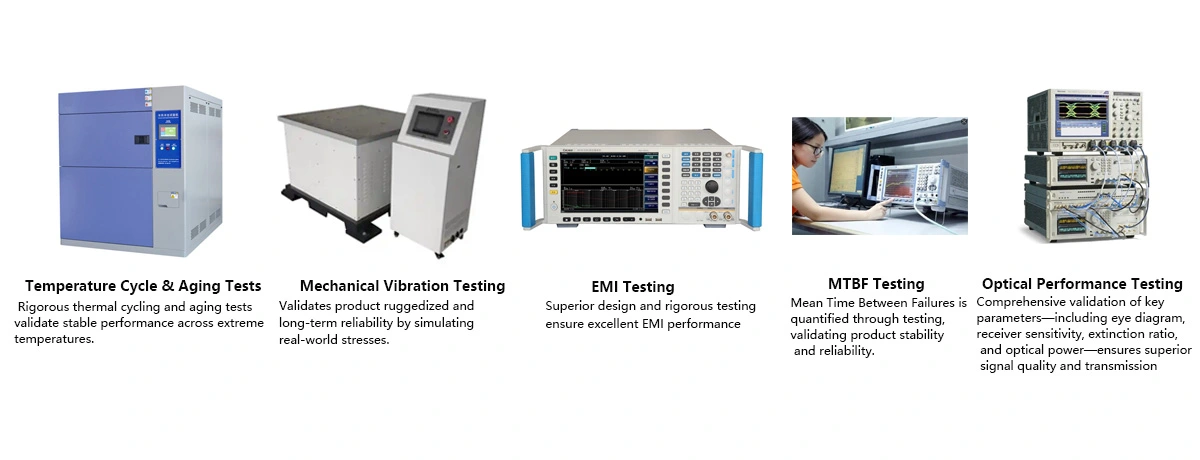
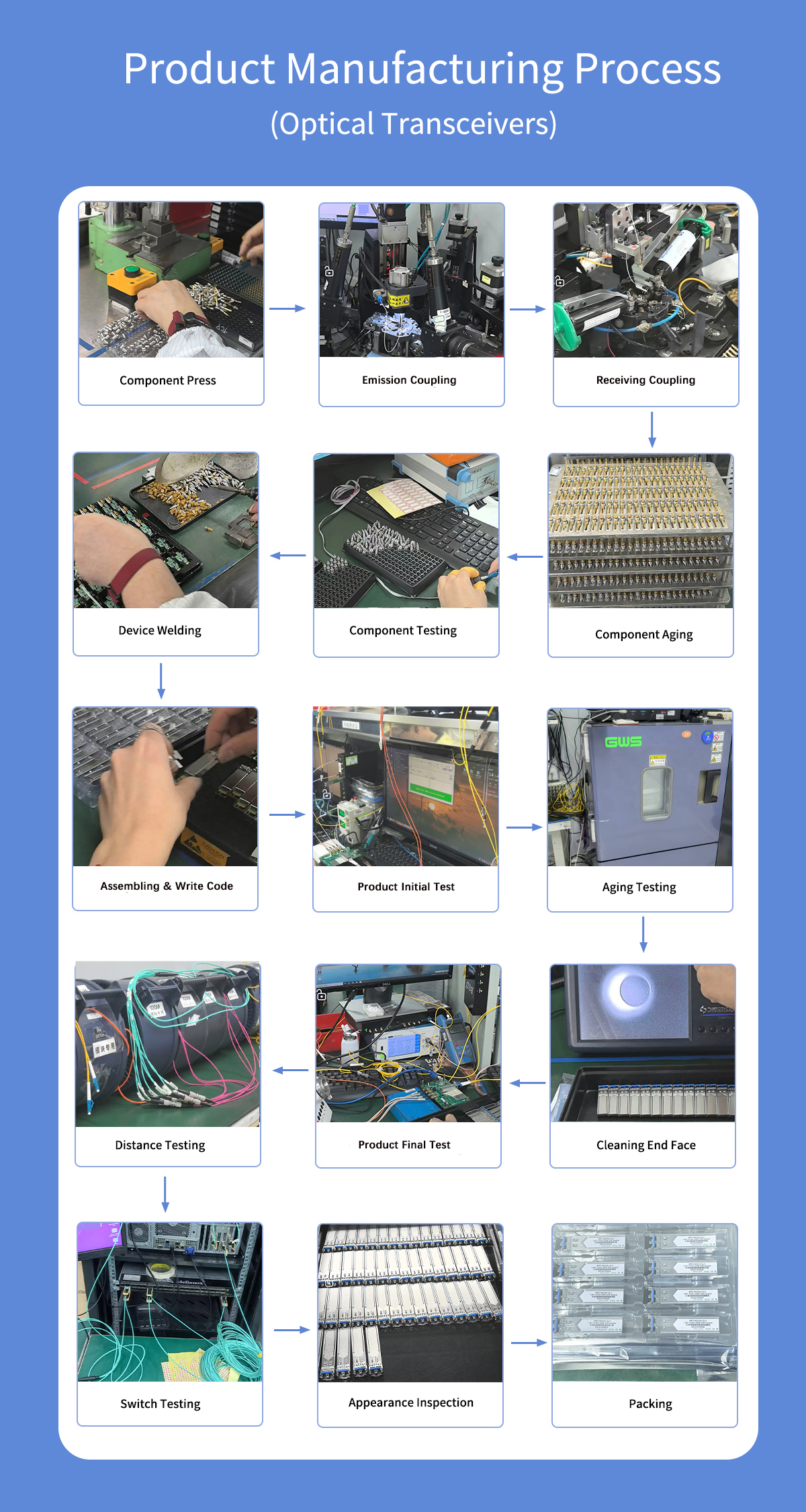
HYTOPTODEVICE has supplied over 5000,000 optical transceiver modules to data centers, ISPs, and enterprise networks across 100+ countries since 2011. Every module undergoes a 72-hour burn-in test and full DDM/DOM validation before shipment.
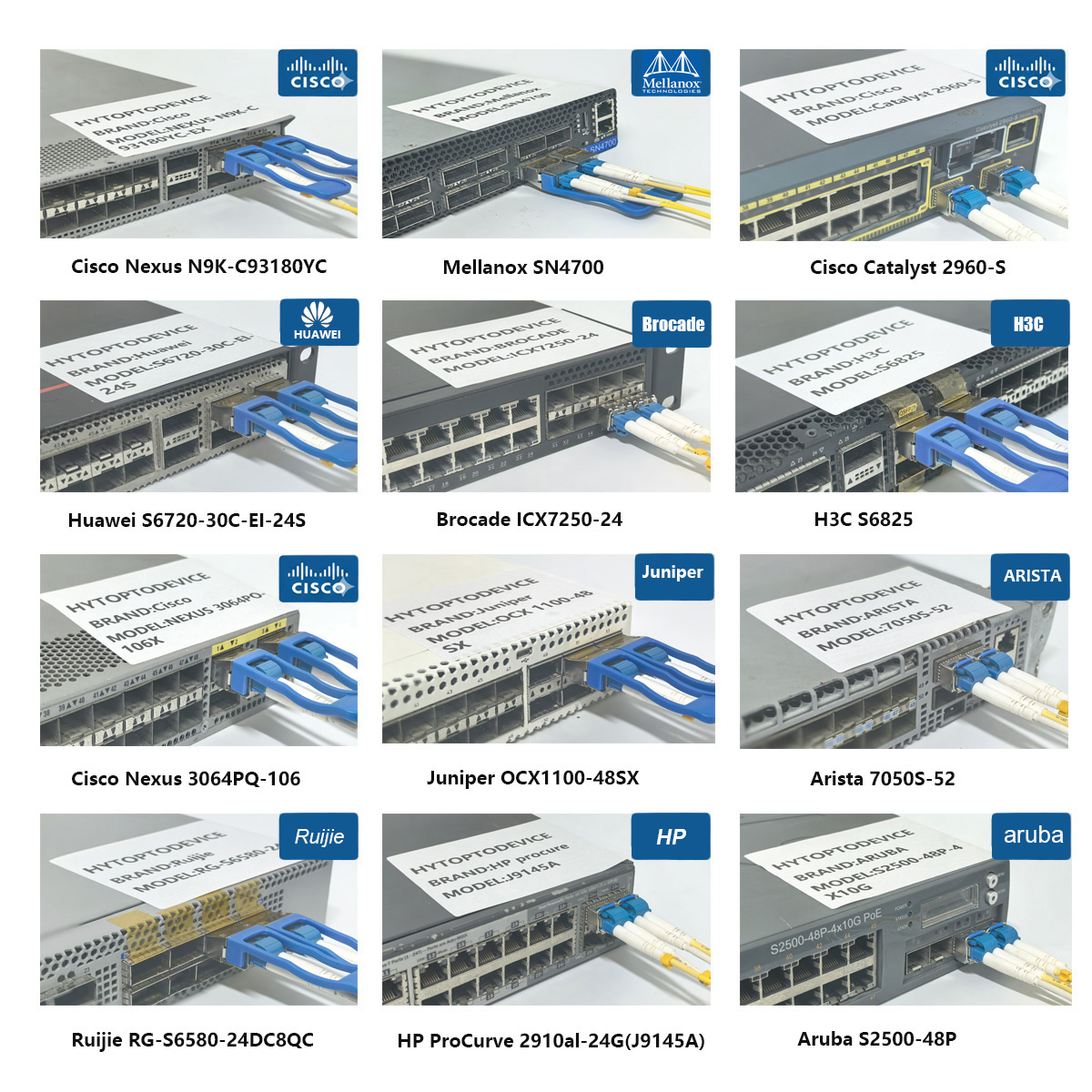
"We replaced 200 Cisco-branded SFPs with HYTOPTODEVICE equivalents across our spine layer — zero compatibility issues, 40% cost reduction."— Network Architect, Tier-2 ISP, Germany
Quality Certification & Compliance:
At HYTOPTODEVICE, our quality commitment is backed by industry-standard validations. From fiber optical transceiver manufacturing to final inspection, our processes ensure global compliance and reliability.
We adhere to rigorous standards for our SFP modules and network solutions:
ISO 9001: Certified quality management and production consistency.
CE & FCC: Fully compliant for seamless Global Market Access.
RoHS: Committed to environmental responsibility and hazardous material control.
Proven Reliability: Rigorous testing to reduce compliance risk and ensure safety.
Certified Quality. Global Standards. Guaranteed Performance.