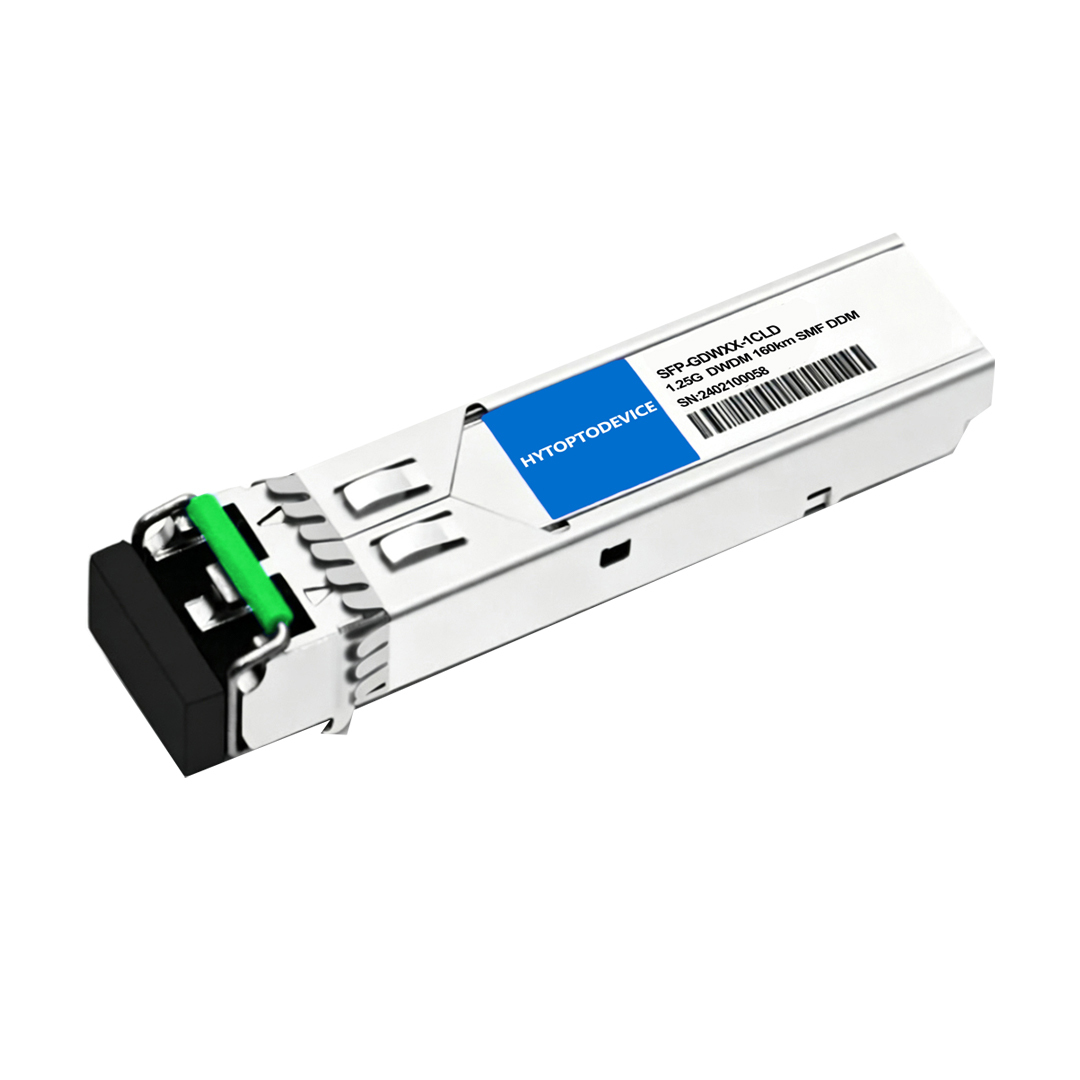
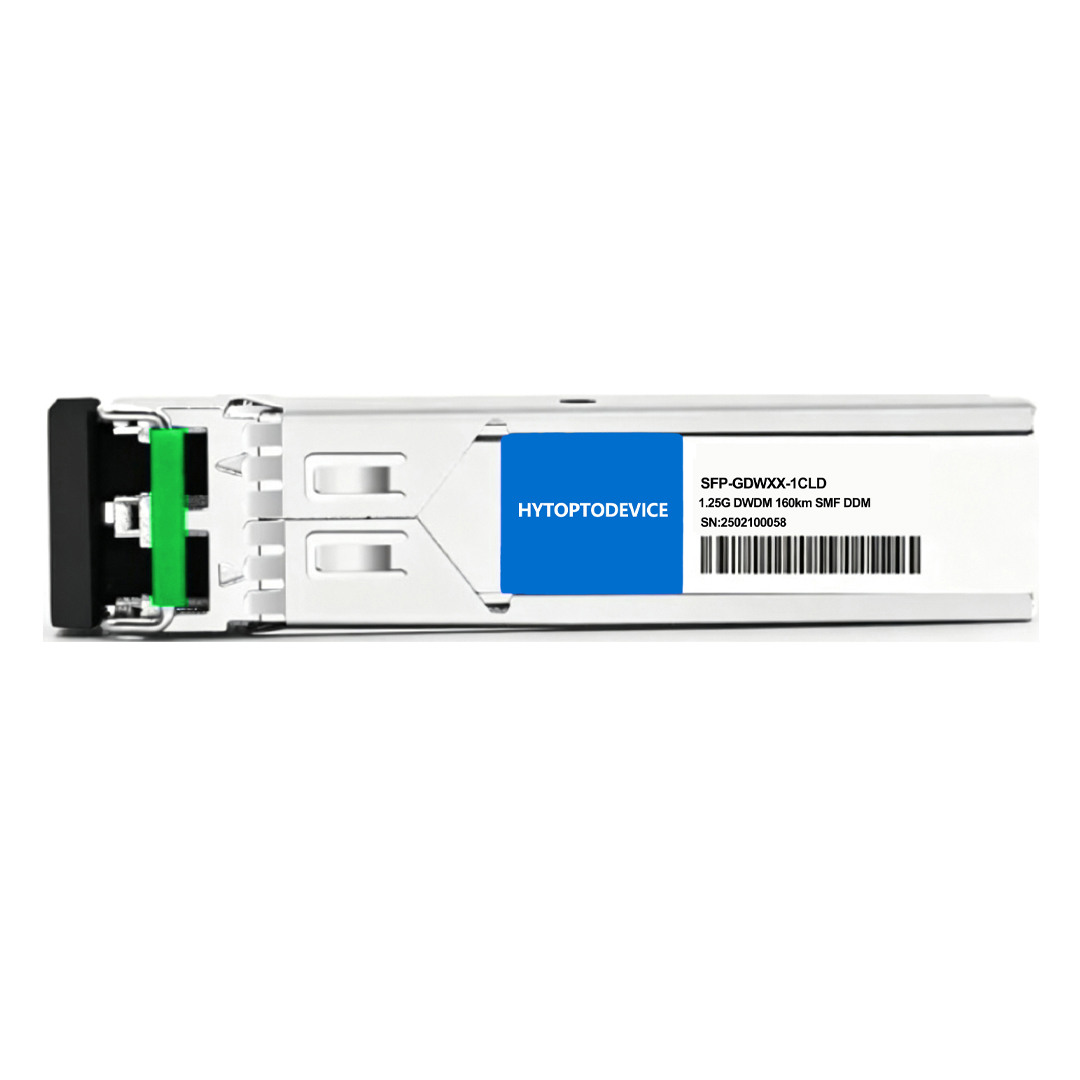
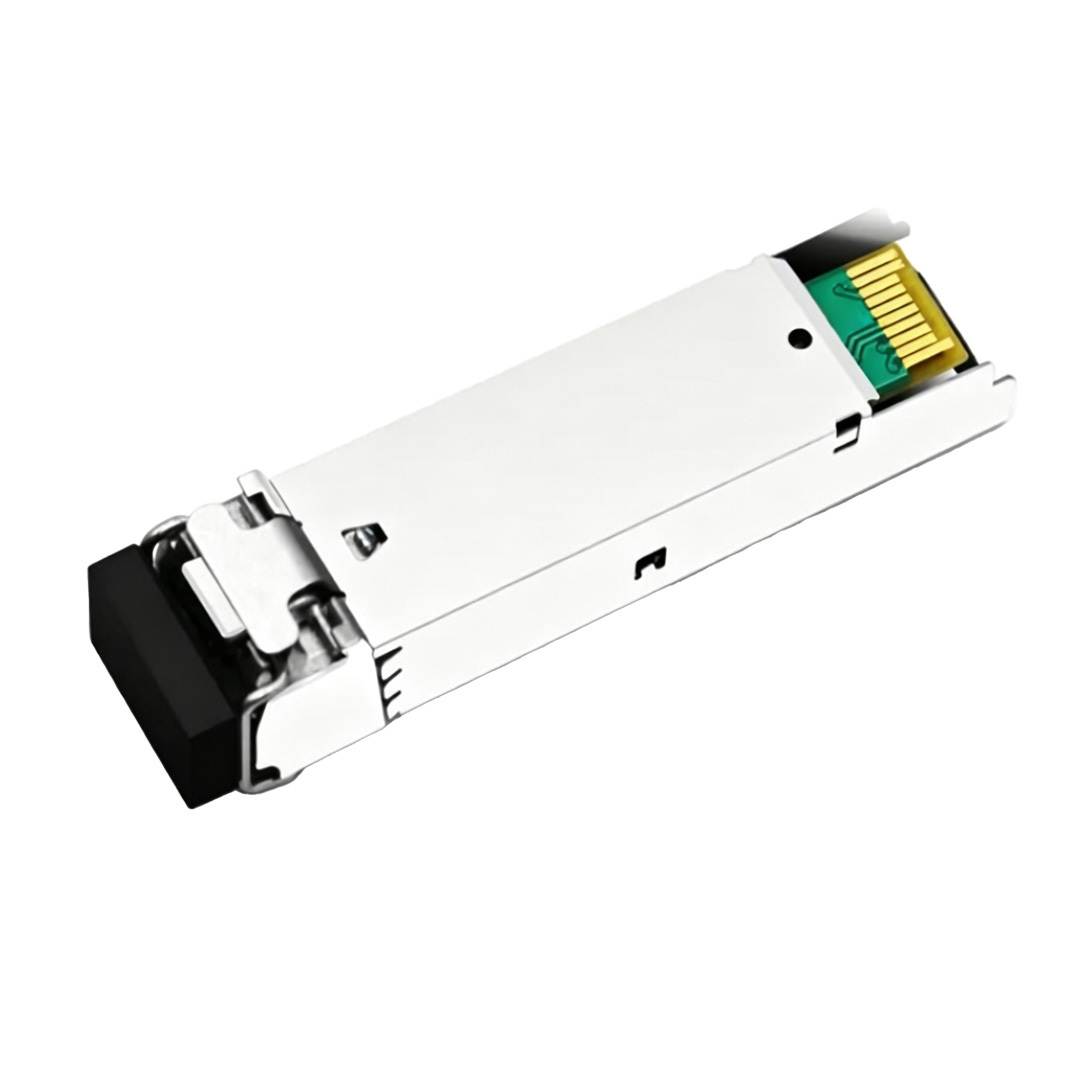
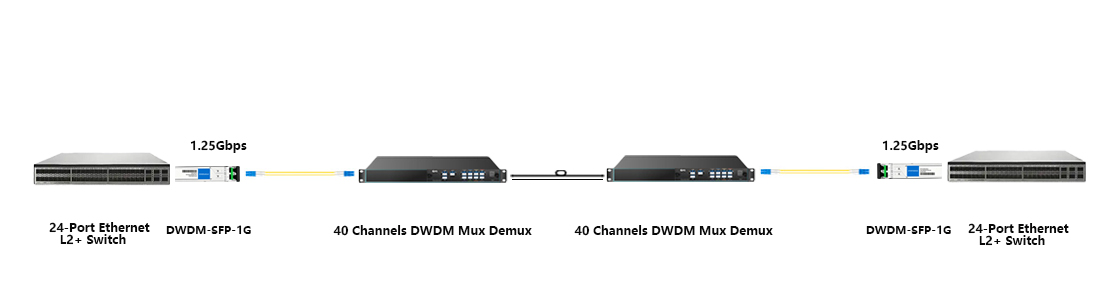
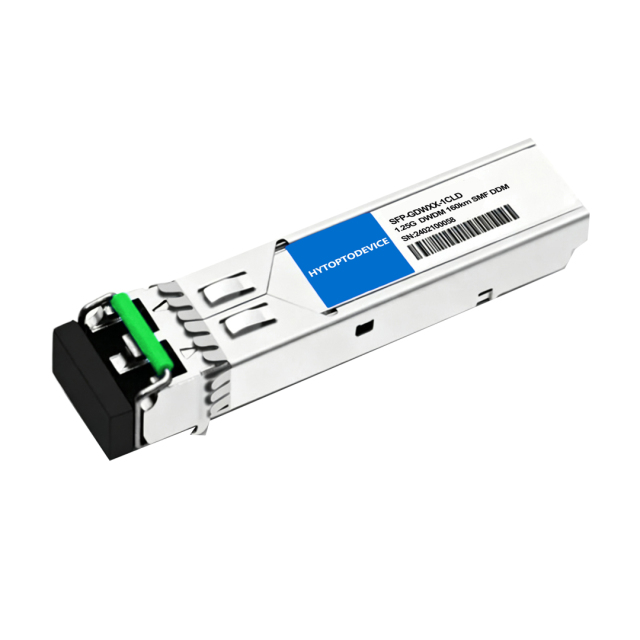
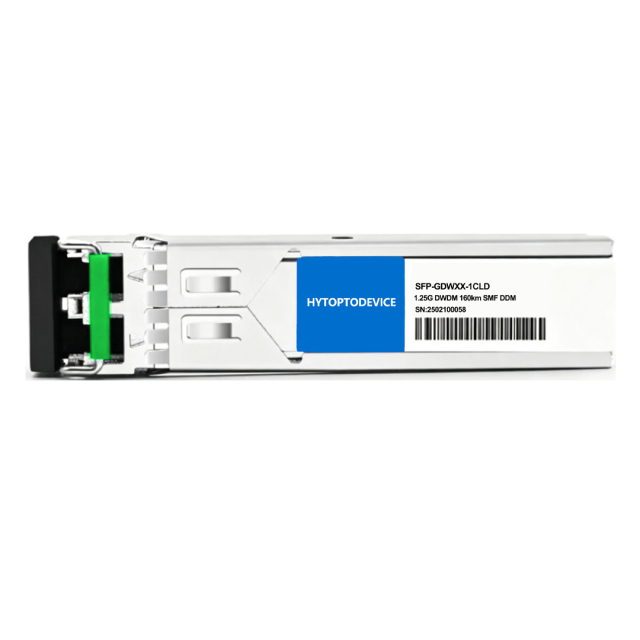
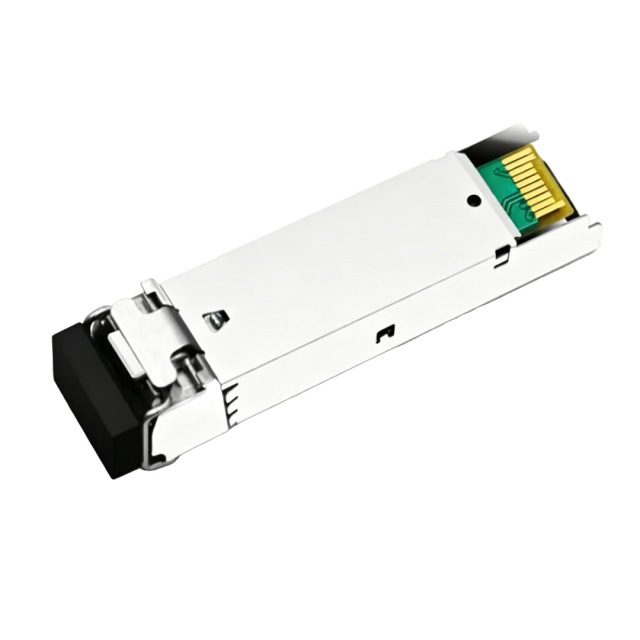
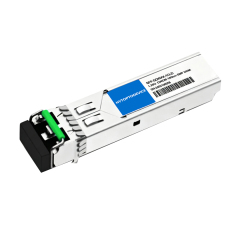
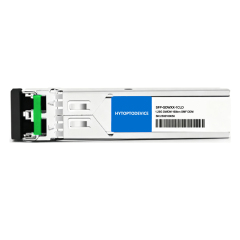
A: This C61 DWDM fiber optic transceiver strictly complies with the ITU-T 100GHz C-Band grid standard (Channels C17 to C61), precisely calibrated for 100GHz channel spacing at 196.0 THz (1528.77nm). It is fully adapted to standard 100GHz DWDM MUX/DEMUX deployment within the mainstream C-Band wavelength range, ensuring accurate channel isolation, no crosstalk and stable multiplexing transmission, and does not support 50GHz narrow grid spacing.
Q2: Is the laser transmitter an EML or DFB laser?
A: This long-haul DWDM fiber optic transceiver adopts a high-precision DFB (Distributed Feedback) laser with built-in TEC temperature locking. DFB laser features superior wavelength stability and low spectral width, perfectly matching 120km single-mode long-distance transmission and standard DWDM channel grid requirements.
Q3: What is the wavelength stability over temperature changes?
A: Equipped with intelligent TEC constant-temperature control, this fiber optic transceiver maintains ultra-high wavelength stability across the full commercial operating temperature range (0°C to 70°C). The wavelength deviation of 1528.77nm is strictly controlled within ±0.1nm, effectively preventing temperature-induced wavelength drift and channel crosstalk in DWDM networking.
Q4: Can DDM trigger alarm thresholds before a complete link outage?
A: Yes. The SFF-8472 compliant DDM/DOM function of this DWDM fiber optic transceiver supports customizable real-time threshold alarms for transmit power, receive power, working temperature and operating voltage. It actively triggers early warning alerts before bit error rise or full link outage, enabling pre-maintenance and avoiding sudden network downtime.
Q5: How much insertion loss should I factor in for DWDM MUX/DEMUX units?
A: For standard 100GHz DWDM MUX/DEMUX deployment matching this 160km fiber optic transceiver, reserve 4~6dB typical insertion loss per multiplexer/demultiplexer pair. With the module’s high Tx power (0~+5dBm) and high APD receiver sensitivity (-34dBm), it provides sufficient link loss margin to offset MUX/DEMUX attenuation, connector loss and fiber cable loss for stable 160km transmission.
Q6: Can I use optical amplifiers (EDFA) with 1.25G DWDM 160km SFPs?
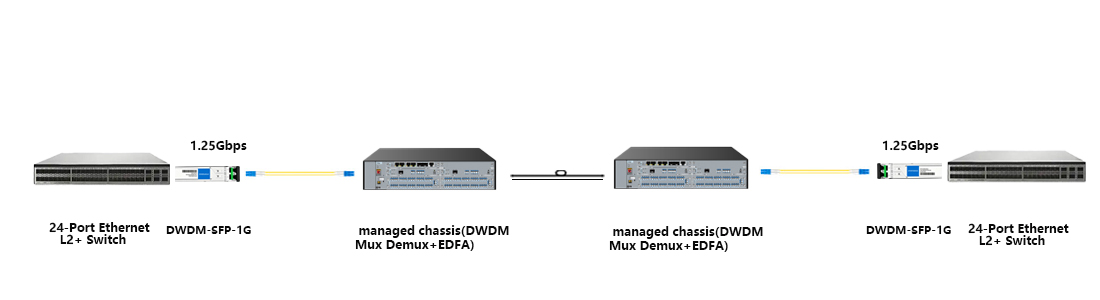
A: Absolutely compatible. This 1.25G DWDM fiber optic transceiver supports stable coordination with EDFA optical amplifiers. EDFA effectively compensates long-distance fiber attenuation and MUX/DEMUX insertion loss, optimizing signal integrity for full-span 160km long-haul backbone links and ultra-long DWDM transmission networking.
Q7: What tests should be conducted prior to field installation?
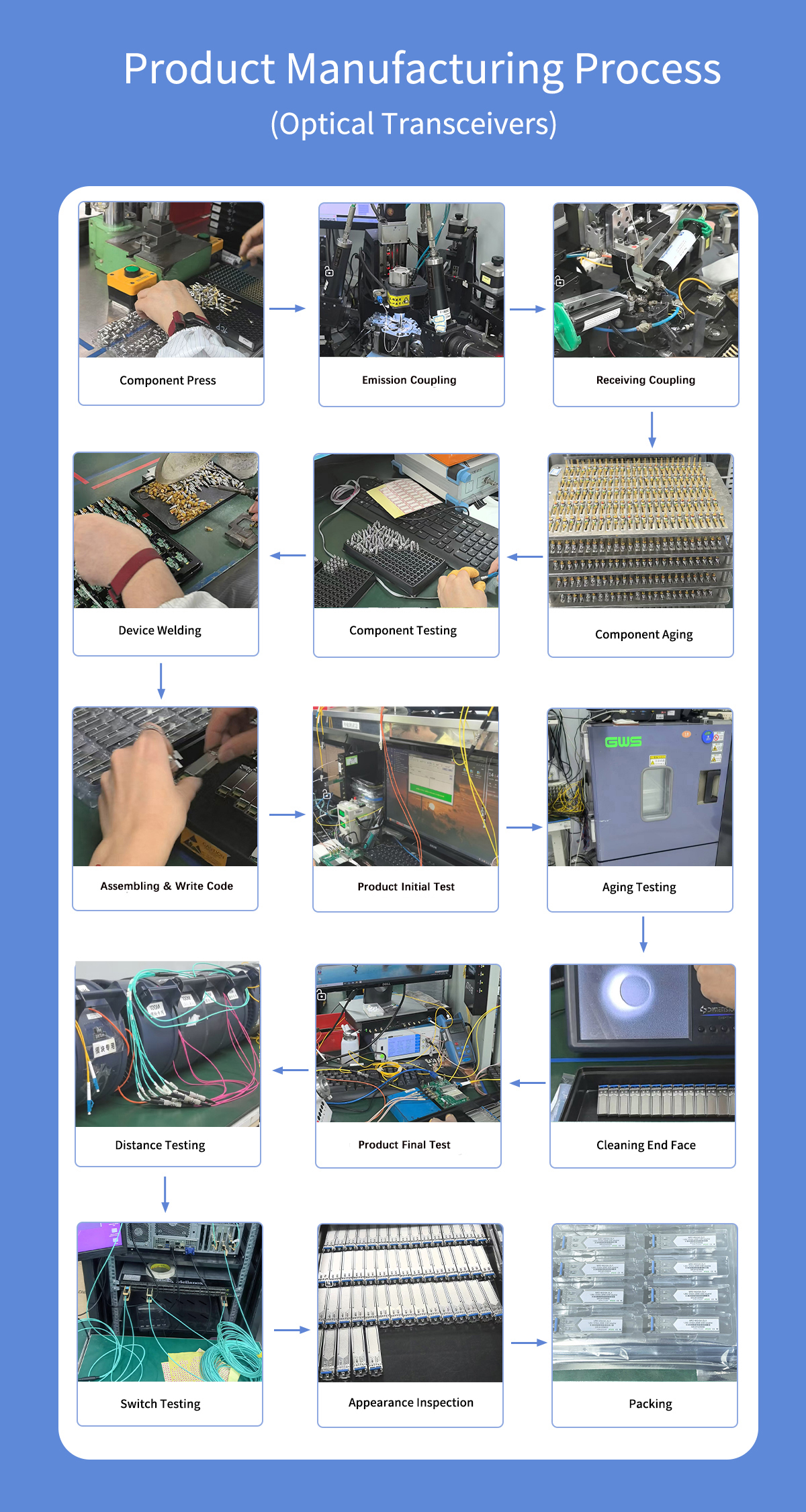
A: Before field deployment of this DWDM fiber optic transceiver, complete key pre-installation tests: wavelength accuracy verification, Tx/Rx optical power consistency testing, DDM monitoring data calibration, 24-hour continuous hot-plug stability testing, and link bit error rate (BER) testing over simulated long-haul fiber links to ensure zero-fault field operation.
Q8: What warranty period is standard for long-reach DWDM modules?
A: Our long-reach 160km DWDM fiber optic transceiver provides a 5-year standard factory warranty. All modules pass strict 72-hour high-temperature aging and long-haul pressure tests, with stable batch quality and professional long-term after-sales technical support for bulk engineering deployment projects.
Q9: What should I do if the DDM reports an APD High Current / High Bias alarm?
A: An APD high current/high bias alarm on the fiber optic transceiver usually results from excessive received optical power, aging APD chip or abnormal link reflection. Troubleshoot by adding appropriate optical attenuators, cleaning fiber connectors, checking link return loss, and verifying DDM threshold settings to eliminate overload and ensure stable APD receiver operation.
Q10: What protocols are supported by 1.25G DWDM SFPs?
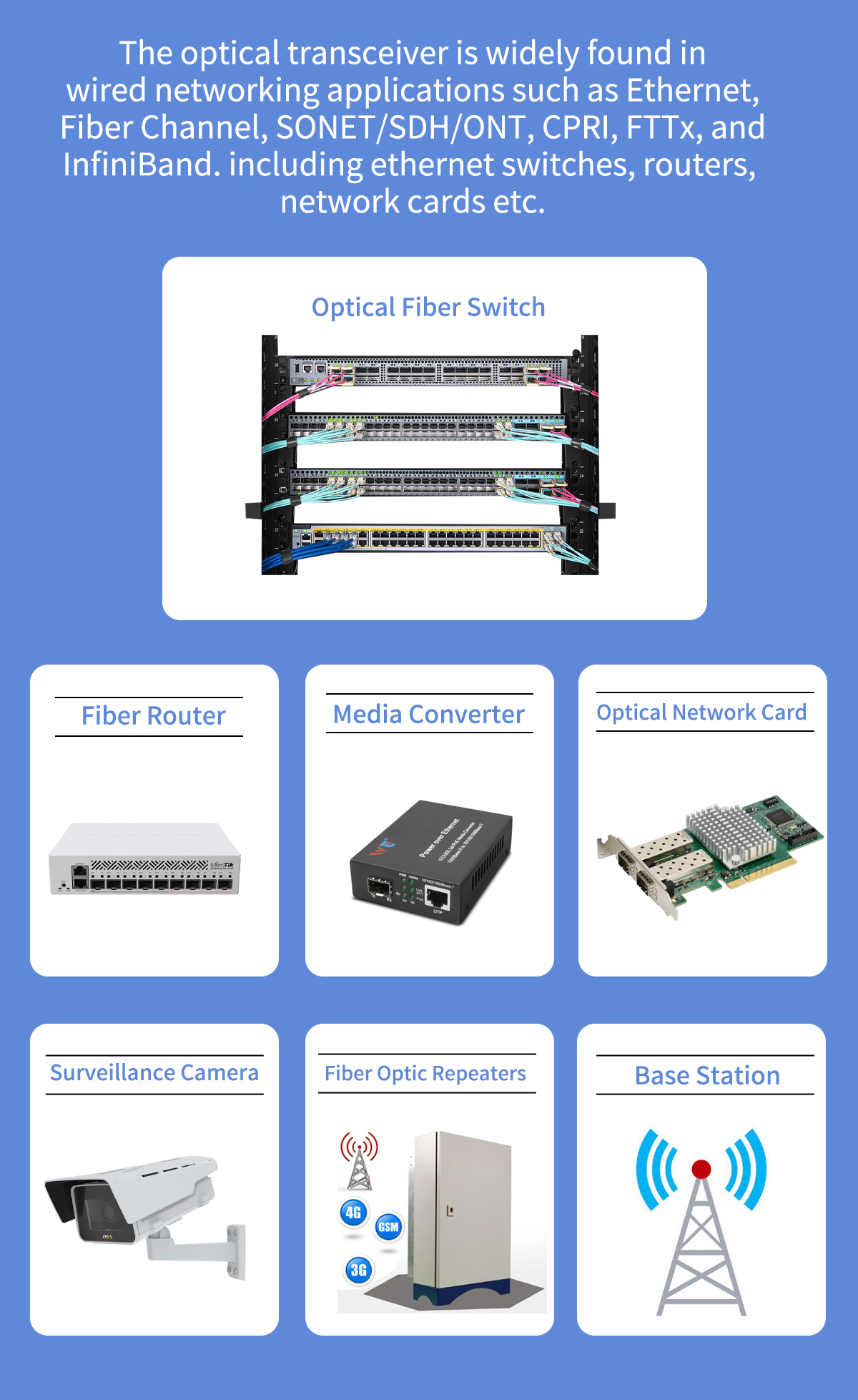
A: This 1.25G DWDM fiber optic transceiver supports mainstream standard protocols including 1000BASE-DWDM, Gigabit Ethernet, FC (Fiber Channel) basic rate, and complies with SFF-8472, MSA and RoHS industry standards. It is fully adaptive for gigabit DWDM multiplexing, enterprise private network and telecom backhaul transmission protocols.
Q11: Can this 160km transceiver be used on a short 20km link?
A: Yes, this 160km long-haul fiber optic transceiver supports short-distance 20km and below link deployment. To prevent excessive optical power from overloading the APD receiver and causing link instability or component damage, must deploy a 20–25dB optical attenuator on links ≤20km to protect the fiber optic transceiver and ensure error-free stable transmission.
Q12: How do I specify the correct part number when ordering?
A: When ordering, specify the full standard part number:DWDM‑SFP‑2877‑160 (Cisco C61 1528.77nm 100GHz 160km 1.25G). Confirm core parameters including C61 channel, 1528.77nm wavelength, 100GHz grid spacing, 160km transmission distance and Cisco compatible firmware to ensure exact module matching for your DWDM network devices.
Why Network Engineers Choose HYTOPTODEVICE