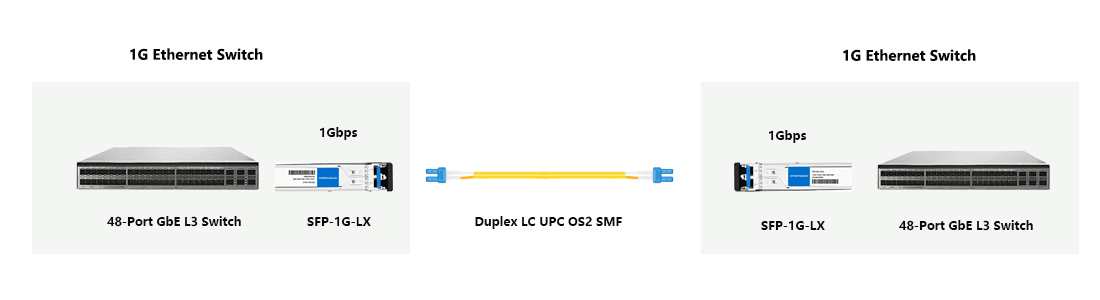
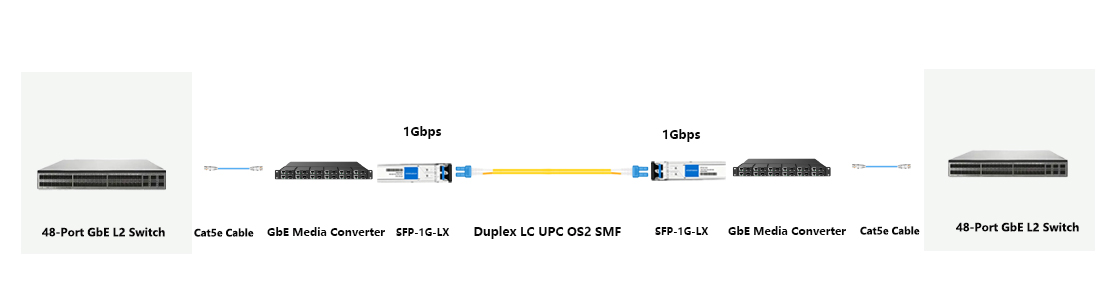
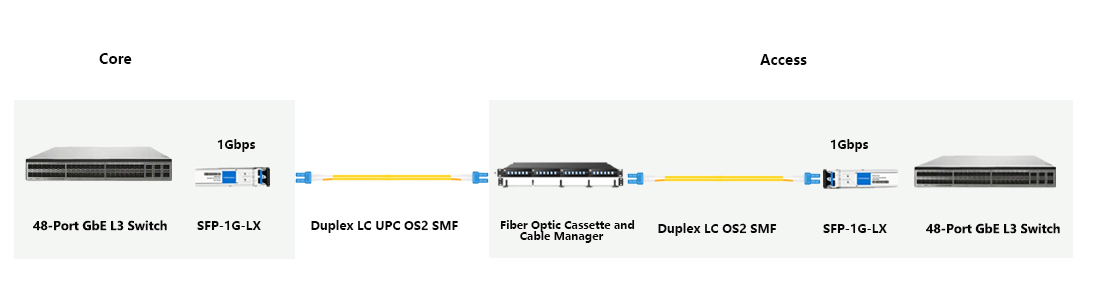
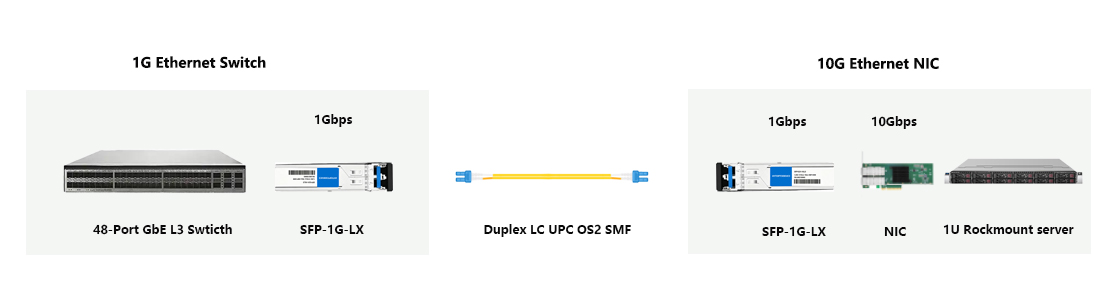
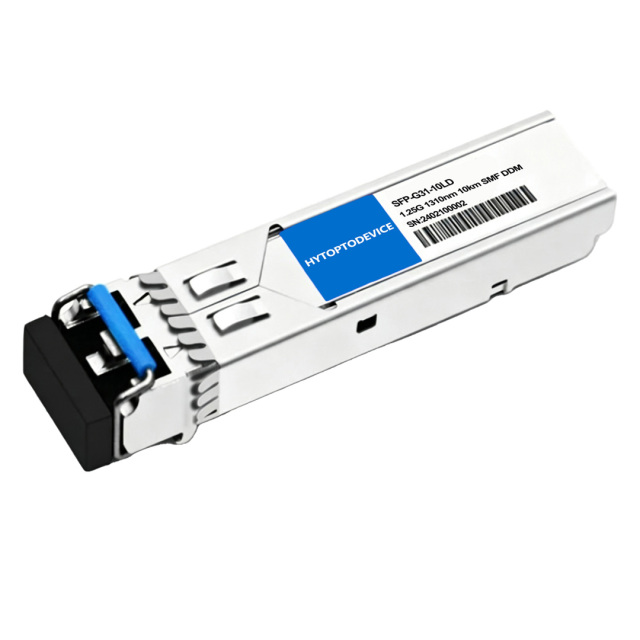
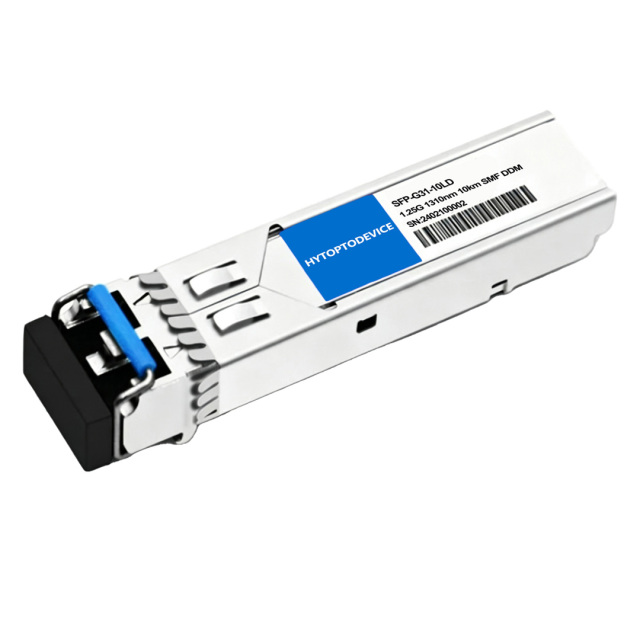
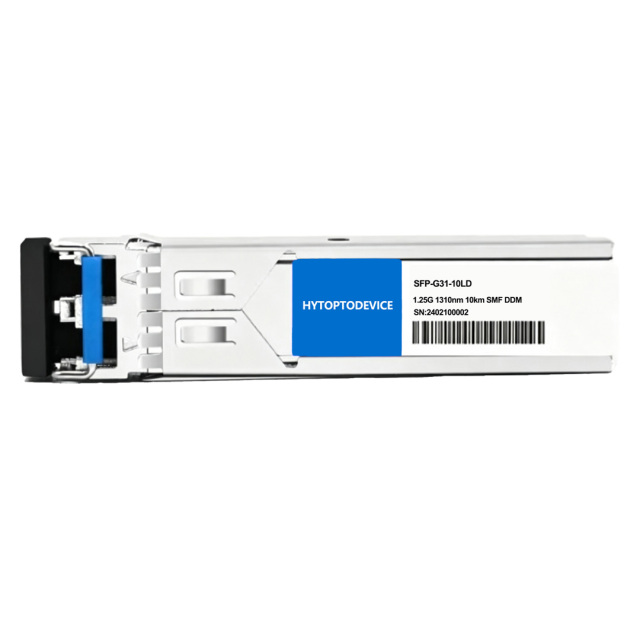
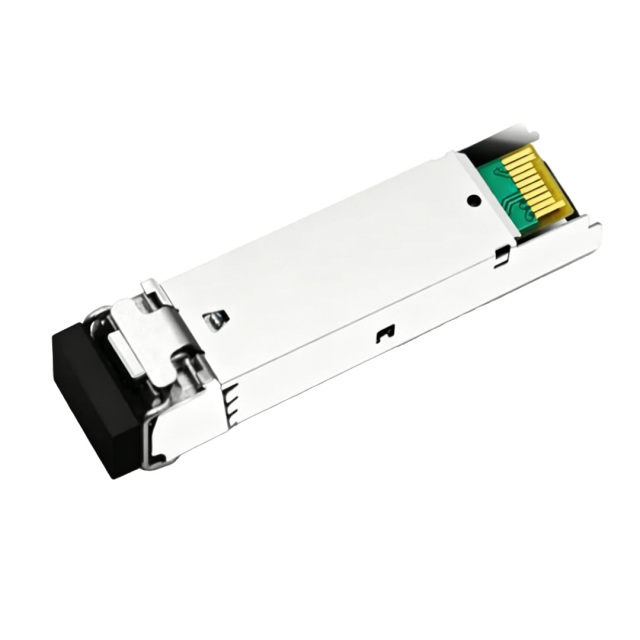
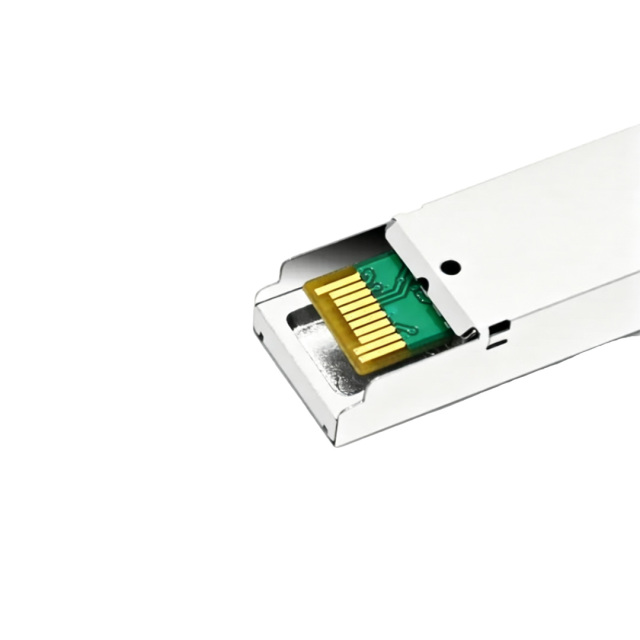
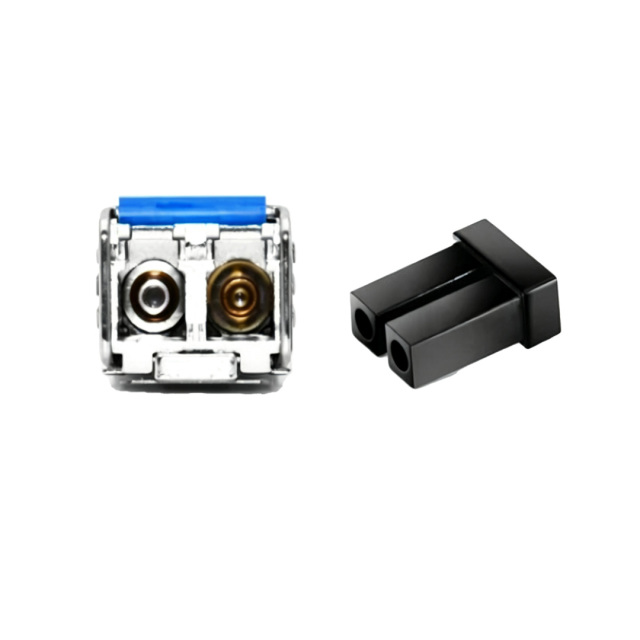
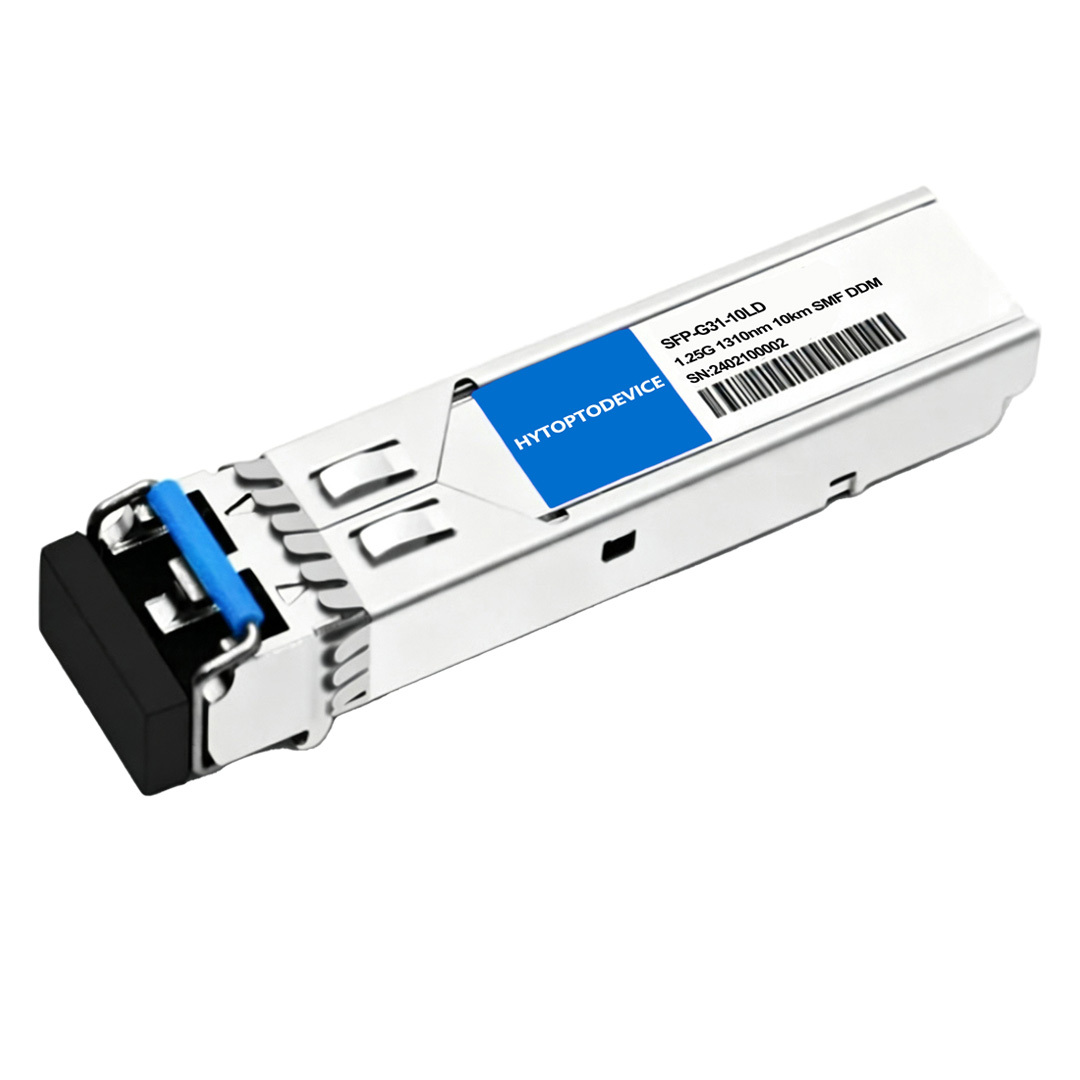
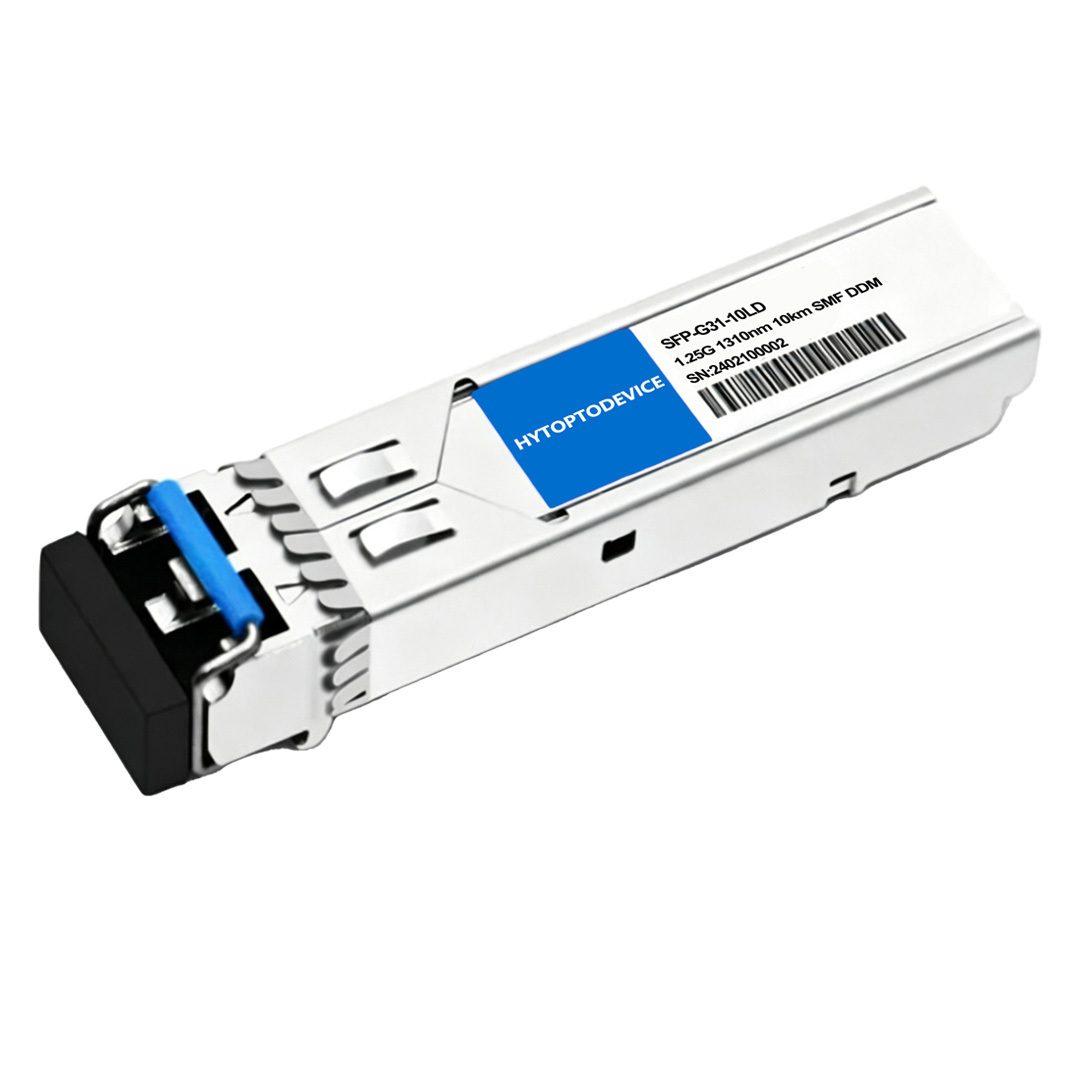
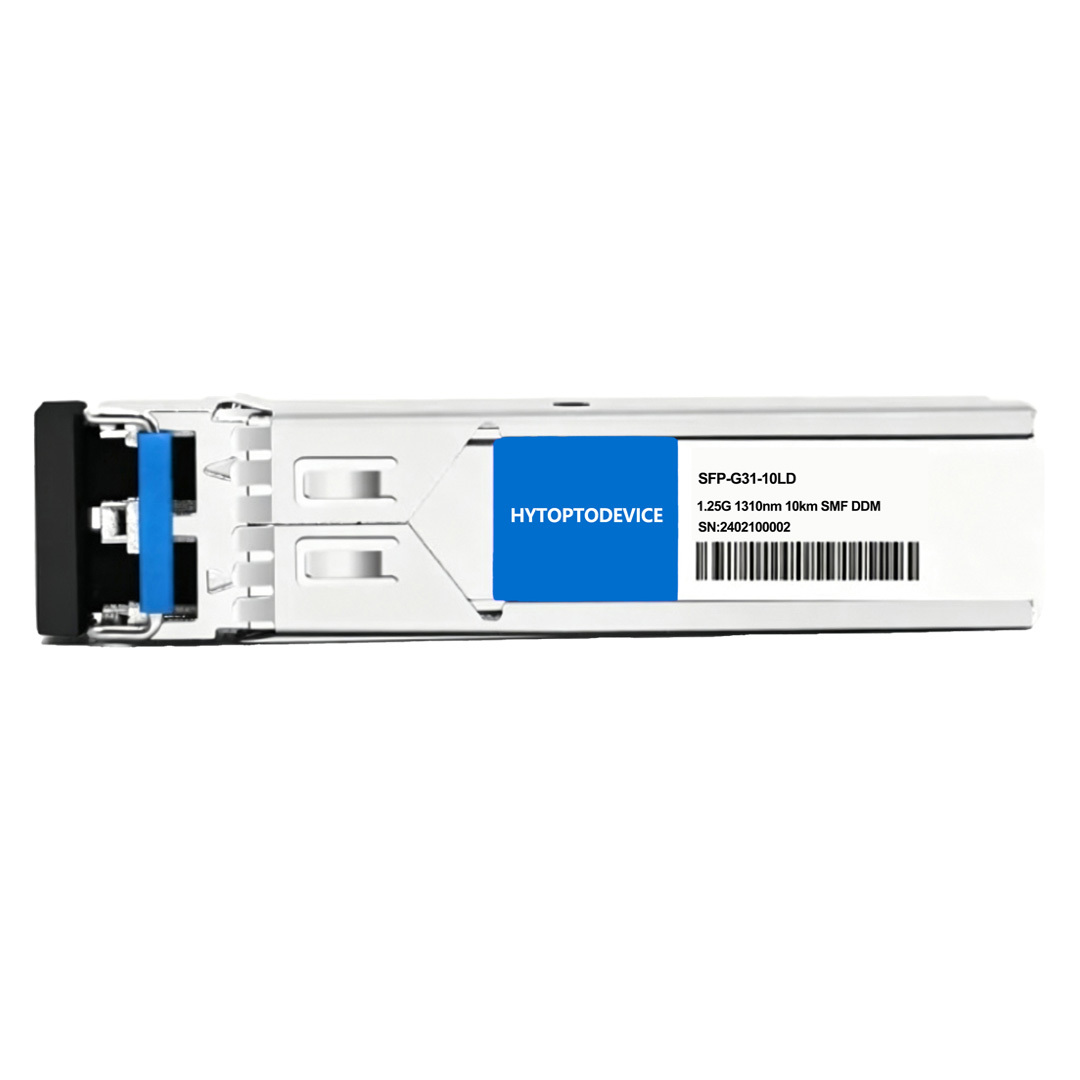
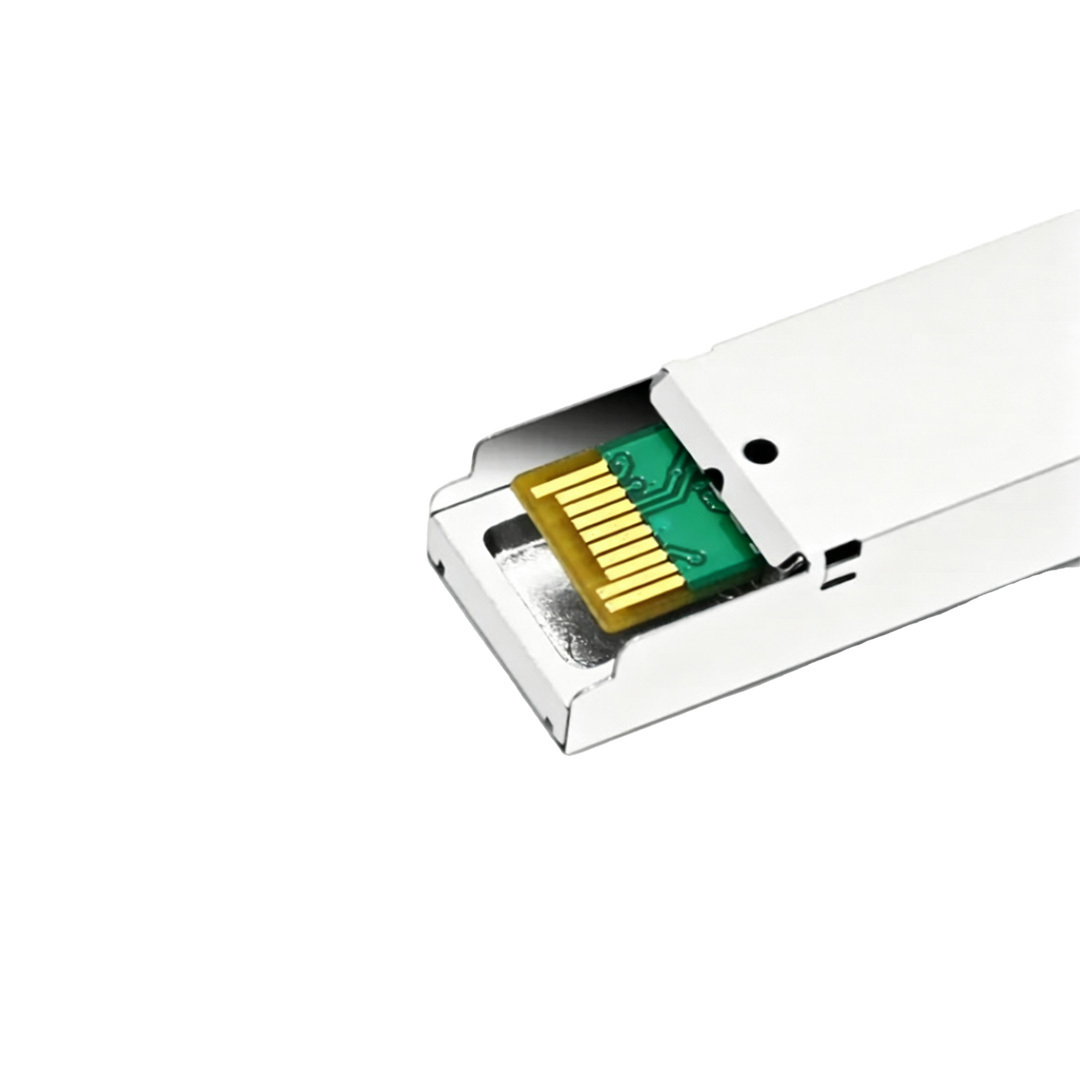
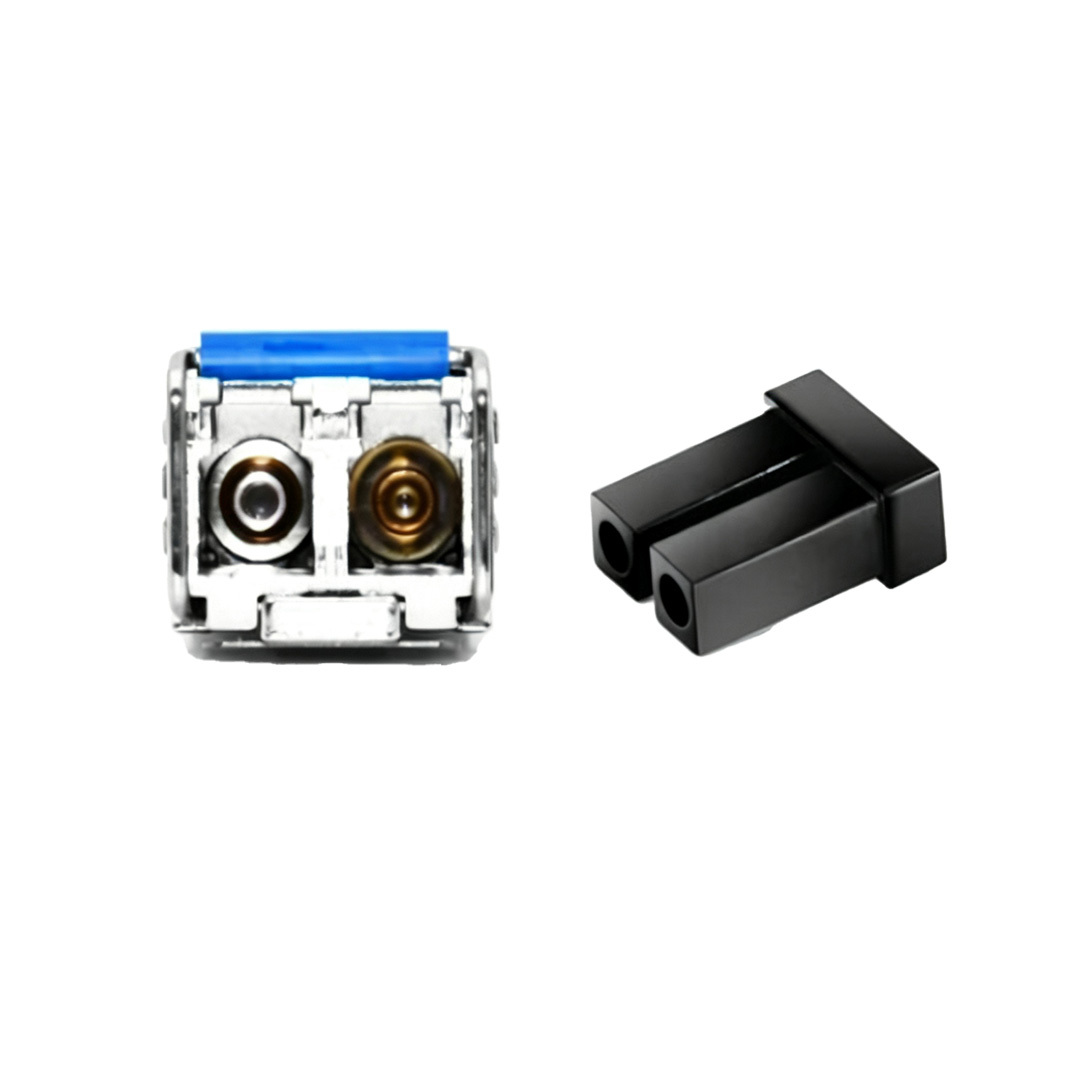
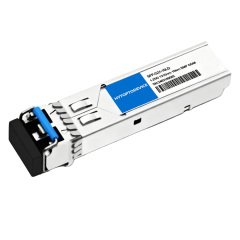
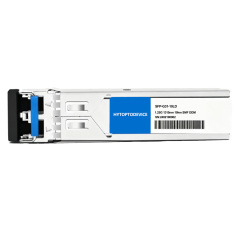
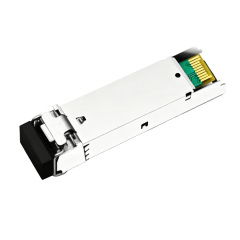
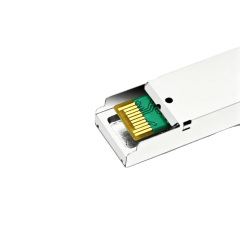
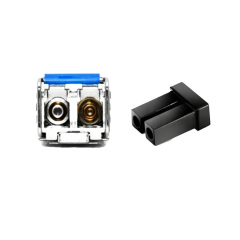
HYTOPTODEVICE 1000BASE-LX transceiver module delivers full pin-to-pin compatibility with Allied Telesis AT-SPLX10, solving common third-party transceiver authentication errors and system alarms. Compliant with IEEE 802.3z and SFP MSA standards, it provides stable 1.25Gbps single-mode transmission for Allied Telesis network equipment.
Pre-flashed with dedicated Allied Telesis adaptive firmware, this plug-and-play transceiver module passes official device verification without extra configuration. It eliminates link dropout and DDM display anomalies for zero-alarm out-of-box operation.
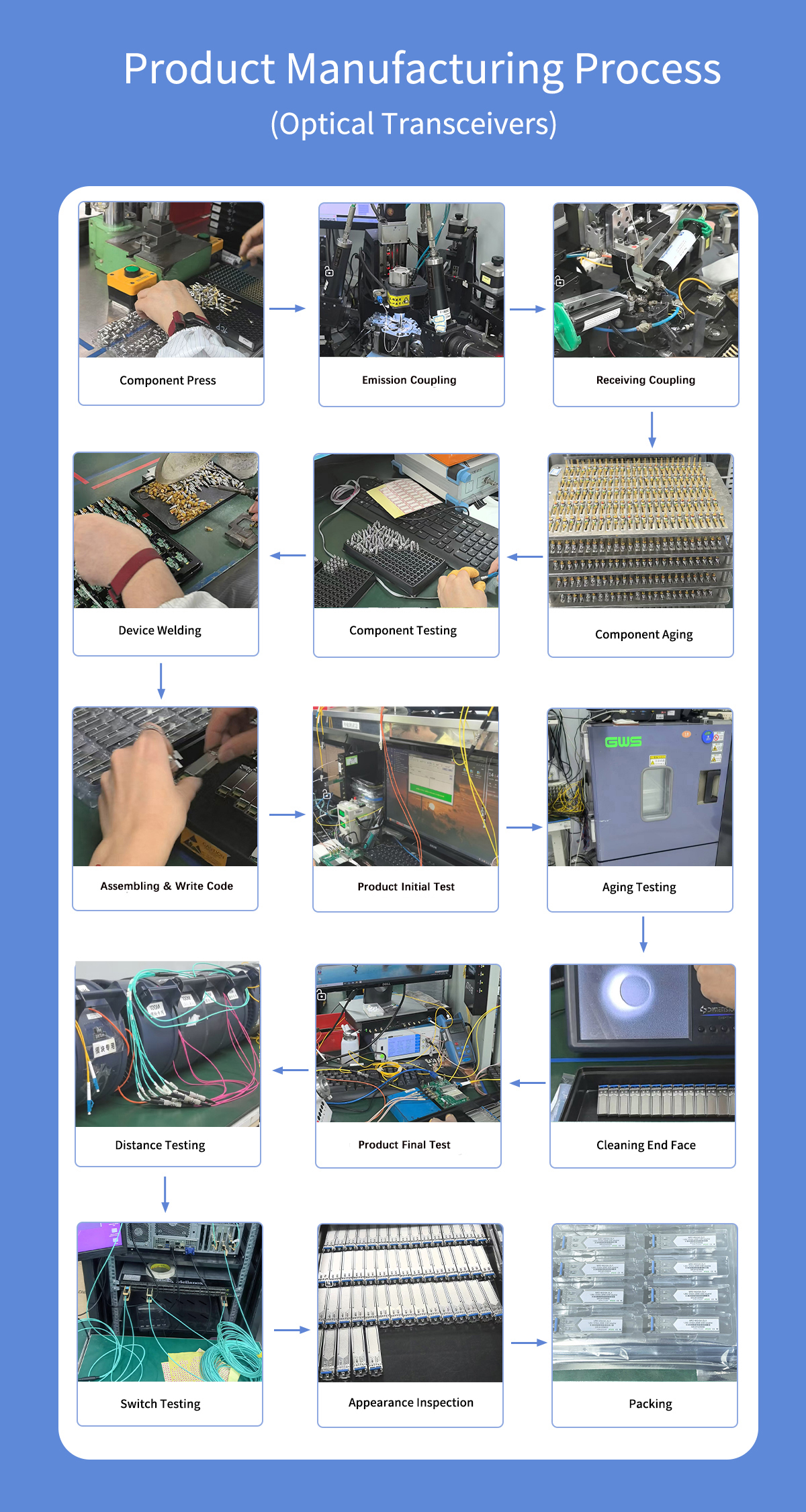
Equipped with high-precision 1310nm FP laser, this transceiver module supports error-free 10KM transmission over G.652 single-mode fiber. Every unit undergoes strict aging and Allied Telesis compatibility tests for reliable bulk deployment.
Key Technical Specifications
Q1: Why choose 1000BASE-LX transceiver module for Allied Telesis networks? A: HYTOPTODEVICE 1000BASE-LX transceiver module features 1310nm low-attenuation design, supporting stable 10KM long-distance links, perfectly matching Allied Telesis enterprise campus networking needs.
Q2: How to fix Allied Telesis unrecognized third-party transceiver module errors? A: Generic modules fail official vendor verification. HYTOPTODEVICE pre-writes exclusive Allied Telesis-adaptive EEPROM firmware for zero-alarm recognition and stable operation.
Q3: What is the stable transmission range of this AT-SPLX10 compatible module? A: With standard G.652 single-mode fiber, HYTOPTODEVICE transceiver module delivers error-free 10KM transmission; longer distances trigger unstable optical power and link flapping.
Q4: Can this Allied Telesis LX module work on multimode fiber? A: Not supported. This single-mode transceiver module suffers modal dispersion on multimode fiber. HYTOPTODEVICE recommends standard SMF for steady performance.
Q5: Can 10KM LX module pair with 20KM/40KM long-haul modules? A: Not recommended. Mismatched optical parameters between different-grade transceiver module cause persistent packet loss and link instability.
Q6: Do short single-mode links need an optical attenuator? A: No. HYTOPTODEVICE calibrates each transceiver module’s optical power to avoid signal saturation on ultra-short fiber runs without extra accessories.
Q7: What causes low RX power alarms on Allied Telesis LX links? A: Dirty fiber faces, aging cables and high attenuation are main causes. HYTOPTODEVICE transceiver module supports DDM monitoring for fast troubleshooting.
Q8: Why adopt LC UPC interface for this gigabit transceiver module? A: Duplex LC UPC features low insertion loss and universal compatibility. HYTOPTODEVICE uses this standard interface to match all mainstream fiber cords and Allied Telesis ports.
Q9: How does reversed fiber polarity affect module operation? A: Reversed TXRX polarity blocks signal transmission and disables ports. Standard crossover wiring ensures normal operation of HYTOPTODEVICE transceiver module.
Q10: What benefits does hot-swappable transceiver module bring? A: HYTOPTODEVICE hot-swappable transceiver module supports online replacement, reducing network downtime and simplifying daily maintenance.
Q11: Why is high MTBF important for bulk deployment? A: High MTBF means ultra-low failure rate. All HYTOPTODEVICE transceiver module pass strict aging tests, ideal for large-scale Allied Telesis network deployment.
Q12: What cost advantages do HYTOPTODEVICE compatible modules have? A: HYTOPTODEVICE transceiver module matches original AT-SPLX10 compatibility and performance at lower cost, optimizing bulk procurement and upgrade budgets.
Q13: What environment fits commercial-grade transceiver module? A: HYTOPTODEVICE commercial-grade transceiver module runs stably at 0℃-70℃ indoor environments; extreme temperature and humidity accelerate module aging and faults.
Q14: Is the 1310nm laser of HYTOPTODEVICE module safe? A: Yes. The 1310nm FP laser of HYTOPTODEVICE LX transceiver module meets international safety standards with no radiation risks for enterprise networking.
Q15: Can this 1.25G module auto-negotiate to 100Mbps? A: Yes. HYTOPTODEVICE gigabit transceiver module supports speed auto-negotiation, stably adapting to 100M/1000M mixed-rate Allied Telesis network environments.
Why Network Engineers Choose HYTOPTODEVICE
HYTOPTODEVICE has supplied over 5000,000 optical transceiver modules to data centers, ISPs, and enterprise networks across 100+ countries since 2011. Every module undergoes a 72-hour burn-in test and full DDM/DOM validation before shipment.