| NO. | Brand | Compatible P/N | Transceiver Type |
| 1 | Alcatel-Lucent | SFP-10G-SR | |
| 2 | Cisco Meraki | MA-SFP-10GB-SR | |
| 3 | D-Link | DEM-431XT | |
| 4 | Dell | GP-10GSFP-1S | |
| 5 | Juniper | SRX-SFP-10GE-SR | |
| 6 | H3C | SFP-XG-SX-MM850-A | |
| 7 | IBM | 46C3447 | |
| 8 | EdgeCore | ET5402-SR |
|
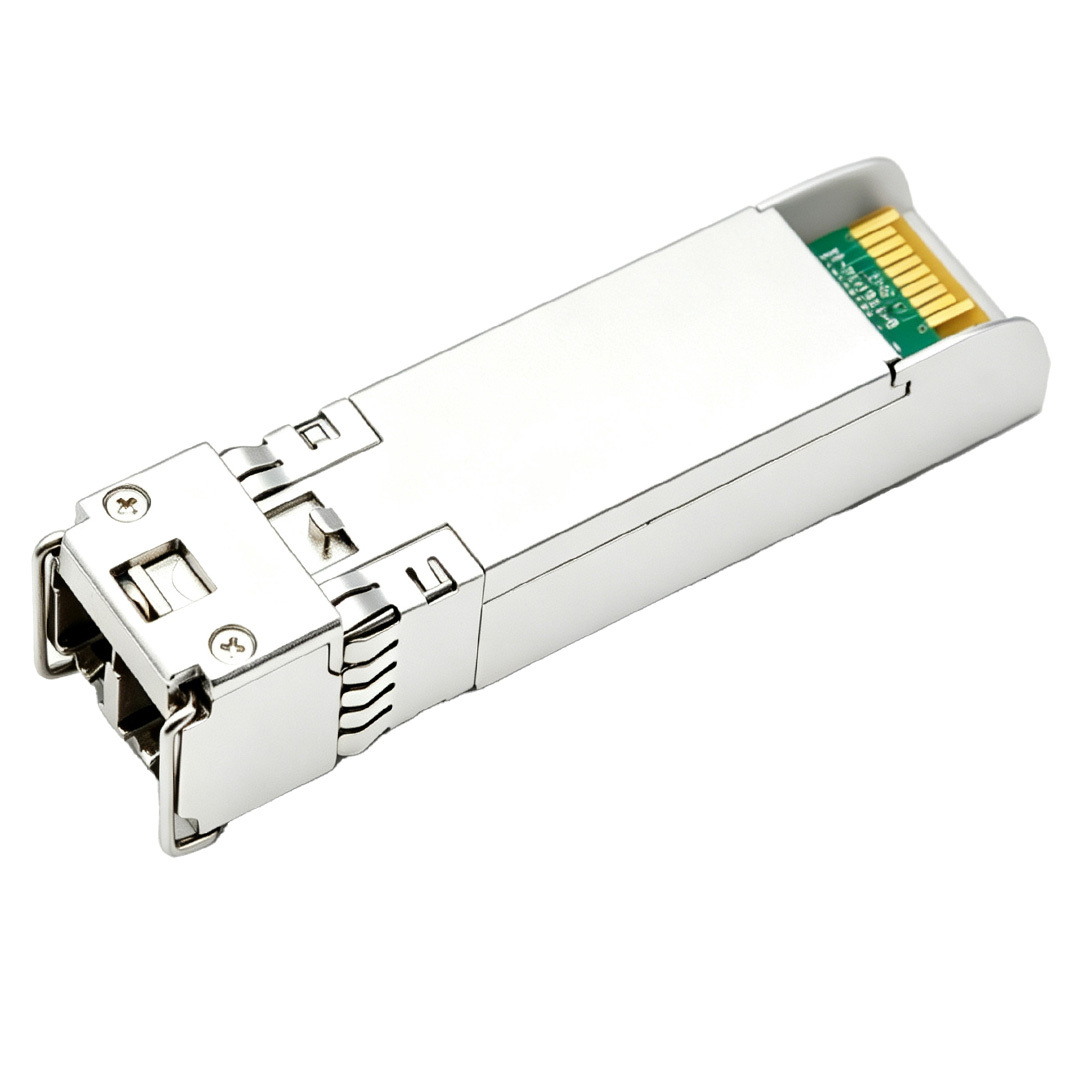
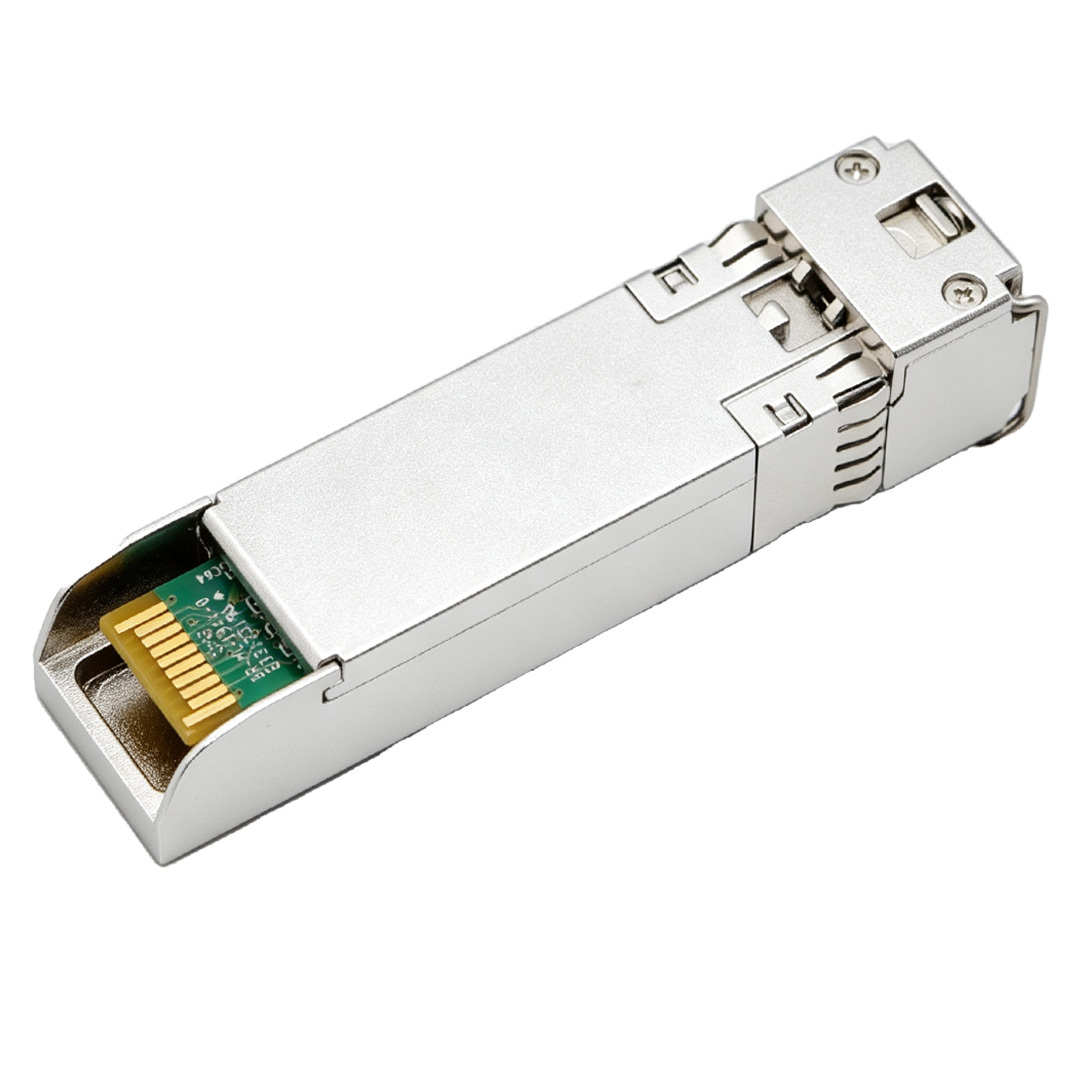
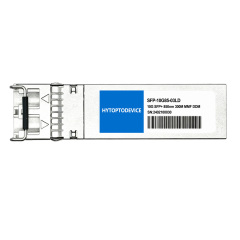
Alcatel-Lucent Compatible |
SFP-10G-SR |
Vendor Name |
HYTOPTODEVICE |
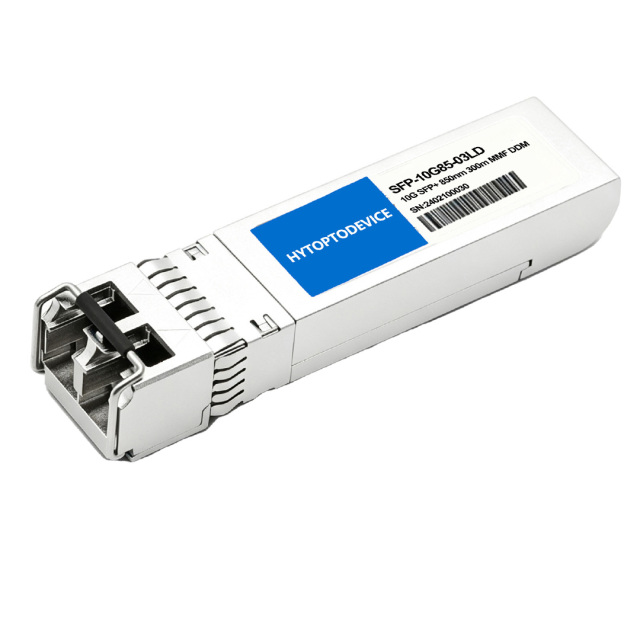
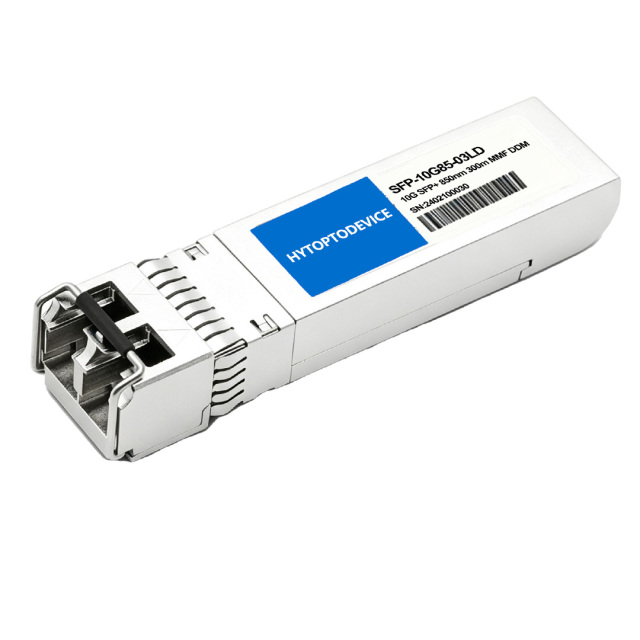
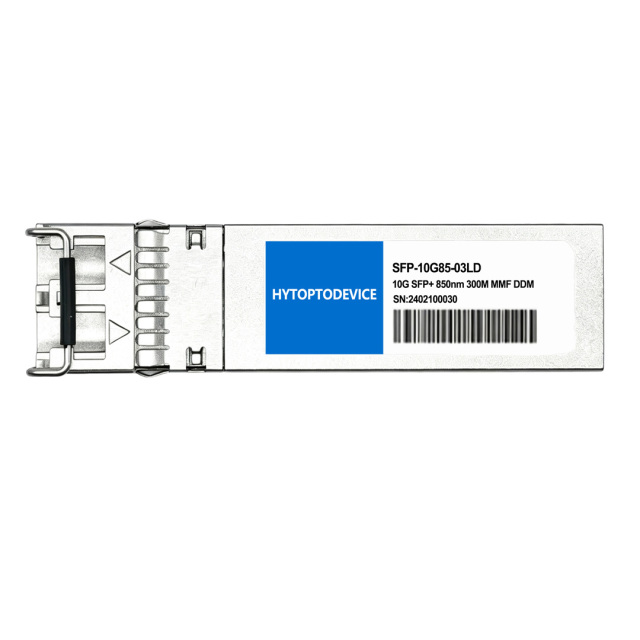
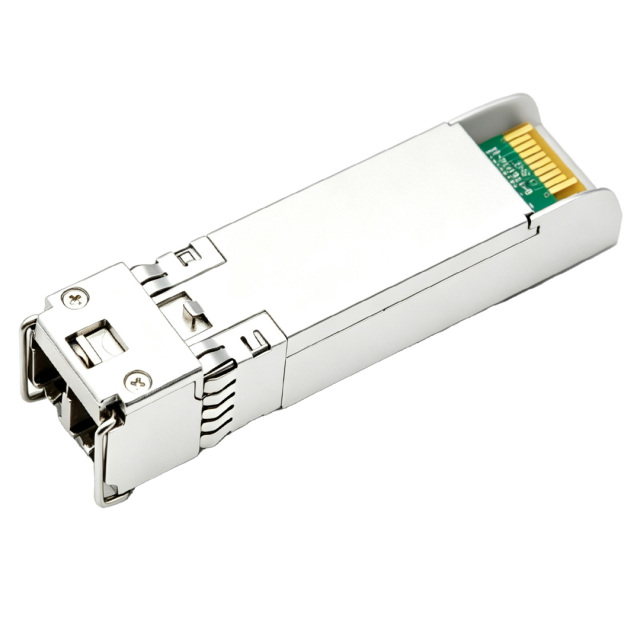
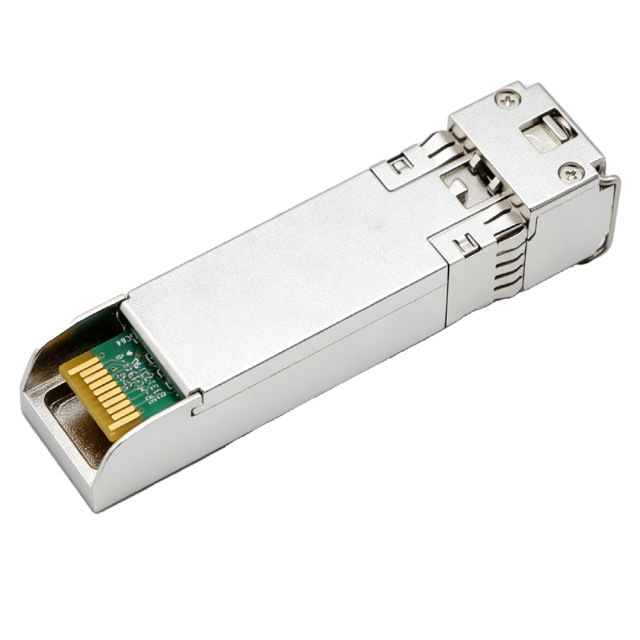
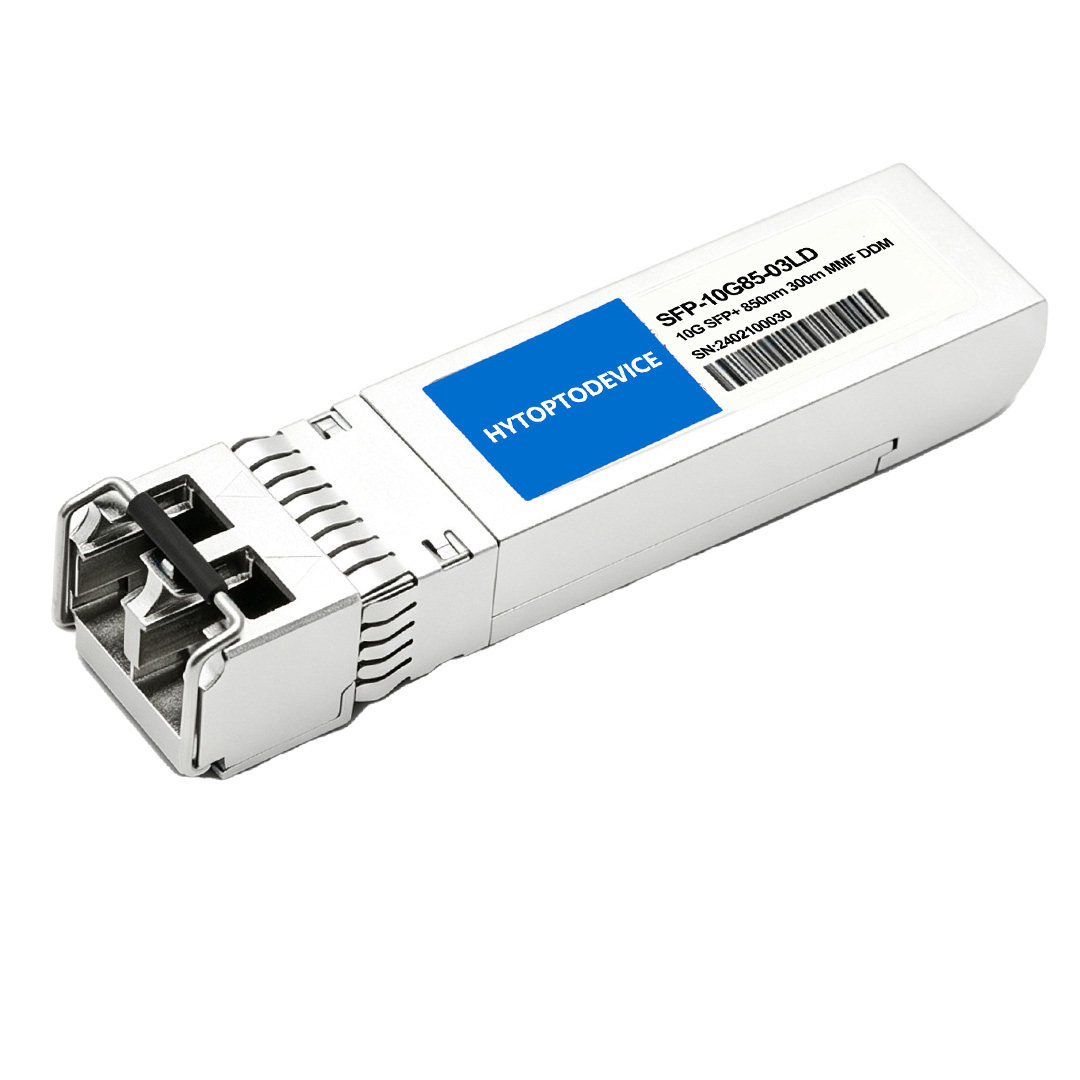
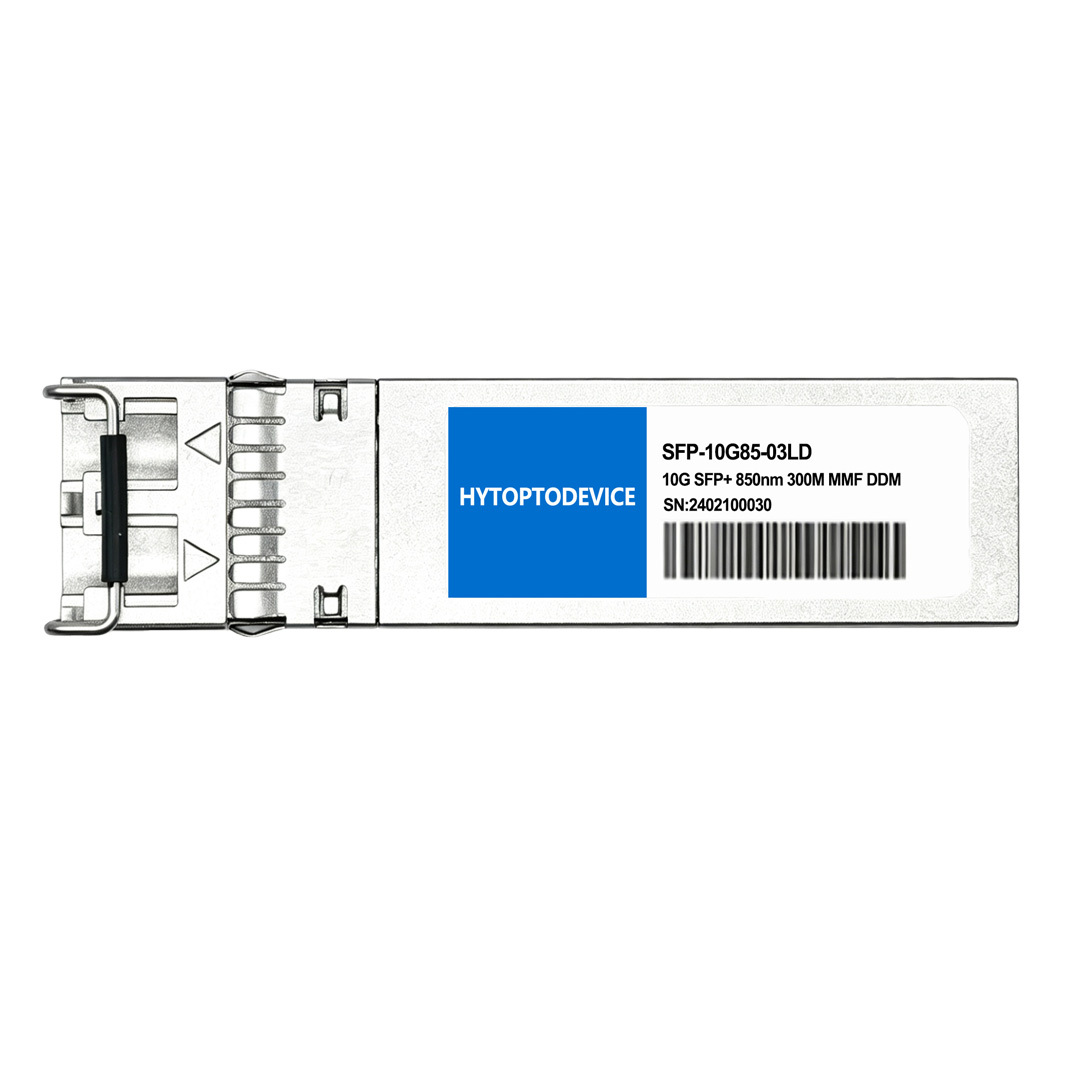
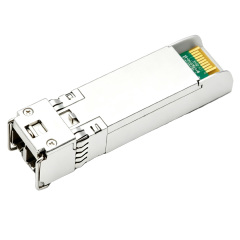
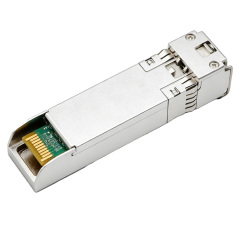
| Form Factor | SFP+ | Max Data Rate | 10.7Gbps |
| Wavelength | 850nm | Max Distance | 300m on OM3 |
| Connector | Duplex LC | Transmitter Type | VCSEL 850nm |
| Cable Type | MMF | Receiver Type | PIN |
| TX Power | -6.5~-0.5dBm | Receiver Sensitivity | < -10.5dBm |
| Power Consumption | ≤1W | Operation Temperature | 0 to 70°C (32 to 158°F) |
Usage Guidelines & Best Practices
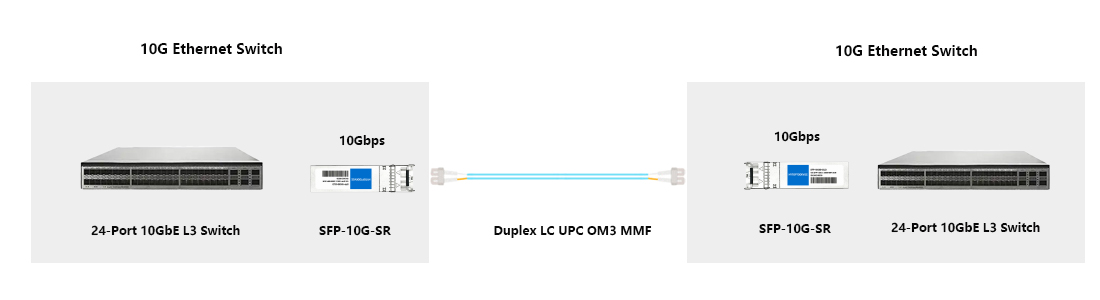
Fiber Choice: Duplex LC Multimode Fiber (MMF) — OM3 / OM4 (50/125 µm). Do NOT use SMF.
Connector Match: UPC/PC polish only. Do NOT use APC.
Cleanliness & Dust: Keep dust caps on whenever unattached. Clean fiber end-faces with a optical cleaning pen before insertion; dust causes over 80% of optical link failures.
Link Setup:Set speed to 10Gbps Full Duplex. Lock speed manually if auto-negotiation fails.
Handling: Wear ESD protection. Keep fiber bend radius ≥ 30 mm.
Installation & Hot-Swap Rules: MSA hot-swappable. Insert/remove gently without powering down.
Environment: Commercial temperature (0°C to 70°C). Avoid extreme heat, moisture, and dust.
Full Compatibility List and Supported Devices
1. Supported Hardware & Firmware
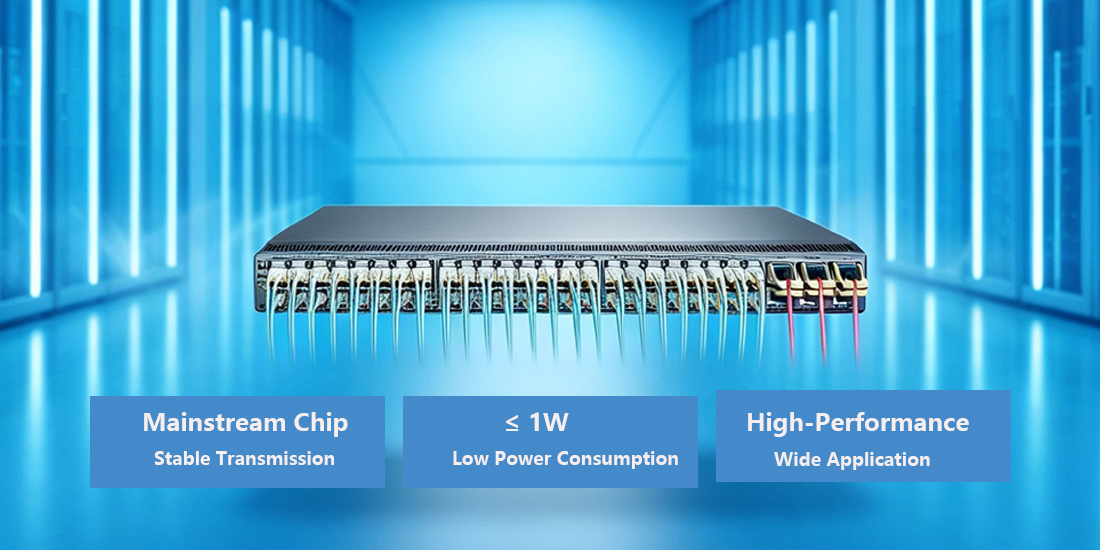
Main Application Scenarios
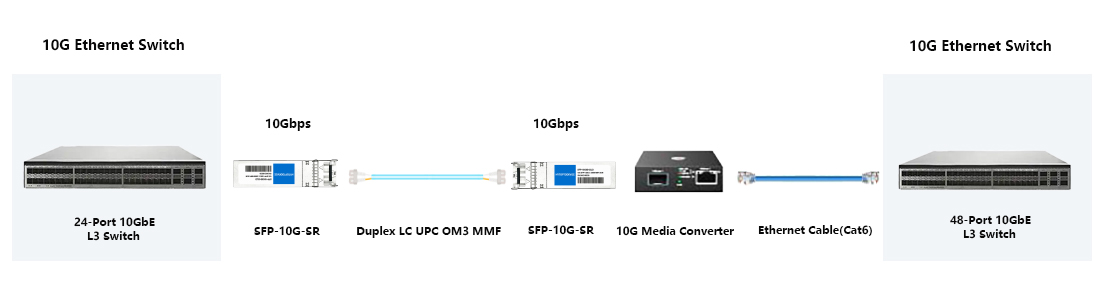
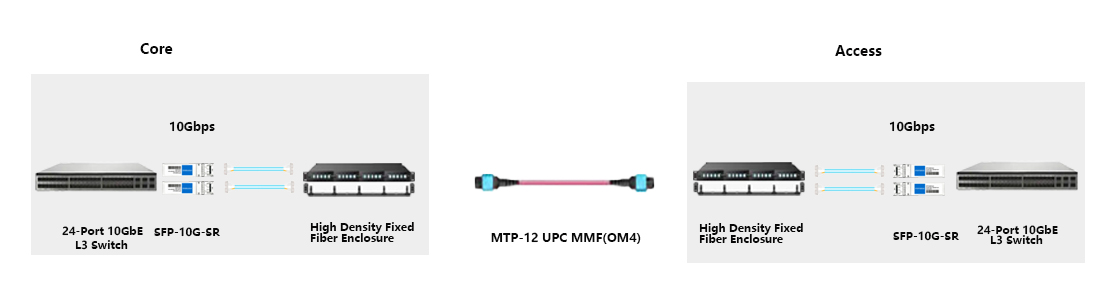
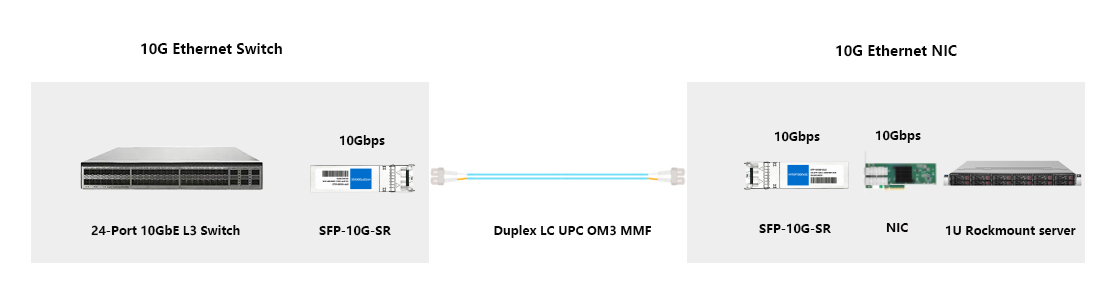
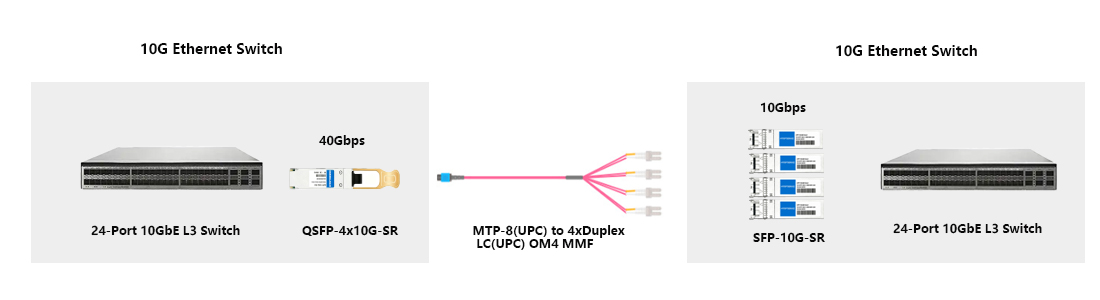



FAQ
Q1: Will this SFP‑10G‑SR module work with my specific switch brand (e.g., Cisco, Arista, Juniper, Dell)? A: This SFP+ 10G SR module follows universal SFP+ MSA specification and works across mainstream switch hardware. For Alcatel‑Lucent OmniSwitch platforms, custom‑programmed EEPROM ensures zero‑alarm operation. For Cisco, Arista, Juniper or Dell devices, confirm switch firmware allows third‑party optics; some vendors enforce optical‑lock restrictions. Submit your exact switch model for pre‑sales verification before bulk SFP+ 10G SR module procurement.
Q2: Will third‑party or generic SFP‑10G‑SR modules void my equipment warranty? A: In most regions, using qualified third‑party SFP‑10G‑SR optics will not automatically void hardware warranty. Certain network vendors may limit warranty coverage if hardware damage can be traced directly to faulty third‑party transceivers. Our HYTOPTODEVICE modules undergo full‑stress factory testing to reduce failure risk; keep module test records for enterprise audit when purchasing bulk SFP‑10G‑SR replacement optics.
Q3: Will this module work in Network Interface Cards (NICs) like Intel or Broadcom? A: Yes. This Alcatel‑Lucent compatible SFP‑10G‑SR adheres to SFP+ MSA mechanical and electrical standards, compatible with most Intel X520/X710 and Broadcom NetXtreme SFP+ NIC adapters. Note that some server NIC firmware locks against non‑original branded optics; select our generic‑profile variant and validate NIC firmware version ahead of large‑scale server‑NIC SFP‑10G‑SR deployment.
Q4: How far can SFP‑10G‑SR reach using legacy OM1 or OM2 fiber? A: Transmission performance drops sharply on older multimode cable. OM1 fiber delivers roughly 33 m reach, OM2 reaches approximately 82 m under 10GBASE‑SR standard. These distances are insufficient for most enterprise‑campus links. For full‑rated 300‑400 m performance, deploy OM3 or OM4 multimode fiber when ordering wholesale SFP‑10G‑SR optical modules.
Q5: What optical connector interface does the SFP‑10G‑SR use? A: The Alcatel‑Lucent compatible SFP‑10G‑SR adopts duplex LC‑UPC connector interface. LC‑UPC is widely deployed within enterprise‑campus and data‑center multimode‑fiber infrastructures. Avoid APC‑angled‑end‑face patch cords; APC connectors introduce extra return‑loss and trigger higher bit‑error rates when paired with UPC‑calibrated SFP‑10G‑SR transceiver hardware.
Q6: Can I break out a 40G QSFP+ SR4 port to four 10G SFP‑10G‑SR modules? A: Yes, this breakout application is supported with correct hardware and configuration. Deploy a passive 40G‑to‑4×10G SR4 breakout cable; each individual lane connects to one SFP‑10G‑SR multimode transceiver. Remember to enable QSFP+ breakout mode inside your switch CLI. Misconfigured port modes result in total link loss during mixed‑speed fabric builds using SFP‑10G‑SR breakout connections.
Q7: What latency should I expect from an SFP‑10G‑SR connection? A: Transceiver‑induced latency remains very low. Typical per‑module optical latency sits around 10‑30 nanoseconds. End‑to‑end link latency is mainly determined by switch ASIC processing plus fiber propagation delay. SFP‑10G‑SR multimode optics add minimal overhead, making them suitable for low‑latency enterprise‑campus and virtualization workloads. Conduct real‑environment latency testing for ultra‑low‑latency production‑grade SFP‑10G‑SR links.
Q8: How does heat output compare between SFP‑10G‑SR and 10G copper RJ45 optics? A: SFP‑10G‑SR multimode optical modules produce far less thermal load. Max power consumption ≤1.0W per unit, while 10GBASE‑T copper SFP+ modules consume 2.5‑4W each. Mass deployment of copper transceivers raises cabinet PUE and increases cooling pressure. For high‑density 48‑port enterprise racks, choose SFP‑10G‑SR to ease thermal management during large‑volume optical‑module roll‑out.
Q9: Does SFP‑10G‑SR support FEC (Forward Error Correction)? A: No, hardware‑embedded FEC is not implemented on the SFP‑10G‑SR transceiver. The IEEE 10GBASE‑SR standard does not define on‑module forward‑error‑correction functions. If error correction is required for your network fabric, enable FEC on your switch ASIC level. Maintain link‑loss within optical‑budget range to keep BER ≤1×10⁻¹²; never rely on missing transceiver‑FEC to compensate excessive fiber attenuation for SFP‑10G‑SR links.
Q10: Does SFP‑10G‑SR support hot‑swapping? A: Yes. Compliant with SFP+ MSA hot‑plug specification. You can insert or remove SFP‑10G‑SR modules without power‑cycling connected OmniSwitch or server‑NIC hardware. During enterprise‑production‑hours, avoid frequent hot‑swap operations amid heavy‑traffic bursts; brief link interruption occurs at module replacement. Schedule maintenance windows for mass SFP‑10G‑SR hot‑swap activities.
Q11: What is the average lifespan (MTBF) of an SFP‑10G‑SR module? A: HYTOPTODEVICE Alcatel‑Lucent compatible SFP‑10G‑SR delivers calculated MTBF over 1,000,000 hours under recommended commercial‑grade operating conditions (0‑70℃, clean cabinet environment). Real‑world service life is affected by cabinet temperature, dust pollution, vibration and frequent hot‑swap cycles. For long‑term enterprise‑campus deployments, keep proper rack ventilation to maximize SFP‑10G‑SR service lifetime.
Q12: Does the transceiver comply with MSA (Multi‑Source Agreement) standards? A: Yes. Our SFP‑10G‑SR fully complies with SFP+ MSA hardware specification together with SFF‑8472 DDM monitoring standard. MSA compliance guarantees mechanical dimension, electrical signal and DOM‑monitoring compatibility with MSA‑compliant host‑equipment. Even with customized Alcatel‑Lucent‑specific EEPROM profile, underlying hardware still follows official SFP+ MSA requirements for third‑party SFP‑10G‑SR replacements.
Q13: How do dust and dirt affect SFP‑10G‑SR performance? A: Dust and contamination on LC‑UPC end‑faces are top causes of unstable SFP‑10G‑SR links. Dirty connector surfaces trigger increased insertion‑loss, random packet loss and intermittent link‑flapping even if basic link‑up status shows okay. Always clean patch‑cord and module LC ports before installation. Include optical‑connector cleaning as regular maintenance step for long‑running SFP‑10G‑SR enterprise‑campus networks.
Q14: Are all generic SFP‑10G‑SR optics built with the same internal components? A: No. Generic‑label SFP‑10G‑SR transceivers vary greatly on laser‑diode, receiver‑PIN chip and component screening standards. Low‑cost alternatives may adopt un‑screened chips, bringing higher bit‑error risk and shortened service life. HYTOPTODEVICE SFP‑10G‑SR uses qualified grade‑A VCSEL‑PIN components and passes multi‑step aging‑testing, ideal for reliable bulk‑order third‑party SFP‑10G‑SR procurement.
Q15: Is it safe to look directly into the optical port of an active SFP‑10G‑SR? A: No. SFP‑10G‑SR belongs to Class 1 laser product; avoid direct eye exposure toward active optical ports. Even though 850 nm VCSEL laser is invisible to human eyes, long‑time direct viewing may cause eye injury. Never stare into module or patch‑cord fiber ends while SFP‑10G‑SR transceiver is powered‑on inside live enterprise‑network hardware.
Packaging & Custom OEM Solutions
Every 10G SFP+ module comes individually sealed in standard anti-static (ESD-safe) packaging, pre-stocked and ready for immediate shipment. For bulk orders, we offer custom OEM packaging—including logo printing and private labeling—tailored for network distributors, system integrators, and enterprise deployments.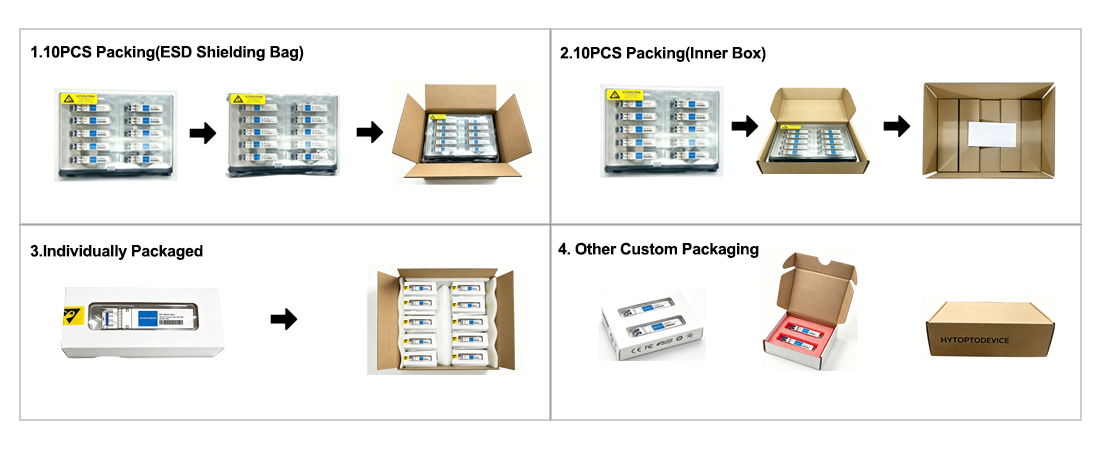
Why Network Engineers Choose HYTOPTODEVICE
HYTOPTODEVICE has supplied over 5000,000 optical transceiver modules to data centers, ISPs, and enterprise networks across 100+ countries since 2011. Every module undergoes a 72-hour burn-in test and full DDM/DOM validation before shipment.
“Phenomenal performance. We deployed 200 HYTOPTODEVICE SFP+ modules to replace Cisco OEMs in our backbone network. Result? Zero compatibility issues and a 60% reduction in costs. Highly recommended for mission-critical networks."— Senior Network Engineer, Regional Telecom, Australia
Quality Certification & Compliance
At HYTOPTODEVICE, our quality commitment is backed by industry-standard validations. From fiber optical transceiver manufacturing to final visual inspection, from IQC、IPQC、FQC to OQC, our processes ensure global compliance and reliability.
We adhere to rigorous standards for our SFP modules and network solutions:
ISO 9001: Certified quality management and production consistency.
CE & FCC: Fully compliant for seamless Global Market Access.
RoHS: Committed to environmental responsibility and hazardous material control.
Proven Reliability: Rigorous testing to reduce compliance risk and ensure safety.
Certified Quality. Global Standards. Guaranteed Performance.